
Unilin vs. Valinge: Which Is Better for Click Lock Strand Woven Bamboo
Sep 23, 2026, 8:30 AM
Strand woven bamboo flooring has built a strong reputation for durability, density, and visual appeal. Its manufacturing process compresses bamboo fibers under intense pressure, producing a material tougher than many traditional hardwoods. As this type of flooring becomes more common in homes and commercial spaces, the locking system that holds each plank together has become just as important as the flooring material itself. Among the most trusted locking mechanisms used for strand woven bamboo are Unilin Click Lock and Valinge Click Lock. Although both systems aim to simplify installation and enhance stability, each comes with structural differences that can affect performance depending on the environment and installation needs.
This comparison explores the technical characteristics, real-world benefits, and typical use cases of the two locking mechanisms to help clarify which one aligns more comfortably with strand woven bamboo’s unique traits. Along the way, practical details about installation, gap resistance, moisture behavior, and long-term wear are included to give a full picture of how these systems perform in day-to-day use.
Understanding Click Lock Systems in Bamboo Flooring
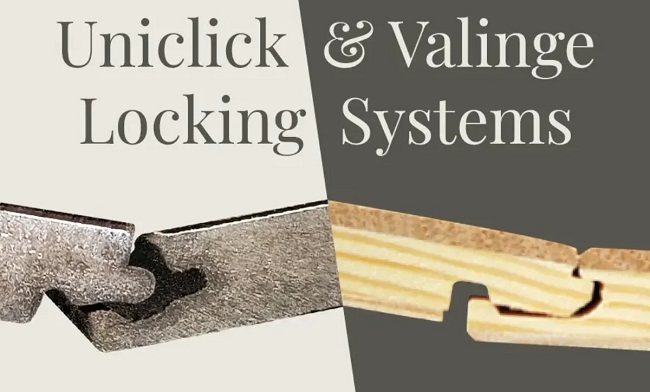
Click lock flooring has become the standard for floating installations, especially for dense materials like strand woven bamboo. The system works by using profiled edges that snap or angle into place, forming a tight mechanical connection without adhesives. These profiles must be precisely milled, particularly for bamboo, which is less forgiving than softer woods.
The locking mechanism affects:
- how easily the planks connect
- how securely they stay together under foot traffic
- how effectively the floor resists gaps or separation
- how well the floor performs with seasonal humidity changes
Both Unilin and Valinge have engineered long-standing solutions that manufacturers license for use on bamboo and other flooring products. Each uses different joint geometries and installation motions, and those differences influence handling and long-term stability.
What Makes Strand Woven Bamboo Different?
Before comparing the locking systems, it helps to review why the material itself matters. Strand woven bamboo has a Janka hardness rating often above 4,000, far exceeding many hardwood species. Its density is impressive, but it also limits flexibility. Because of this, bamboo planks rely heavily on a strong, consistent locking system. Any weakness in the click mechanism becomes more noticeable than it would in a softer wood.
Important characteristics of strand woven bamboo include:
- High density, creating a rigid plank that requires precision-milled edges
- Heavy weight, increasing stress on the locking tabs
- Low tolerance for uneven subfloors
- Greater movement resistance, meaning less “give” during installation
This combination makes bamboo both durable and demanding. Material rigidity is one of the main reasons why manufacturers choose well-established locking technologies like Unilin or Valinge instead of creating proprietary alternatives.
Unilin Click Lock: Key Characteristics
Unilin’s click system is recognized for offering smooth, intuitive installation using a traditional angle-and-lower motion. The joint profile uses interlocking lips designed to slide securely into place. Many installers appreciate Unilin for its predictable engagement and relatively low risk of chipping during installation.
Typical strengths of Unilin for strand woven bamboo include:
- Consistent machining performance, making it easier to connect dense bamboo without forcing
- Solid lateral stability, helping the planks resist separation when the floor expands or contracts seasonally
- Installer familiarity, since Unilin systems have been used widely for many years
- Good resistance to vertical movement because of the way the locking lips interlock
Unilin profiles tend to offer slightly more flexibility during plank adjustments, which helps when working in tight spaces or around obstacles. For small rooms or DIY installation, this can be an advantage.
Valinge Click Lock: Key Characteristics
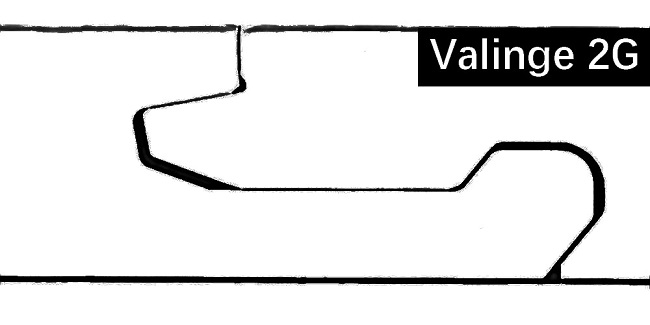
Valinge’s locking system introduced some of the earliest click-flooring designs, and it continues to evolve. Many bamboo products use Valinge 2G or 5G technology, depending on manufacturer preference. While 2G uses an angle-fold method similar to Unilin, the 5G version incorporates a fold-down mechanism with a small spring-loaded locking strip, allowing planks to snap into place with downward pressure.
Advantages of Valinge for strand woven bamboo include:
- Tight, rigid locking connection, particularly with 5G fold-down technology
- Fast installation because the short sides lock simply by pressing down
- Excellent gap resistance due to the automatic locking strip
- Reliable alignment, which helps keep long runs of planks straight
Installers often choose Valinge when speed and precise alignment are priorities. The locking strip reinforces the joint, which can be helpful for heavier materials like strand woven bamboo.
Side-by-Side Comparison for Strand Woven Bamboo
Both systems work well, but each has strengths that show up differently when applied to dense bamboo flooring.
Installation Handling
The installation experience varies slightly between the two systems. Unilin tends to feel more forgiving when connecting the planks at an angle, especially when dealing with the material's rigidity. Valinge 5G can speed up installation once you understand the technique, but the fold-down strip requires careful alignment, especially with bamboo’s weight.
- Unilin: Smooth angle engagement, good for DIY and tight spaces
- Valinge: Quicker once learned, but alignment must be precise
Joint Strength and Stability
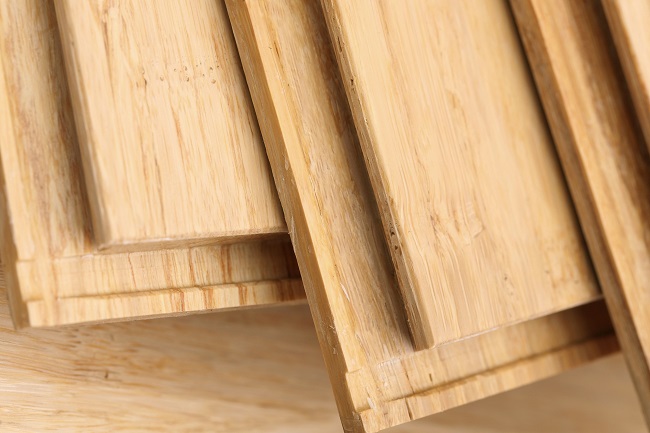
Valinge’s locking strip gives strong resistance to horizontal movement, which reduces the chance of planks shifting under heavy foot traffic. Unilin offers robust stability as well, but the mechanical strength of the Valinge strip can provide added reinforcement, especially across large areas.
- Unilin: Strong lateral stability, strong vertical lock
- Valinge: Exceptional horizontal lock with 5G, very firm connections
Gap Resistance Over Time
Seasonal humidity impacts all floating floors, but bamboo’s density can make movement more noticeable. Valinge’s locking strip helps maintain tight seams even when the floor experiences slight environmental shifts. Unilin performs very well too, yet the Valinge mechanism tends to hold edges slightly tighter in long-term use.
- Unilin: Very good gap resistance
- Valinge: Outstanding gap resistance, especially with 5G
Durability at the Locking Edges
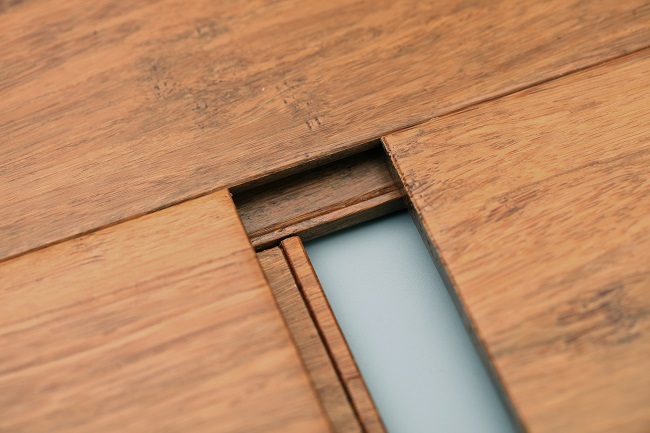
Because the material is so hard, locking edges can chip if forced. Unilin’s angled installation often means fewer downward impacts during connection, which reduces the risk of damage. Valinge’s fold-down systems require more direct downward pressure, so installers typically take extra care to avoid edge stress.
- Unilin: Slightly lower risk of accidental chipping during installation
- Valinge: Very strong once locked, but requires careful handling during assembly
Which System Suits Strand Woven Bamboo Better?
Both locking systems perform exceptionally well with strand woven bamboo, and many premium manufacturers use either one depending on production requirements. The better choice often depends on how the flooring will be installed and how the space is used.
If the installation will be handled by professionals familiar with Valinge 5G, its locking strength and gap resistance offer excellent long-term performance for high-traffic areas. If the installation will take place in smaller rooms, around many obstacles, or by a DIY user who prefers a more familiar angle-and-lower method, Unilin may feel more comfortable.
Another factor is the size of the project. Large spaces benefit strongly from the firm, consistent alignment offered by Valinge, especially if the flooring run extends through multiple rooms. In contrast, remodels or rooms requiring precise maneuvering often play into the strengths of the Unilin profile.
Additional Considerations for Optimal Performance
The locking system is important, but it is only one part of a successful bamboo floor installation. Subfloor preparation, acclimation, and moisture control all influence performance over time. Even the strongest locking profile cannot compensate for uneven subfloors or excessive humidity.
For best results, keep these points in mind:
- Acclimate the planks properly so they adjust to the room’s temperature and humidity
- Check subfloor flatness to prevent stress on the locking mechanism
- Use the recommended underlayment for your installation conditions
- Leave appropriate expansion gaps around all fixed objects
Manufacturers sometimes specify different tolerances or installation methods for Unilin or Valinge systems, so reviewing product documentation before installation is worthwhile.
Final Thoughts
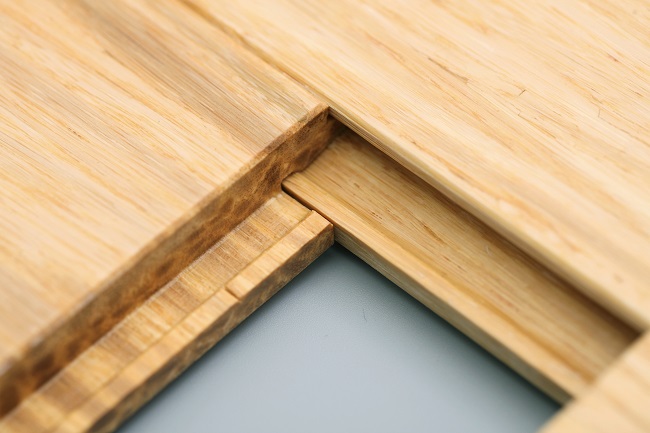
Selecting between Unilin and Valinge for strand woven bamboo generally comes down to installation preference and the long-term performance characteristics desired. Unilin offers a familiar connection style and slightly more forgiving installation, while Valinge delivers exceptional locking strength and tight seam retention. Both systems are proven options that pair well with the durability and stability of strand woven bamboo.
For homeowners, builders, or contractors, understanding the technical differences between these two systems helps ensure that the flooring performs as expected and maintains its polished appearance through years of use. With proper preparation, moisture control, and careful installation, either locking method can provide a dependable foundation for strand woven bamboo flooring.
 皖公网安备 34180202000049号