

Bamboo Veneer Sheets: The Most Versatile Material for Modern Carpentry
Sep 12, 2026, 11:30 AM
Bamboo veneer sheets have become one of the most adaptable and design-forward materials used across modern carpentry, cabinetry, furniture making, and interior architecture. Their combination of strength, renewable origins, distinct aesthetic appeal, and fabrication flexibility has positioned bamboo veneer as a preferred choice for both custom projects and large-scale production. Unlike traditional hardwood veneers, which rely on slow-growing tree species, bamboo veneer is created from rapidly renewable bamboo culms sliced into thin layers and bonded onto various substrates. This gives the material a unique blend of sustainability and practicality that appeals to both designers and builders.
Whether applied to plywood for cabinetry, MDF for wall panels, or furniture cores for dramatic visual accents, bamboo veneer maintains a consistent appearance while offering the freedom to create complex shapes and detailed craftsmanship. Its lightweight feel, smooth texture, and natural warmth give it an unmistakable presence in contemporary interiors. As carpentry continues to evolve with new design philosophies and functional demands, bamboo veneer sheets remain a reliable, versatile option that balances performance with style.
This detailed exploration focuses on why bamboo veneer sheets work so well across many carpentry applications, how they are manufactured, the advantages they provide, installation considerations, design options, and factors that influence long-term performance. The insights below offer a solid understanding of what makes this material so adaptable for modern projects.
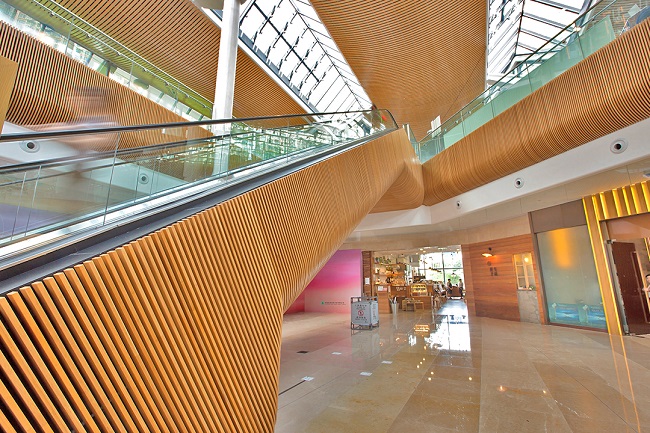
What Bamboo Veneer Sheets Are and How They Are Made
Bamboo veneer is produced by slicing thin layers of bamboo from pressed blocks or laminated bamboo boards. The veneer is then attached to substrates such as plywood, particleboard, MDF, or composite panels to create stable, lightweight, and visually appealing sheet goods. This process allows the beauty and texture of bamboo to be used in applications where solid bamboo would be too heavy, too costly, or too challenging to fabricate.
The most common veneer types include vertical, horizontal, and strand-woven styles, each offering its own visual character. Vertical grain veneers show slim, linear patterns, while horizontal veneers display wider lines and distinctive bamboo nodes. Strand-woven veneers compress fibers into an intricate and highly durable pattern ideal for bold visual statements.
Bamboo veneer sheets typically range from 0.6 mm to 2 mm in thickness, depending on the application and the manufacturer. Despite their thin profile, they have impressive longevity when bonded to a stable substrate using high-quality adhesives. Their natural strength and elasticity allow them to hold up well even in demanding interior conditions.
Why Bamboo Veneer Sheets Stand Out in Modern Carpentry
Many carpenters, furniture makers, and interior designers consider bamboo veneer one of the most adaptable materials available. Its combination of performance characteristics makes it suitable for numerous uses across both residential and commercial spaces.
- Lightweight yet sturdy – Veneer applied to engineered cores creates structurally strong, lighter panels compared to solid bamboo or hardwood.
- Highly workable – Cuts, bends, shapes, and sands easily without sacrificing durability, making it ideal for detailed carpentry work.
- Reliable stability – Bamboo veneer bonded to stable substrates reduces the risk of warping, swelling, or shrinking.
- Distinct visual appeal – Clean, contemporary look with naturally uniform grain patterns.
- Eco-friendly sourcing – Bamboo regenerates quickly, making veneer sheets appealing for sustainable construction practices.
These qualities make bamboo veneer sheets suitable for cabinetry, shelving, millwork, wall cladding, doors, acoustic panels, and luxury furniture design. Their ability to handle both structural and decorative roles strengthens their reputation as a versatile material for modern interiors.
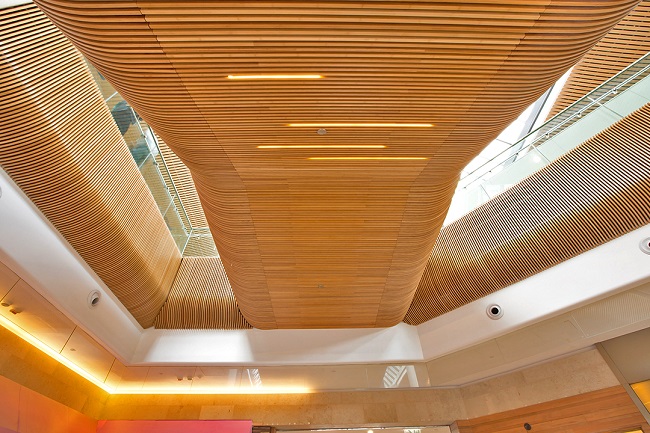
Design Flexibility and Aesthetic Advantages
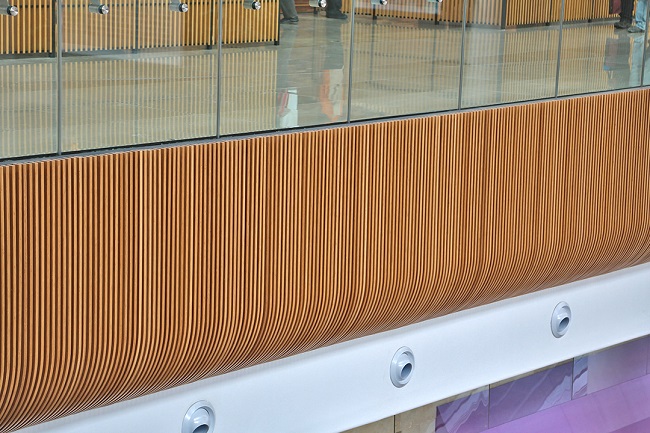
Bamboo veneer offers a refined, natural beauty that blends well with numerous aesthetics. The grain is smoother and more uniform than many hardwoods, giving designers a material that fits effortlessly into minimalist, Scandinavian, Japanese-inspired, and contemporary interiors. The coloration ranges from pale blondes in natural bamboo to warm ambers and deeper caramel tones in carbonized varieties. Even charcoal-toned veneers are available using advanced steaming or heating techniques.
One of the reasons bamboo veneer is so visually adaptable is its compatibility with many finishes. It works well with clear coats, oils, satin or matte lacquers, and custom stains. Most finishes bring out the fine grain and subtle texture of bamboo, enhancing depth and clarity. When used for furniture, wall treatments, or cabinetry, the result is a sleek, cohesive look that adds warmth without overwhelming other design elements.
Bamboo veneer also maintains a high level of color consistency across sheets, especially when sourced from reputable manufacturers. This consistency is essential for large surface installations such as entertainment walls, office interiors, or ceiling features where uniform appearance is critical.
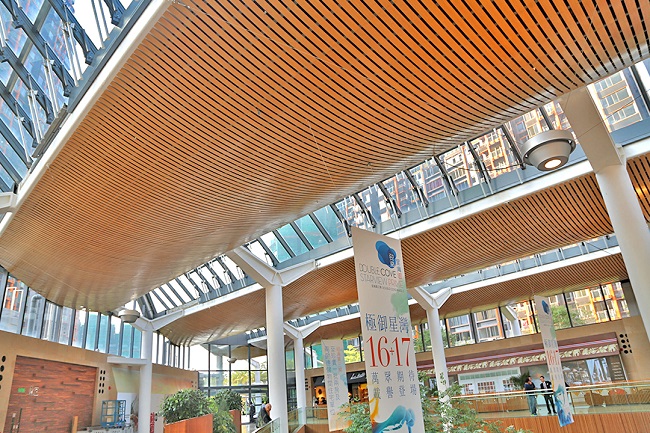
Strength and Durability
Despite its thinness, bamboo veneer delivers impressive durability when paired with the right substrate. Engineered panel cores such as multi-ply birch plywood or high-quality MDF provide a stable foundation, while bamboo veneer supplies the appearance and tactile feel of natural bamboo. This combination creates a finished product that handles everyday use with minimal wear.
Bamboo is naturally resilient due to its dense fiber structure, giving the veneer a harder surface compared to many softer hardwood veneers. It resists dents better than some other wood options and holds up well in furniture applications, cabinetry doors, drawer fronts, and interior paneling. With proper sealing, bamboo veneer also offers dependable resistance to moisture, making it suitable for kitchens, bathrooms, offices, and high-traffic spaces.
Uses in Custom Carpentry and Interior Projects
The adaptability of bamboo veneer sheets opens creative possibilities across nearly every carpentry category. Common applications include:
- Cabinetry and casework – Lightweight but visually refined, making it ideal for kitchen cabinets, pantry systems, and built-ins.
- Furniture manufacturing – Used for desks, tables, bookshelves, media consoles, and custom storage pieces.
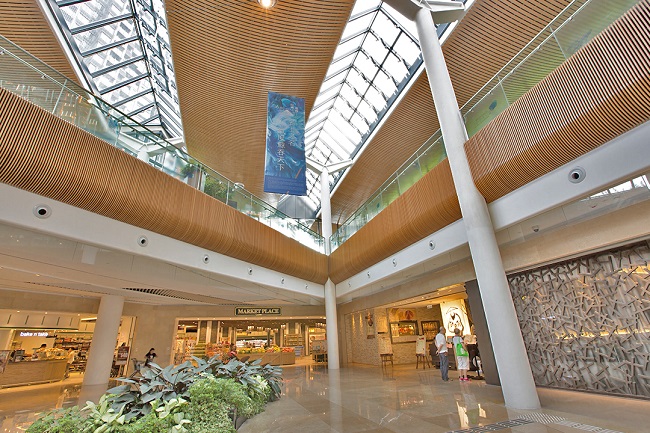
- Wall paneling – Adds warmth and natural flair to feature walls, office interiors, or reception areas.
- Acoustic panels – Works well with perforated designs to create high-performance sound-absorbing elements.
- Doors and partitions – Strong enough for interior door skins, sliding panels, or room dividers.
- Retail & hospitality installations – Durable and consistent choice for commercial settings.
Bamboo veneer performs equally well in large-scale architectural builds and one-of-a-kind custom carpentry projects. Its adaptability is one of the key reasons professionals use it so frequently in modern design.
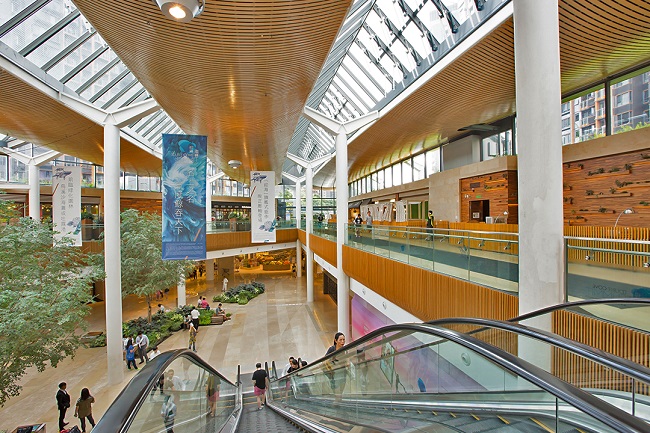
Fabrication and Workability
Bamboo veneer sheets can be shaped, cut, sanded, and bonded using common woodworking tools and techniques. They respond cleanly to saw blades, routers, and CNC machines, allowing precise detailing and consistent results.
Proper bonding is essential for long-term performance. Most carpenters use contact cement, PVA glues, or specialized veneer adhesives, depending on the project. Vacuum pressing is often recommended for large or complex surfaces, as it ensures even adhesion with minimal bubbles or irregularities.
Edge finishing is another aspect where bamboo veneer stands out. Edges can be completed using:
- Matching bamboo edge banding
- Solid bamboo strips
- Contrasting hardwood trim
- Rounded or beveled routing profiles
Each method produces a refined look suitable for custom millwork, furniture, or architectural details.
Environmental Advantages
One of the most compelling benefits of bamboo veneer is its renewable source. Bamboo grows far faster than hardwood trees, often reaching harvestable maturity in four to six years. This rapid regeneration places less pressure on forests while providing a strong, durable material for construction and design.
Responsible manufacturers focus on using low-emission adhesives and offering certifications such as FSC or GREENGUARD. These standards help ensure the veneer contributes to healthier indoor air quality and meets sustainable construction requirements.
Because bamboo veneer uses thin slices bonded to engineered boards, it also maximizes material efficiency. This approach reduces waste and makes better use of each harvested bamboo culm.
Maintenance and Longevity
Bamboo veneer surfaces perform well with regular cleaning and minimal upkeep. The finish plays the biggest role in long-term durability. High-quality finishes help resist moisture, scratches, and stains, especially in kitchens, offices, or commercial interiors.
Recommended care practices include:
- Cleaning with mild soap and water or suitable wood-safe cleaners
- Using protective pads under heavy or abrasive objects
- Maintaining stable indoor humidity levels
- Avoiding prolonged standing water on surfaces
Refinishing is possible for many bamboo veneer applications, especially if a thicker veneer layer is used. Light sanding and re-coating can refresh the appearance of cabinets or furniture when signs of wear appear.
How Bamboo Veneer Sheets Compare to Other Veneers
When evaluated alongside other veneer types, bamboo veneer stands out in several meaningful ways:
- Compared to traditional hardwood veneers – Bamboo veneer is often more uniform, more sustainable, and more resilient to dents.
- Compared to engineered laminates – Bamboo veneer offers genuine natural texture rather than a printed pattern.
- Compared to exotic woods – It provides a premium appearance without the environmental impact associated with many rare species.
Cost-wise, bamboo veneer usually falls somewhere between common wood veneers and the higher-priced exotic species, making it an appealing mid-range option with strong visual impact.
Is Bamboo Veneer the Most Versatile Material for Modern Carpentry?
Bamboo veneer earns its reputation through a balance of workability, durability, and design value. It adapts to a wide range of carpentry applications, supports sustainable building practices, and provides a clean, modern appearance appreciated by homeowners and designers alike. Its compatibility with both large and small projects, along with its consistent grain and dependable structural performance, places it among the most versatile materials available for contemporary carpentry projects.
Whether used to craft precise furniture pieces or expansive architectural panels, bamboo veneer sheets offer builders a dependable material that enriches both functional and visual outcomes. For carpenters seeking a material that blends renewability, beauty, and long-term stability, bamboo veneer is well worth considering.
 皖公网安备 34180202000049号