

Finger Joint Pine Board Plywood Panel: A Thorough Guide
Sep 12, 2026, 11:30 AM
Finger-joint pine plywood has become a dependable material across construction, cabinetry, furniture, packaging, and interior décor. Its stability, clean appearance, and responsible use of timber make it a practical option for both professional builders and hobbyists. This guide offers a detailed look at what finger-joint pine plywood is, how it’s made, how it performs, where it’s used, and how to evaluate its quality so you can select the right panels for your projects.
What Finger-Joint Pine Plywood Actually Is
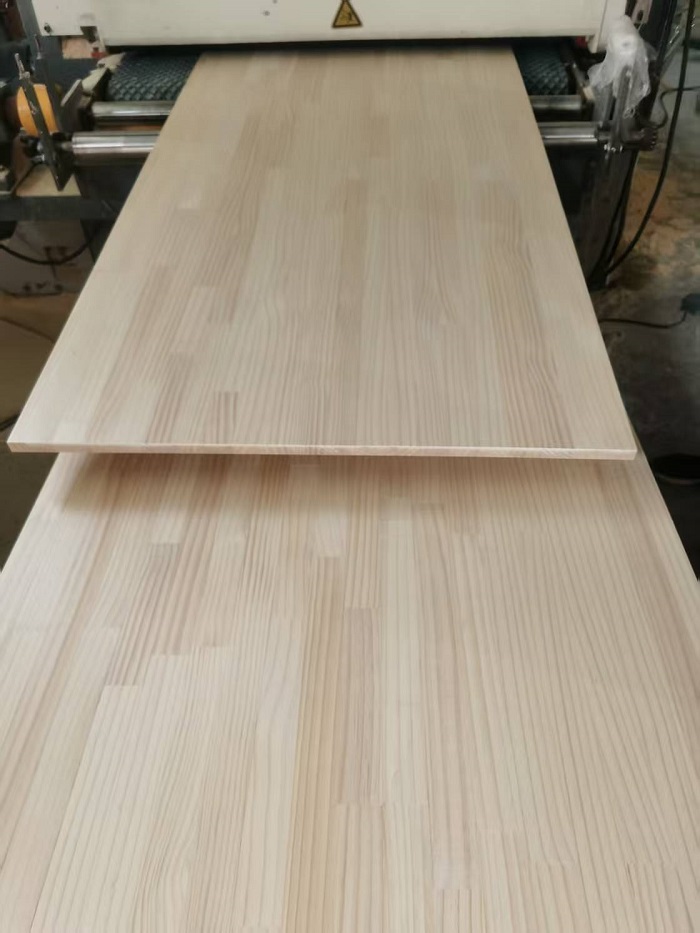
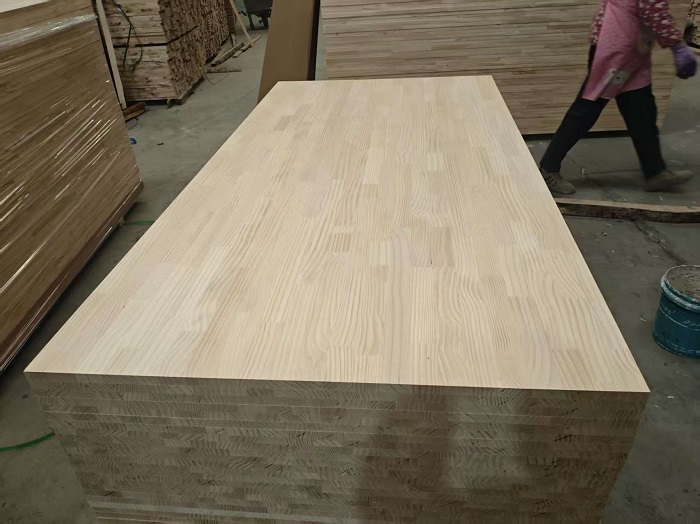
Finger-joint pine plywood combines two engineering methods: finger-jointed lumber and cross-laminated plywood. Instead of using long, continuous solid boards, factories take shorter lengths of pine, cut interlocking “fingers” at the ends, bond them with strong adhesives, and join them together into longer, defect-reduced strips. These strips become the veneers or face layers that are laminated with alternating grain directions to form plywood panels.
This approach improves consistency, reduces waste from sawn timber, and provides a neat, uniform appearance. It is especially popular in markets where pine is abundant, such as New Zealand, Brazil, Chile, North America, and parts of Europe.
Why Pine Works So Well for Finger-Joint Panels
Pine is not the hardest or densest softwood, yet it brings several desirable traits to engineered panels:
- Sustainable growth rate and responsible plantation management
- Clean, light, welcoming color tones
- Good bond strength for adhesives
- Stable once dried and stress-relieved
- Accepts coatings and stains effectively
- Cost-efficient compared to many hardwood species
When combined with finger-jointing and plywood lamination, pine becomes significantly more stable than solid boards while maintaining its warm, natural appearance.
How Finger-Joint Pine Plywood Is Manufactured
Understanding the manufacturing process helps you assess quality and predict performance.
Step 1: Selection and Drying of Pine Lumber
Manufacturers sort pine boards by grade, density, moisture level, and structural soundness. The wood is kiln dried to the proper moisture content, typically around 8–12%, ensuring adhesives cure well and panels remain dimensionally stable.
Step 2: Cutting the Finger Profiles
Computer-guided cutters shape the ends of each lumber piece into matching interlocking fingers. These resemble small zig-zag teeth that maximize surface area for adhesive bonding. The precision of these cuts affects the final strength of the joints.
Step 3: Gluing and Pressing the Finger Joints
Strong bonding agents such as PVA, MUF, or E0/E1 grade formaldehyde-free adhesives are applied. The pieces are pressed together to form long continuous strips. Proper curing ensures the joint becomes stronger than the wood fibers around it.
Step 4: Veneer Preparation
These longer finger-jointed strips are sliced into veneers or used directly as laminated faces. Additional layers of pine or complementary species are prepared for cross lamination.
Step 5: Cross-Lamination and Hot Pressing
Veneers are arranged with alternating grain directions. Heat and pressure create a stable panel with minimized warping, twisting, and swelling.
Step 6: Trimming, Sanding, and Grading
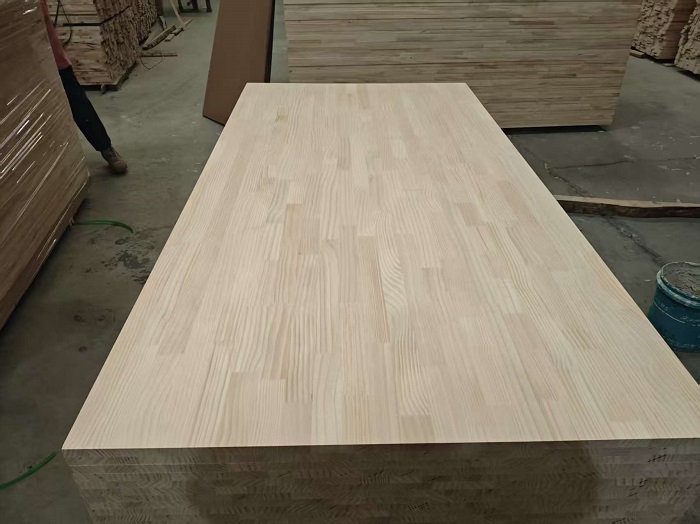
Panels are trimmed to standard sizes (commonly 4×8 ft, 1220×2440 mm) and sanded to produce a smooth finish suitable for clear coating or painting. They are then graded according to face quality, core quality, and structural performance.
Distinctive Advantages of Finger-Joint Pine Plywood
Finger-joint pine plywood is valued for its blend of visual appeal, mechanical performance, and eco-conscious manufacturing.
Excellent Material Stability
The combination of finger joints and cross lamination dramatically reduces natural wood movement. Compared to solid pine, this plywood is far less prone to:
- Cupping
- Bowing
- Twisting
- Seasonal expansion
These qualities make it especially suitable for interior applications and precision joinery.
Efficient Use of Timber Resources
Finger-jointing allows manufacturers to use short pieces of pine that would otherwise be wasted. This enhances yield from each harvested tree and supports sustainable forestry practices.
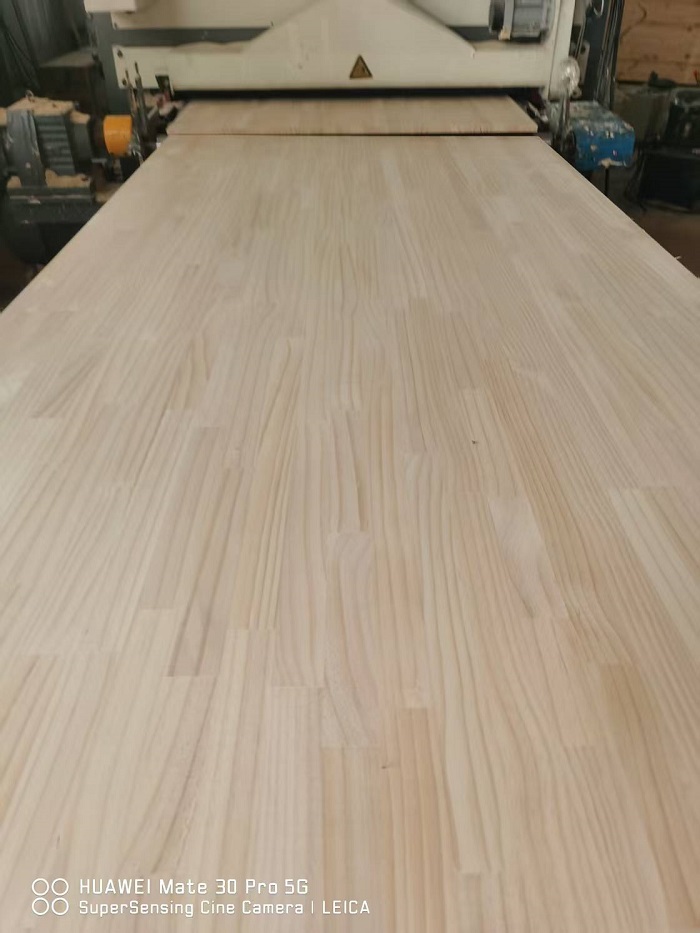
Smooth, Uniform Appearance
Knots, sap streaks, and other defects can be minimized or eliminated. Finger-joint patterns are often subtle and aesthetically pleasing when clear-coated.
Cost-Effective Alternative to Solid Lumber
By using engineered components rather than sawn boards, panels offer competitive pricing without sacrificing performance.
Lightweight and Easy to Work With
Pine plywood machines cleanly with standard woodworking tools, reducing production time and labor effort.
Ideal for Finishing
The consistent surface accepts:
- Paint
- Clear varnish
- Lacquer
- Water-based coatings
- Stains (with proper conditioning)
This flexibility appeals to designers seeking natural, Scandinavian-style interiors or bright, modern finishes.
Common Applications in Construction and Woodworking
Finger-joint pine plywood is versatile enough for structural and decorative uses.
Interior Wall and Ceiling Paneling
The warm, clean appearance of pine makes it suitable for homes, offices, cabins, and commercial spaces. Panels can be left natural or painted.
Cabinets, Shelving, and Built-In Furniture
Its stability ensures cabinet doors, shelves, and partitions remain true over time. When sealed properly, it works well in kitchens, bedrooms, and living areas.
Doors and Window Components
Many manufacturers produce door rails, stiles, and jambs using finger-joint pine because of its resistance to warping.
DIY Furniture and Hobby Projects
The ease of cutting, sanding, and finishing makes it appealing for hobbyists building desks, benches, or storage units.
Packaging, Crating, and Pallets
Lightweight yet reliable, the panels support industrial packaging needs without unnecessary cost.
Decorative Panels and Feature Walls
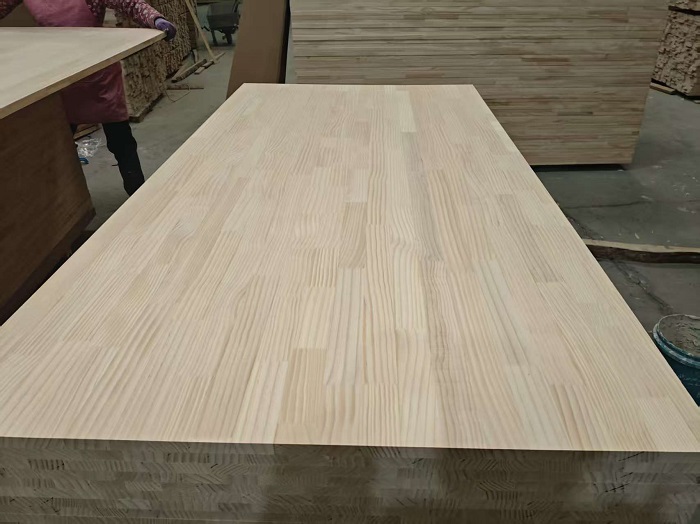
Finger-joint lines create subtle patterns that work naturally with modern, minimalist, and rustic design trends.
Comparing Finger-Joint Pine Plywood to Other Plywood Types
vs. Solid Pine Boards
- Better stability and less waste
- More consistent appearance
- Often more affordable
- Stronger resistance to seasonal movement
vs. Standard Pine Plywood (Non–Finger-Joint)
- Smoother, cleaner face layers
- Fewer defects
- More predictable strength across the panel
vs. Hardwood Plywood
- Lighter and often cheaper
- Softer surface (may dent more easily)
- Ideal for painted or lightly stained finishes
- Better sustainability profile in many regions
vs. MDF
- Stronger screw-holding capacity
- Better moisture resistance
- Less dust when machined
- More structurally rigid
How to Choose High-Quality Finger-Joint Pine Plywood
Not all panels are produced equally. Pay attention to the following indicators.
Check the Joint Integrity
The finger-joint lines should be:
- Tight and clean
- Free of gaps or misalignment
- Even in spacing and shape
Gaps or misalignment indicate poor cutting or glue application.
Inspect the Face Veneers
Look for:
- Smooth surface
- Limited patches or repairs
- Uniform color
- Minimal knots or imperfections
- Consistent grain direction
A well-made panel looks seamless and balanced.
Assess the Core Construction
Lift the panel gently from one end. A well-laminated core feels rigid and shows minimal flex. Excessive bending or hollow spots may suggest poor bonding.
Confirm Moisture Resistance Requirements
Panels come in different grades:
- MR: Moisture-resistant for indoor use
- WBP: Weather- and boil-proof adhesive for demanding applications
- Exterior grades for humid environments
Choose the grade appropriate for your project.
Look for Certification Marks
Depending on your region, certifications may include:
- CARB / TSCA compliance
- FSC or PEFC certification for responsible timber sourcing
- E0 or E1 emissions ratings
- National or regional plywood standards
Certification helps ensure consistent production quality and environmental responsibility.
Best Practices for Cutting, Joining, and Finishing
Cutting and Machining Tips
- Use sharp carbide blades for clean edges.
- Support the panel to avoid splintering.
- When cutting across grain, score lightly first for an extra-crisp line.
Edge Sealing
Plywood edges are more porous than the faces. Apply:
- Sanding sealer
- Primer
- Clear resin
- Wood filler for decorative pieces
Sealing prevents moisture absorption and improves paint adhesion.
Surface Preparation
Sand lightly with fine-grit paper to achieve a silky surface. Avoid overly aggressive sanding, which may thin the veneers.
Painting and Coating
For paint:
- Apply primer first
- Use high-quality acrylic or polyurethane paints
- Sand lightly between coats
For natural finishes:
- Use clear polyurethane, water-based varnish, or oil finishes
- Condition the wood if applying stain for even absorption
Joinery Considerations
Finger-joint pine plywood handles screws and adhesives well. For structural strength:
- Pre-drill screw holes
- Use wood glue on all joints
- Consider dowels or biscuits for cabinetry
Durability and Long-Term Performance Expectations
Finger-joint pine plywood performs reliably over the long term when used correctly.
Resistance to Warping and Movement
The cross-laminated structure offers exceptional dimensional stability, even with changes in humidity.
Wear and Surface Hardness
Pine is softer than hardwoods, so it may dent under heavy load. A durable coating or protective top layer helps mitigate this.
Moisture Performance
With the proper grade and finish, panels maintain integrity in kitchens, bathrooms, and other indoor spaces. However, extended exposure to standing water should be avoided unless using exterior-rated material.
Strength and Load-Bearing
For shelves, partitions, and cabinetry, the strength-to-weight ratio is excellent. As always, ensure thickness and grade meet the structural demands of your project.
Environmental and Sustainability Considerations
Finger-joint pine plywood aligns well with modern sustainability goals.
Enhanced Wood Utilization
Using short lengths of pine reduces waste dramatically. Nearly every part of the harvested tree is put to use.
Responsible Forest Management
Many pine plantations operate under certification systems promoting reforestation, biodiversity conservation, and water stewardship.
Lower Emissions Options
Low-formaldehyde and formaldehyde-free adhesives allow for healthier indoor environments, particularly in schools, homes, and workplaces.
Recyclability
At the end of its life, pine plywood can be repurposed, recycled, or used for biomass energy in many regions.
Practical Real-World Examples
Modern Interior Renovations
Designers often choose finger-joint pine plywood to achieve clean Scandinavian-inspired interiors. Its light color pairs well with concrete, glass, metal, and neutral palettes.
Commercial Shelving and Fixtures
Retail spaces appreciate the combination of strength and visual consistency, especially when shelving must look clean and professional.
Custom Woodworking Studios
Furniture makers appreciate its cost-effectiveness and reliability when producing short-run pieces or prototypes.
Residential Doors and Frames
Finger-joint pine is widely used in door stiles and jambs because of its resistance to twisting, an essential quality for long components.
Creative DIY Projects
From loft beds to storage units, makers value how approachable the material is, even for beginners.
Common Myths and Misunderstandings
“Finger-jointed wood is weak.”
A properly bonded finger joint is often stronger than the surrounding wood fibers. Weakness arises only when manufacturing shortcuts occur.
“Pine plywood can’t handle moisture.”
With the correct adhesive grade and finish, finger-joint pine plywood performs well in moderately humid environments.
“The joint pattern looks unattractive.”
Many designers intentionally highlight the geometric finger pattern for a modern, crafted look. When desired, the lines can also be concealed under paint.
“It’s not suitable for heavy woodworking.”
Finger-joint pine plywood is widely used in professional cabinetry, provided adequate thickness and joinery methods are chosen.
Tips for Working With Suppliers and Understanding Quality Differences
Ask About the Veneer and Core Species
Some panels use pine faces with mixed-species cores. Knowing the core material helps you predict strength and screw-holding performance.
Request Sample Cuts
A reliable supplier will provide sample pieces. Inspect edges, layers, and bond lines.
Review Production Standards
Look for consistent grading, smooth surfaces, and precise laminations. Panels from reputable factories maintain predictable performance.
Communicate Your Application Clearly
Whether you need materials for cabinetry, structural framing, or decorative panels, specifying your intended use ensures you receive the right grade.
Storing and Handling the Panels Before Use
Proper storage protects the panels from bending or moisture issues.
- Keep panels flat and supported on level ground.
- Store indoors in a dry, shaded area.
- Allow panels to acclimate to room conditions for 24–48 hours before installation.
- Avoid leaning panels vertically for long periods.
These steps help prevent stress and maintain panel integrity.
Thicknesses, Sizes, and Custom Options
Finger-joint pine plywood is available in common thicknesses:
- 9 mm
- 12 mm
- 15 mm
- 18 mm
- 21 mm
Standard size is typically 1220×2440 mm, though custom dimensions and edge profiles can be ordered for commercial projects.
Special options may include:
- Pre-primed surfaces
- UV-coated finishes
- CNC-ready panels
- Moisture-enhanced grades
- Ultra-smooth sanding
Such features can reduce labor and improve efficiency during installation.
Cost Considerations
Several factors influence pricing:
- Grade and appearance
- Thickness
- Adhesive type (E0/E1 grades often cost more)
- Surface finish and special treatments
- Regional supply and pine availability
- Certification requirements
Finger joint pine plywood generally remains more affordable than hardwood plywood and specialty engineered panels while offering excellent performance.
When Finger-Joint Pine Plywood Is the Right Choice
It is especially suitable if you prioritize:
- A clean, modern appearance
- Stable engineered panels
- Sustainable material sourcing
- Cost-effective solutions
- Easy machining and finishing
- Lightweight components
- Reliable performance in interior environments
For builders and designers aiming for efficiency and a natural look, the material balances practicality with aesthetic value.
Final Thoughts
Finger-joint pine plywood stands out as a versatile, sustainable, and user-friendly material for both professional construction and personal woodworking. Its engineered design offers the stability of plywood with the clean, appealing look of pine, while its responsible use of timber resources supports modern environmental expectations. Whether you are crafting furniture, installing interior panels, or building custom cabinetry, this plywood provides a reliable combination of strength, consistency, and visual warmth.
 皖公网安备 34180202000049号