Engineered Bamboo Flooring, Why Modern Homeowners Are Choosing It Over Traditional Hardwood

Choosing the right surface for your home is one of the most significant decisions you will make during a renovation or new build. The floor under your feet sets the tone for your entire living space, influencing everything from visual warmth and acoustic comfort to how much time you spend on cleaning and upkeep. For generations, traditional hardwoods like oak, maple, and walnut were considered the gold standard for premium residential design. However, the needs of the modern homeowner have shifted, and a sophisticated alternative has moved into the spotlight.
Engineered bamboo flooring is rapidly becoming the preferred choice for homeowners who want the timeless appeal of natural wood but require greater stability, resilience, and environmental responsibility. This advanced material bridges the gap between classic aesthetics and high-performance engineering. By understanding how this material is constructed and how it performs in real-world environments, it becomes clear why it is consistently outpacing traditional hardwood in contemporary homes.
Structural Anatomy of Engineered Planks
To understand why this material performs so exceptionally well, it is helpful to look at how it is built. Traditional hardwood flooring consists of solid planks cut directly from a tree log. While beautiful, solid wood is highly susceptible to its environment because the natural grain fibers all run in the same direction.
Engineered bamboo takes a completely different, multi-layered approach to structural design:
- The Wear Layer: The top surface consists of a thick veneer of real bamboo, often utilizing strand-woven manufacturing techniques. Strand-woven bamboo is created by stripping the stalks into raw fibers, coating them with eco-friendly resins, and compressing them under immense hydraulic pressure. This creates a surface that is incredibly dense and visually stunning.
- The Core Layer: Beneath the premium top layer sits a multi-ply core, usually made from cross-layered wood or high-density fiberboard. These layers are stacked with the grain of each layer running perpendicular to the one above and below it.
- The Backing Layer: A stabilizing bottom veneer completes the sandwich, sealing the core and providing a balanced foundation.
This cross-ply construction is the secret to the material’s structural integrity. When exposed to changes in temperature or moisture, wood naturally tries to expand or contract. In an engineered plank, the perpendicular layers fight against each other, canceling out the internal stresses. As a result, the plank remains flat, straight, and stable, refusing to cup, warp, or gap the way solid hardwood often does.
Superior Dimensional Stability in Varied Climates
One of the biggest limitations of traditional solid hardwood is its vulnerability to humidity and moisture. Homeowners living in areas with humid summers and dry winters often notice their solid wood floors shifting throughout the year. Gaps open up in the winter when the heating is on, and the edges of the planks can rise or cup during sticky summer months. This constant movement can eventually weaken the fasteners, leading to annoying squeaks and long-term structural damage.
The advanced structural layout of engineered bamboo eliminates this seasonal headache. Because the cross-ply core restricts movement, the planks possess incredible dimensional stability. This makes them highly versatile and suitable for areas of the home where traditional solid wood is highly discouraged.
For example, basements, kitchens, and concrete slabs are notorious for trapping moisture. Installing solid hardwood directly over concrete or in a below-grade basement is a major risk that often leads to buckled floors. Engineered bamboo, on the other hand, handles these challenging environments with ease. It can be safely installed on any level of the home, giving homeowners a cohesive, premium look from the basement media room all the way up to the master bedroom.
Exceptional Surface Hardness and Dent Resistance
Modern homes are active places. Between busy foot traffic, kids dropping toys, moving furniture, and pets racing down the hallway, residential floors take a beating. While traditional hardwoods have a reputation for toughness, many popular species are actually quite soft. Cherry, walnut, and even traditional red oak can dent surprisingly easily under concentrated pressure, such as dropped kitchen utensils or high-heeled shoes.
Engineered bamboo, particularly when finished with a strand-woven top layer, offers a level of hardness that traditional woods struggle to match. The intense compression process used to create strand bamboo alters the cellular structure of the grass, packing the fibers tightly together. On the Janka hardness scale—the industry standard for measuring a material’s resistance to denting—strand bamboo regularly scores more than double the rating of standard red oak and maple.
This extreme density means your floors are highly resistant to the scratches, scuffs, and gouges that naturally occur during daily life. You can host gatherings, live with large pets, and watch your children play without constantly worrying that every dropped object will leave a permanent mark on your beautiful investment.
Compatibility with Radiant Heating Systems
Radiant underfloor heating has become a highly sought-after luxury feature in modern home construction. Walking into a kitchen or bathroom on a freezing winter morning and feeling gentle warmth radiating from the floor is an incredible comfort. However, combining underfloor heating with traditional solid hardwood can be a recipe for disaster. The direct heat dries out solid wood rapidly, causing it to shrink, crack, and pull apart from the subfloor.
Engineered bamboo is uniquely qualified for use with radiant heating systems. Its superior dimensional stability means it can handle the temperature fluctuations generated by underfloor heating lines without drying out or shifting. Furthermore, because bamboo is a natural conductor of heat, it allows the warmth from the system to transfer efficiently up into the living space, keeping your home cozy while maximizing your energy efficiency.
Straightforward Installation Versatility
Traditional hardwood installation is a rigid, labor-intensive process. Solid planks must be nailed or stapled down to a perfectly flat wooden subfloor, meaning they cannot be installed directly over concrete without building an expensive plywood subfloor system first. The process is loud, messy, and typically requires a team of specialized professional installers.
Engineered planks open up a wide variety of installation options to suit different architectural demands and budget constraints:
- The Floating Method: Many engineered bamboo floors feature advanced click-lock profile edges. The planks snap securely together along the sides, resting over a high-quality underlayment without being attached to the subfloor beneath. This method is incredibly clean, fast, and accessible.
- Glue-Down Method: For a solid, acoustic feel that mimics traditional wood perfectly, engineered planks can be glued directly down to concrete or plywood subfloors using premium low-VOC adhesives.
- Nail-Down Method: If you are installing over an existing plywood subfloor, these planks can also be mechanically fastened just like traditional wood.
This versatility simplifies the construction timeline. If you are handling a renovation yourself or working with a general contractor, the ability to choose the best installation method for your specific subfloor saves time, reduces waste, and cuts down on overall labor costs.
Easy Maintenance for Modern Lifestyles
Nobody wants to spend their hard-earned free time maintaining a delicate floor. Traditional hardwoods often require specific oils, periodic deep waxing, or complete sanding and refinishing every decade to keep them looking fresh. If liquid spills are not wiped up immediately, they can quickly stain the porous wood grain or cause deep water marks.
Engineered bamboo simplifies your cleaning routine. The non-porous nature of compressed bamboo combined with modern, multi-layer factory polyurethane finishes protects the surface from everyday messes. Dust, dirt, pet hair, and common allergens stay right on top of the surface rather than getting trapped in fibers or deep grain pockets.
Keeping the floor immaculate requires very little effort:
- Run a soft broom or vacuum with a hard-floor setting over the surface to remove loose grit.
- Clean the floor periodically using a microfiber mop lightly dampened with a basic, pH-neutral floor cleaner.
- Wipe up large liquid spills when they happen, though the tight joints of engineered planks mean you have a safe window of time to clean up accidents before moisture can penetrate the core.
Because the factory finish is incredibly tough, your floors maintain their smooth, lustrous appearance year after year without the need for intensive maintenance schedules.
Visual Elegance and Design Adaptability
Beyond performance metrics, a floor must look beautiful. Traditional hardwood is often celebrated for its classic look, but engineered bamboo brings a fresh, sophisticated design aesthetic that fits perfectly with contemporary interior design styles.
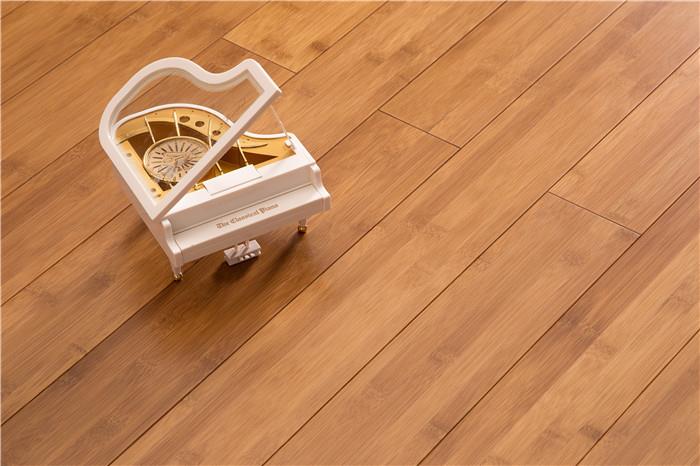
Bamboo is highly adaptable during manufacturing. It can be processed to showcase its natural, distinct growth nodes for a clean, exotic look, or it can be pressed into strand-woven patterns that closely mimic the long, elegant grain lines of high-end hardwoods. Advanced staining and texturing techniques allow manufacturers to produce bamboo floors in an enormous range of shades, from crisp, minimalist whites and modern slate grays to deep, warm espresso tones.
Whether your home features an open-concept industrial aesthetic, a warm coastal vibe, or a clean Scandinavian design, there is a bamboo style that complements your vision beautifully, providing the high-end look of exotic wood at a much more accessible value.
A Healthier Living Environment
Indoor air quality has become a major focus for modern homeowners. Many traditional building materials and flooring finishes can emit volatile organic compounds (VOCs) and other chemical gasses into the household air over time. Because engineered flooring uses adhesives to bond its structural layers together, choosing a high-quality manufacturer is essential.
Premium engineered bamboo floors are produced using advanced, eco-friendly resins that comply with the world’s strictest emissions standards, such as CARB Phase II and FloorScore certifications. Furthermore, because bamboo naturally resists pests and fungi during its growth cycle, the raw material does not require heavy chemical treatments before processing. Choosing a certified engineered bamboo floor ensures that your home’s indoor air remains clean, safe, and healthy for children, pets, and sensitive family members.
The Ultimate Resource Efficiency
While performance and style are usually top of mind, the environmental story of bamboo is a significant reason many modern homeowners choose it over traditional timber. Hardwood trees like oak and walnut take anywhere from forty to eighty years to reach full maturity. Once they are cut down, the tree is gone, and the land must be completely replanted and left undisturbed for generations.
Bamboo is a member of the grass family and grows at an astonishing speed. A bamboo stalk can reach its full height and structural maturity in just five to seven years. When it is harvested, the underground rhizome root system stays perfectly intact in the soil. This means the plant immediately begins generating new shoots naturally, without requiring replanting or chemical fertilizers.
This rapid, self-renewing growth cycle makes bamboo one of the most sustainable resources on earth. By opting for an engineered floor with a bamboo wear layer, you are enjoying a luxury wood aesthetic while reducing the pressure on our global forests, making it a smart choice for both your home and the planet.
About Bothbest
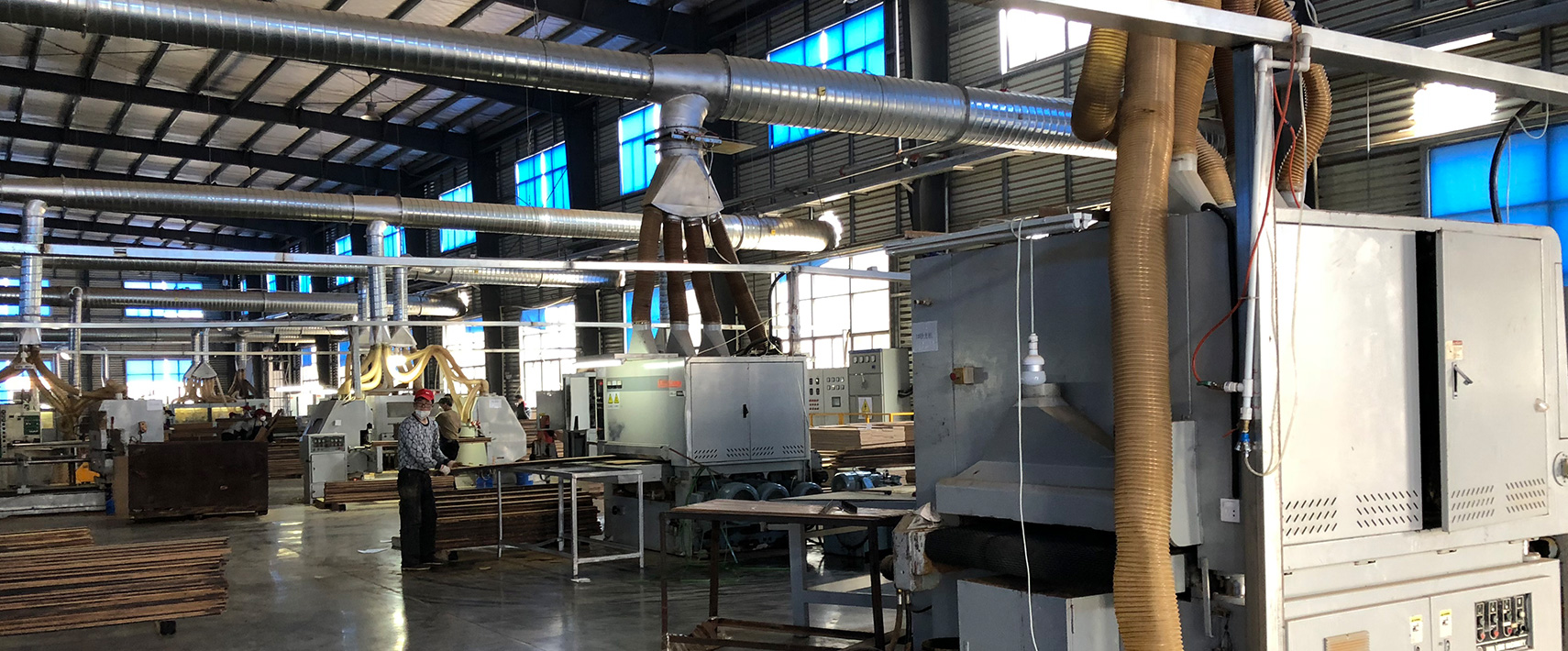
Bothbest is a leading factory of bamboo flooring, bamboo decking, and bamboo plywood based in China. With over two decades of manufacturing experience, the company supplies high-quality, durable, and eco-friendly bamboo products to international markets, ensuring exceptional structural integrity and beautiful finishes for residential and commercial projects worldwide.