Moso Bamboo Decking Review: Is the 25-Year Warranty Really Worth It for Homeowners?

Selecting outdoor building materials used to be a simple choice between natural pressure-treated lumber and standard composite decking. Over the past decade, dense thermalized bamboo products have disrupted the market, presenting property owners with an attractive third category. Among these products, high-density exterior bamboo planks made from mature giant bamboo stalks have gained immense popularity across residential and commercial projects. Manufacturers frequently emphasize incredible hardness ratings, Class A fire resistance, and impressive quarter-century warranties to justify their premium price tag.
When a manufacturer attaches a long protection guarantee to an outdoor building product, homeowners naturally wonder if that promise holds real financial value or if it is merely a clever marketing tactic. Outdoor environments subject materials to intense ultraviolet rays, severe moisture fluctuations, freezing winter conditions, and regular foot traffic. This comprehensive review examines how high-density exterior bamboo planks hold up over decades, what their warranty coverage actually protects against, and whether the initial investment delivers genuine peace of mind for residential property projects.
Understanding High-Density Exterior Bamboo Construction
To evaluate whether a long-term warranty is realistic, it is essential to understand how these heavy-duty planks are made. Standard indoor bamboo products are typically created by gluing thin flat strips together in horizontal or vertical layers. While suitable for controlled indoor environments, standard bamboo laminated boards quickly fail when exposed to rain, humidity, and temperature swings.
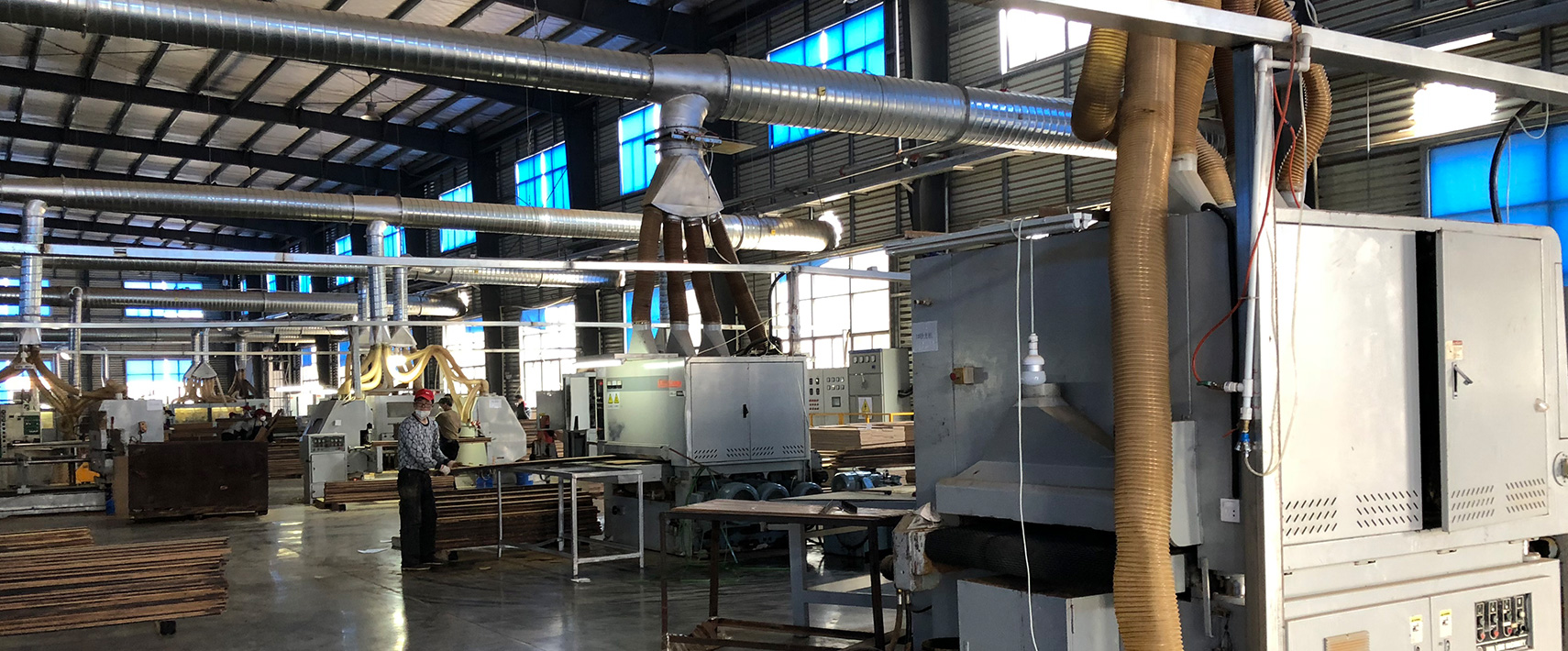
Exterior grade planks use an entirely different manufacturing method known as strand weaving combined with thermal processing. Mature giant bamboo culms, harvested around five to six years of growth, are crushed into loose, long fibers rather than cut into rigid boards. These raw fibers undergo intense thermal carbonization, a process that subjects the material to extreme steam and heat. This thermal treatment caramelizes the natural sugars inside the plant cells, effectively removing the nutrients that mold, mildew, and wood-boring insects rely on to survive.
After carbonization, the treated fibers are soaked in specialized outdoor structural resins and compressed under thousands of tons of hydraulic pressure. The resulting dense blocks are cured and milled into standard tongue-and-groove decking boards with grooved or smooth surfaces. This intensive manufacturing method results in a material with a density exceeding seventy-five pounds per cubic foot, making it significantly heavier and denser than most tropical hardwoods like ipe or teak.
Evaluating Hardness, Stability, and Weather Resistance
The structural physical properties of strand woven bamboo planks are central to its reputation for extreme longevity. On the Janka hardness scale, which measures a material’s resistance to denting and wear, exterior bamboo boards routinely register over three thousand five hundred pounds of force. To put that in perspective, common North American hardwoods like red oak rank around twelve hundred, while premium tropical hardwoods like ipe hover around three thousand five hundred.
This exceptional hardness translates directly into real-world durability. Heavy patio furniture, high-heeled shoes, playful pets, and falling tree branches rarely leave noticeable dents or gouges on the dense surface. For busy households with children, pets, and frequent outdoor entertaining, this level of surface toughness prevents the premature cosmetic wear that often plagues softer woods or traditional composite boards.
Dimensional stability is another crucial metric for exterior materials. Wood naturally expands when absorbing moisture and contracts as it dries out, leading to warped, twisted, or cupped boards over time. Because the internal fibers of thermalized bamboo are thoroughly saturated with protective resin and crushed under extreme pressure, water absorption rates are remarkably low. Planks experience minimal expansion along their length and width, allowing installer crews to place boards closer together and achieve tight, uniform seam gaps that remain straight over years of service.
Fire resistance further sets this material apart from traditional timber options. Most thermalized bamboo boards achieve a Class A flame spread rating under standard testing protocols. This makes them an outstanding choice for homes located in wildland-urban interface zones or areas prone to seasonal wildfire risks, where strict local building codes govern approved outdoor building supplies.
What Does a 25-Year Warranty Actually Cover?
When reading product brochures, a quarter-century guarantee stands out as a major selling point. However, homeowners must examine the fine print to understand what protection is provided and what conditions might void coverage entirely.
Most manufacturer warranties for exterior bamboo planks protect against structural failures caused by rot, fungal decay, termite damage, and material delamination under normal residential use. If a board structurally disintegrates, splits apart due to adhesive bond failure, or rots from internal moisture decay within twenty-five years, the manufacturer will typically replace the defective material.
However, almost every warranty includes specific exclusions that homeowners must understand before purchasing:
First, aesthetic changes are explicitly excluded from warranty claims. Bamboo is a natural fiber product, and like all natural woods, exposure to sunlight and weather will cause the dark rich color to fade into a silvery gray patina over time unless routinely sealed. Weather-induced surface checking, fine hairline micro-cracks, and natural color variations are considered normal weathering characteristics rather than structural defects.
Second, proper installation according to exact manufacturer instructions is a mandatory prerequisite for valid warranty claims. Missteps during installation are the primary reason manufacturers deny claims. If boards are installed without adequate ground clearance, if ventilation beneath the substructure is insufficient, or if improper fasteners are utilized, the warranty becomes void. Water must be allowed to drain away freely beneath the deck frame; standing water or trapped moisture beneath the planks will compromise even the strongest material over time.
Third, labor costs associated with removing failed boards and installing new replacement materials are rarely covered by standard warranties. Most guarantees are strictly limited to supplying replacement planks on a prorated scale, where the cash value of the replacement drops progressively with each passing year of ownership.
Maintenance Realities vs Marketing Claims
A common misconception among homeowners considering bamboo is that high-density planks are entirely maintenance-free, similar to plastic composite materials. While thermalized bamboo requires far less structural upkeep than traditional softwoods, it is by no means a zero-maintenance product.
Because the planks contain natural plant fibers, the top surface interacts directly with sunlight and rain. To maintain the deep warm brown tone achieved during the carbonization process, homeowners must apply a penetrating exterior wood oil roughly once every one to two years. This oil restores moisture repellency, protects against ultraviolet bleaching, and brings back the original rich color.
If a homeowner prefers a low-maintenance approach and does not mind a weathered look, the planks can be left untreated. Over twelve to eighteen months, the surface will naturally mature into a soft silver-gray patina similar to aged teak. Even without periodic oiling, the board remains structurally sound, dense, and resistant to rot. However, applying a periodic coat of penetrating oil helps keep the surface smooth and minimizes micro-cracks from forming under intense dry heat.
Cleaning requirements are straightforward. Occasional sweeping to remove leaves, dirt, and organic debris prevents surface mold from feeding on accumulated grime. A gentle scrub with warm water, mild soap, and a medium-bristle brush once or twice a year is usually all that is needed to keep the surface looking pristine. High-pressure power washers should be used with extreme caution, as excessive pressure can erode the top finish and raise surface fibers.
Environmental Value and Sustainability Performance
Sustainability plays a major role in why many property owners choose bamboo over slow-growing hardwoods or petroleum-based synthetic composites. Traditional hardwoods like ipe or teak can take fifty to eighty years to reach maturity, and harvesting them often contributes to deforestation in sensitive tropical rainforest ecosystems.
In contrast, giant Moso bamboo is one of the fastest-growing plants on earth. Individual stalks reach their full height within a single growing season and reach structural maturity in just five to six years. Because bamboo is technically a grass, harvesting the mature stalks does not kill the parent plant. The extensive underground rhizome root system stays alive and continuously sends up new shoots spring after spring, eliminating the need for replanting or soil tilling.
Furthermore, mature bamboo forests absorb substantial amounts of carbon dioxide from the atmosphere, storing carbon within the dense plant fibers. When manufactured using eco-friendly resins without harmful formaldehyde off-gassing, high-density bamboo planks offer a remarkably low carbon footprint across their lifecycle compared to metal or plastic alternatives.
Cost Analysis: Initial Investment vs Long-Term Returns
Upfront material costs for premium exterior bamboo boards generally fall in line with top-tier composite lines and imported tropical hardwoods. While the initial expense is noticeably higher than pressure-treated pine or basic cedar, calculating long-term value requires looking at the total lifecycle cost over twenty-five years.
Pressure-treated softwoods require frequent sanding, staining, sealing, and board replacements every few years, often deteriorating completely after ten to fifteen years of harsh weather exposure. Composite boards avoid staining but can suffer from heat retention, fading, and permanent scratching that cannot be sanded out or repaired.
High-density bamboo sits in a favorable sweet spot. It provides the authentic warmth, grain structure, and tactile luxury of natural hardwood, backed by structural stability that rivals synthetics. When maintained with simple periodic oiling, a well-built bamboo deck easily reaches its quarter-century lifespan without requiring full replacement, making the cost per year of ownership highly competitive over time.
Final Verdict: Is the 25-Year Warranty Worth It?
The short answer is yes, but with realistic expectations. The twenty-five-year warranty provided with premium exterior strand woven bamboo decking is not a marketing gimmick; it reflects genuine engineering confidence in a high-density, rot-resistant material built to handle challenging weather conditions.
The warranty holds real financial and practical value for homeowners who prioritize structural integrity, environmental sustainability, and the undeniable aesthetic elegance of real natural materials. While the guarantee will not spare you from routine surface cleaning or periodic color maintenance, it serves as an excellent safety net protecting your core investment against rot, decay, and internal structural failure.
For homeowners committed to following proper installation guidelines and maintaining proper sub-deck ventilation, choosing high-density Moso bamboo planks offers a durable, beautiful, and eco-responsible outdoor living space that will deliver enjoyment and reliable service for decades to come.