How to Properly Clean and Maintain Solid Bamboo Floors to Keep Their Shine

Solid bamboo flooring offers a striking combination of natural beauty, structural durability, and distinctive grain patterns. Whether installed in residential living rooms or light commercial spaces, a well-maintained bamboo floor brings warmth and sophistication to interior environments. However, while bamboo is inherently dense and resilient, its top protective finish requires consistent, appropriate care to preserve its clarity, luster, and surface smoothness over decades of daily foot traffic.
Understanding how bamboo responds to moisture, abrasive grit, cleaning chemicals, and atmospheric humidity allows homeowners to establish a practical maintenance routine. Protecting the factory finish prevents premature wear, dullness, and fine scratches, keeping the floor looking fresh without requiring frequent, expensive refinishing.
Understanding the Physical Nature of Solid Bamboo Flooring
Before diving into cleaning techniques, it helps to understand what makes solid bamboo unique compared to traditional hardwoods like oak or maple.
Fiber Density and Natural Hardness
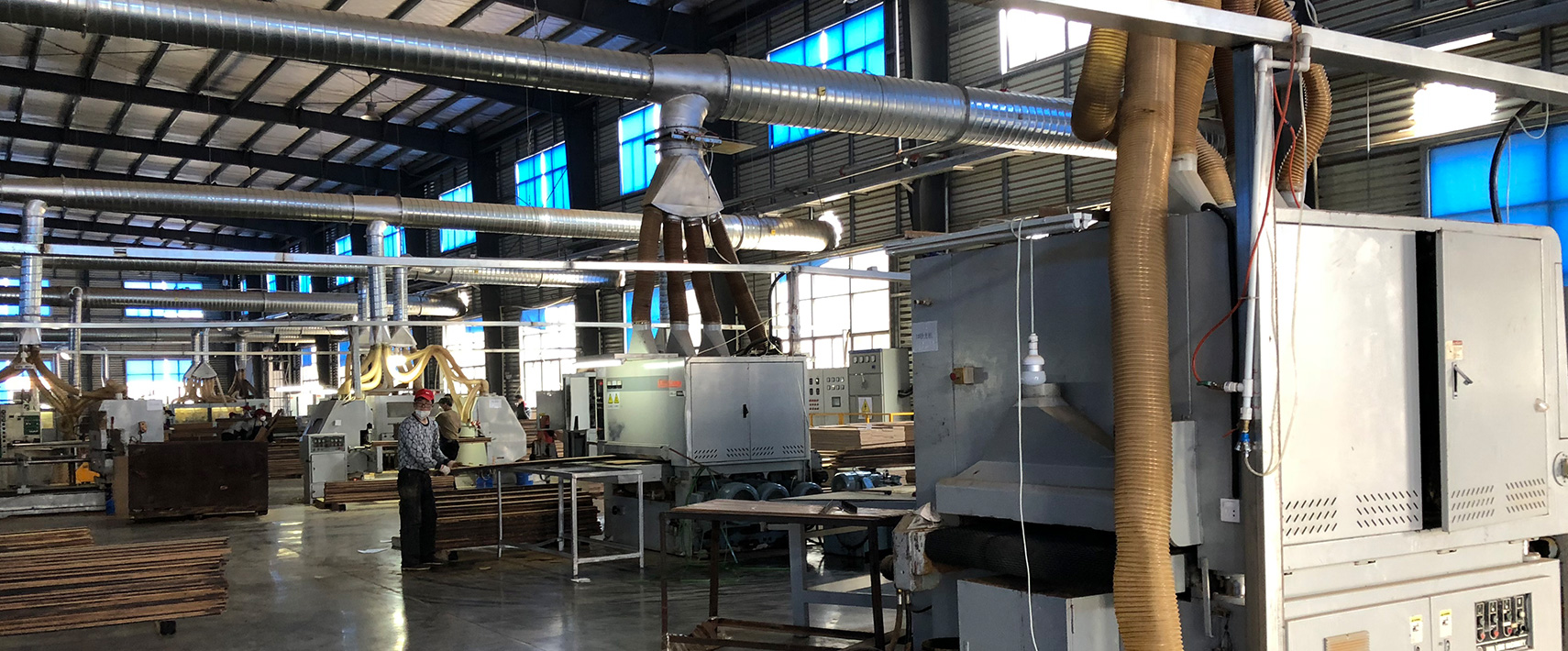
Solid bamboo planks are manufactured by slicing mature bamboo stalks into thin strips, boiling them to remove sugars, drying them thoroughly, and gluing them together under high pressure. Vertical and horizontal solid bamboo planks feature distinct grain lines that reflect this laminated construction.
While strand-woven bamboo achieves exceptional hardness ratings through intense compression, traditional solid bamboo possesses a hardness comparable to red oak. This means that while the core material stands up well to impact, the surface finish remains susceptible to scratching from fine debris tracked in from outdoors.
Moisture Sensitivity and Cell Structure
Like all natural wooden materials, bamboo is hygroscopic, meaning it absorbs and releases moisture in response to changes in surrounding atmospheric humidity. Standing water or harsh liquid cleaner can seep between plank seams, causing the fibers to swell, cup, or buckle.
Furthermore, excessive water underneath the polyurethane or aluminum-oxide topcoat can cloud the finish, turning a clear, glossy surface milky white over time.
Establishing an Effective Daily and Weekly Routine
The secret to long-lasting floor shine lies in preventive maintenance rather than heavy scrubbing. Removing dry debris before it can grind into the protective finish is the foundation of proper floor care.
Sweeping and Dust Mopping
Fine dirt, sand, and small pebbles act like sandpaper under shoe soles, slowly grinding away the clear protective topcoat and dulling the floor’s sheen.
-
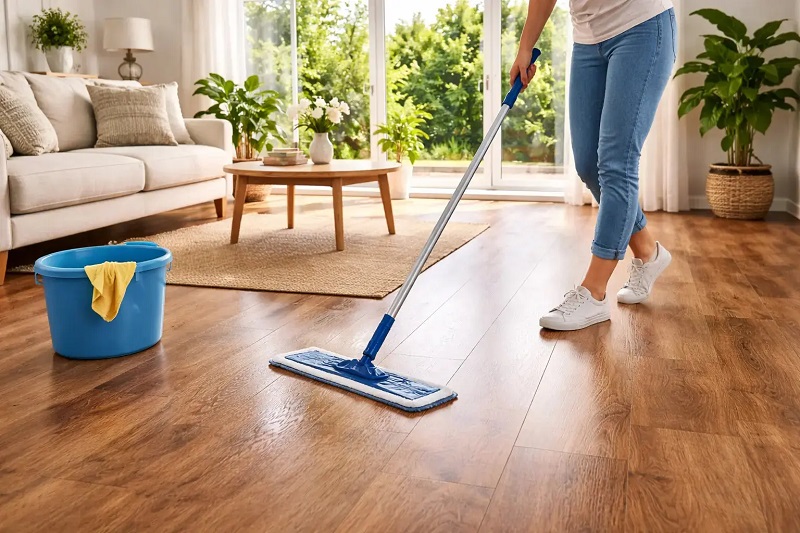
Daily Dust Mopping: Use a dry microfiber mop with a wide head to collect loose dust, pet hair, and surface grit. Microfiber attracts fine particles statically without scratching the finish.
-
Soft-Bristle Brooms: If using a traditional broom, select one with soft, synthetic bristles designed specifically for interior hardwood floors. Avoid stiff straw brooms that can leave micro-scratches across high-gloss finishes.
Safe Vacuuming Practices
Vacuuming effectively extracts grit trapped within plank bevels and along baseboards where dust mops cannot reach.
-
Disengage the Beater Bar: Always switch off the rotating brush or beater bar on your vacuum cleaner. Rigid spinning bristles and heavy plastic wheels can gouge or scratch solid bamboo finishes.
-
Use Hard Floor Attachments: Utilize soft brush attachments with rubberized wheels to glide smoothly over the floor surface without causing friction damage.
Choosing and Applying the Right Cleaning Solutions
Using improper cleaning agents is one of the most common reasons bamboo floors lose their factory shine or develop a sticky, dull film over time.
Recommended Cleaning Products
-
pH-Neutral Hardwood Cleaners: Select a dedicated, non-abrasive, pH-neutral cleaner formulated specifically for polyurethane-finished hardwood or bamboo floors.
-
Distilled Water and Gentle Soap: In a pinch, a few drops of mild, neutral liquid dish soap mixed into a bucket of warm water provides a safe, economical cleaning solution.
Products to Avoid Entirely
-
Harsh Chemical Cleaners: Ammonia, bleach, chlorinated solutions, and pure white vinegar (acidic) degrade the protective polyurethane topcoat over time, causing it to crack, peel, or turn dull.
-
Paste Waxes and Acrylic Polishes: Avoid applying traditional furniture wax, oil-based soaps, or acrylic shine restorers to polyurethane-coated bamboo. These products create a soft, sticky layer that attracts dirt and turns yellow or cloudy, requiring chemical stripping later on.
-
Abrasive Scrubbing Pads: Steel wool, scouring pads, and harsh scrubbing sponges will ruin the clear coat instantly.
The Damp-Mopp Method
When mopping bamboo, remember that moisture is the enemy.
-
Mist, Do Not Drench: Spray a fine mist of pH-neutral cleaner directly onto a microfiber mop pad or onto the floor surface. Do not pour liquid directly onto the bamboo planks.
-
Wring Mops Thoroughly: If using a traditional bucket system, wring the mop head out until it feels barely damp to the touch. No standing water should remain on the floor after a pass.
-
Mop Along the Grain: Move the mop in the direction of the bamboo grain lines to prevent streak marks and ensure an even application.
-
Dry Immediately: If any noticeable moisture droplets remain on the surface after mopping, pass a dry microfiber towel over the area to absorb them immediately.
Managing Spills and Accidents
Prompt action prevents permanent staining, finish damage, and wood swell.
Liquid Spills
Water, juice, milk, or wine spilled on solid bamboo should be wiped up immediately using an absorbent cloth or paper towel. Follow up by wiping the area with a damp microfiber cloth lightly misted with pH-neutral cleaner to remove sugary residues, then dry the surface completely.
Pet Accidents
Pet urine contains acidic compounds and ammonia that can eat through floor finishes and permanently discolor natural bamboo fibers if left unattended. Clean pet messes immediately using an enzymatic cleaner safe for hardwood finishes, followed by a thorough drying.
Sticky Residues or Candle Wax
If chewing gum, sticky tape residue, or candle wax adheres to the floor:
-
Apply an ice cube wrapped in a plastic bag over the substance for a few minutes to harden it.
-
Gently scrape the hardened residue off using the edge of a plastic putty knife or a credit card. Never use metal blades or sharp knives.
-
Wipe away residual stickiness with a damp microfiber cloth and dry the surface.
Protecting the Finish from Mechanical Damage
Preventing scratches and physical wear is far easier than repairing damaged planks. Implementing a few protective measures around the home will extend the life of the surface shine significantly.
Entryway Matting Systems
Place high-quality entryway mats both outside and inside all exterior doors. Outer scraper mats catch heavy dirt and mud, while inner absorbent mats catch water, snowmelt, and fine grit before shoe soles touch the bamboo flooring.
Furniture Pads and Caster Care
Heavy furniture legs act like chisels when dragged across a bamboo floor.
-
Felt Protectors: Apply thick, self-adhesive felt pads to the bottoms of all chair legs, table posts, sofas, and heavy cabinets. Check and clean these felt pads every few months to remove trapped grit, and replace them when they wear thin.
-
Soft Rubber Casters: Replace hard plastic or metal office chair wheels with soft polyurethane or rubber casters designed for hardwood floors, or place a clear protective chair mat under desk areas.
Pet Nail Maintenance
Keep domestic dogs and cats trim by clipping their nails regularly. Long pet claws leave deep indentations and white scratch lines in high-traffic hallways and living spaces.
Footwear Policies
Establish a “shoes-off” policy inside the home. High heels, cleated sports shoes, and work boots exert extreme pressure per square inch, easily crushing bamboo fibers and puncturing clear finish coatings.
Controlling Indoor Climate and Humidity
Because solid bamboo is sensitive to ambient air moisture, maintaining consistent indoor environmental conditions is critical for long-term structural integrity and surface appearance.
Ideal Relative Humidity Range
Maintain indoor relative humidity levels between 35% and 55% year-round. This keeps the moisture content of solid bamboo planks stable, preventing shrinking, gap formation during dry winters, and cupping or swelling during humid summers.
-
Winter Care: Use an evaporative or ultrasonic humidifier during heating seasons when indoor air gets dry.
-
Summer Care: Run air conditioning or a central dehumidifier during hot, humid summer months to remove excess atmospheric moisture.
Managing Direct Sunlight and Thermal Expansion
Extended exposure to intense ultraviolet (UV) sunlight causes natural bamboo to fade, yellow, or shift color over time.
-
Use sheer curtains, blinds, or UV-blocking window films on south- and west-facing windows to filter intense afternoon sunlight.
-
Rotate area rugs and furniture periodically so the floor ages evenly under natural light.
Restoring Lost Luster and Handling Minor Wear
Over years of continuous use, high-traffic zones like hallways and kitchen prep areas may show a slight loss of sheen.
Deep Cleaning to Remove Residue Build-up
If a floor looks dull despite regular sweeping, a film of household dust or inappropriate cleaning residue may be trapping light. Clean the floor thoroughly using a specialized hardwood deep-cleaner designed to lift greasy films without stripping the factory polyurethane.
Buffing and Screen Re-coating
If the clear polyurethane topcoat shows fine micro-scratches but the bamboo wood underneath remains undamaged, the floor does not need to be sanded down to raw wood. A professional flooring contractor can perform a process called “screening and re-coating.”
This involves lightly abrading the existing topcoat with a fine buffer screen and applying a fresh coat of compatible polyurethane finish. This restores a uniform, glossy luster and adds a fresh protective barrier across the entire room within a single day.
Summary
Maintaining the natural brilliance and warmth of solid bamboo floors requires a balanced approach focused on preventive care. Regular dust mopping to remove abrasive grit, prompt cleanup of liquid spills, gentle pH-neutral cleaning solutions, and protective felt pads under furniture prevent the vast majority of surface damage. By keeping indoor humidity stable and protecting the floor from harsh chemicals and excessive water, solid bamboo flooring will retain its smooth, glossy finish for decades.