Eco Bamboo Standing Desk Worth It? Ergonomic Home Office Workstation Guide

Remote work and flexible office environments have reshaped how professionals design their personal workspaces. With modern professionals spending eight to twelve hours a day sitting in front of computer screens, the physical toll of sedentary routines has become a central concern. Musculoskeletal strain, lower back pain, poor posture, and mid-afternoon energy slumps are direct consequences of rigid seating habits.
As a result, height-adjustable sit-stand workstations have transitioned from niche corporate accessories to essential home office equipment. Among the vast array of materials available for desktop surfaces—ranging from cheap particleboard and synthetic laminates to heavy solid hardwoods—bamboo has emerged as a favored choice. Combining rapid sustainability, exceptional surface hardness, and a warm, organic aesthetic, adjustable desks topped with natural bamboo promise an ideal blend of ergonomics and ecological responsibility.
However, upgrading to a high-quality sit-stand setup requires a meaningful financial investment. Evaluating whether a sit-stand desk equipped with a natural bamboo surface is genuinely worth the cost involves looking closely at surface durability, motor frame engineering, ergonomic adjustability, daily workflow impact, and long-term value.
Understanding the Physical Mechanics of Standing Desk Ergonomics
Before examining desktop materials, it is essential to understand why adjustable height mechanisms matter from an ergonomic perspective. The human body was not designed to maintain a static position for extended periods. Remaining seated for hours compresses the lumbar spine, restricts circulation in the lower limbs, and forces the neck into forward flexion.
Conversely, standing all day creates its own set of problems, including foot fatigue, knee strain, and lower back stiffness. True workspace ergonomics revolves around dynamic movement—the ability to transition effortlessly between sitting and standing throughout the workday.
A well-designed sit-stand workstation allows users to maintain neutral body posture in both positions. When seated, elbows should rest at a ninety-degree angle with forearms parallel to the floor, feet flat on the ground, and eyes aligned with the top third of the monitor. When standing, the desk surface should rise smoothly to maintain those exact same forearm and monitor angles without forcing the user to hunch or reach upward.
Integrating regular movement into a daily routine encourages muscle engagement, stimulates blood flow, and helps maintain energy levels without interrupting concentration. The desk frame and motor drive system provide the mechanical foundation for this movement, while the desktop serves as the tactile surface where daily work happens.
Material Integrity: Why Bamboo Outperforms Laminates and Synthetic Board
The choice of desktop material dictates how well a workstation withstands daily use, heavy hardware loads, monitor mount clamps, and accidental liquid spills. Lower-tier standing desks often cut costs by utilizing engineered wood cores clad in paper-thin vinyl laminates. Over time, these synthetic tops peel along the edges, sag under dual-monitor arms, and show permanent rings from warm coffee mugs.
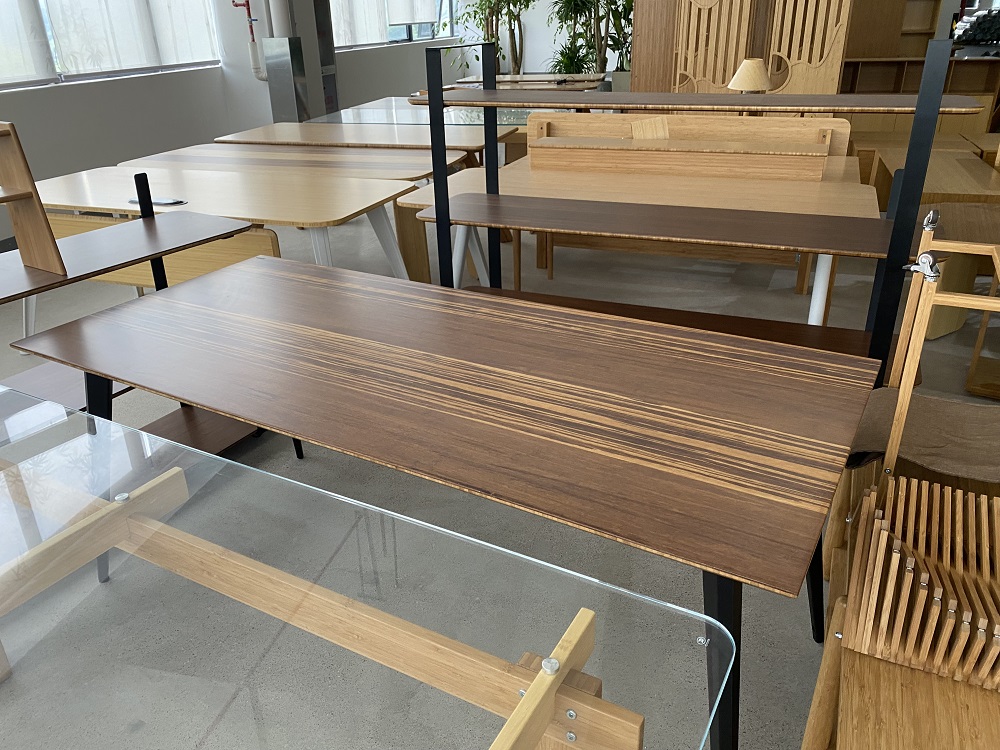
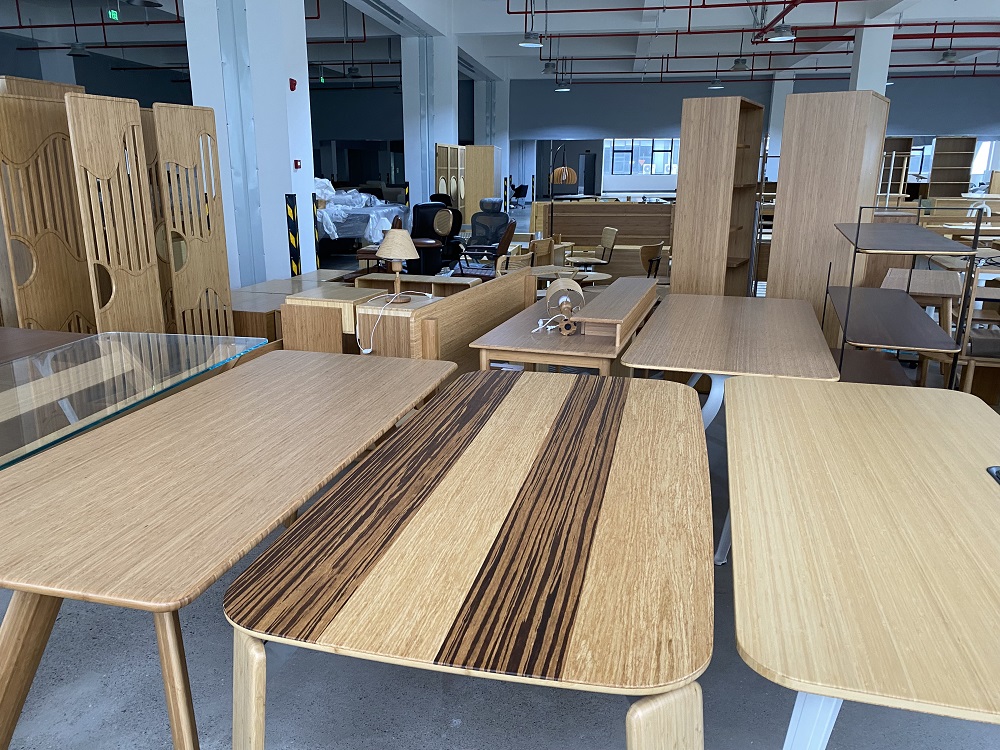
Natural bamboo presents a vastly superior alternative due to its unique structural density. Biologically classified as a fast-growing grass rather than a traditional timber, bamboo develops dense cellulose fibers that, when stripped, kiln-dried, and laminated into solid panels, yield remarkable hardness and tensile strength.
Solid bamboo desktops are typically constructed using multi-ply vertical or horizontal lamination techniques, or through high-density strand woven compression. A three-ply cross-laminated bamboo desktop features alternating grain directions across its inner layers. This cross-ply construction eliminates internal tension, preventing the board from warping, bowing, or cupping when exposed to ambient temperature changes or humidity shifts.
In terms of surface durability, mature Moso bamboo achieves a Janka hardness rating that surpasses traditional domestic hardwoods such as Red Oak and Black Walnut. This high density allows the surface to resist scratches from writing utensils, dents from dropped office supplies, and pressure marks from heavy monitor clamp bases.
Furthermore, bamboo possesses natural moisture-resistant properties when sealed with high-performance polyurethane or UV-cured waterborne finishes. Daily coffee spills, water condensation from drinking glasses, and rubbing from computer mice can be cleaned easily without swelling or edge delamination.
Environmental Sustainability and Eco-Conscious Design
For environmentally conscious professionals, material sourcing is just as important as physical durability. Traditional hardwood desks often rely on timber harvested from slow-growing forests that require forty to eighty years to mature. Clear-cutting mature hardwoods disrupts local ecosystems, destabilizes soil structures, and contributes to long-term deforestation unless strictly managed.
Bamboo stands out as one of the most rapidly renewable plant materials on the planet. Moso bamboo reaches its full height of over twenty meters within a single growing season and matures fully within five years. Because bamboo grows via an extensive underground rhizome root network, harvesting the above-ground culms does not kill the plant. The root system remains intact, continuously shooting up new stalks year after year without requiring replanting, synthetic fertilizers, or intensive irrigation.
In addition to rapid regrowth, mature bamboo forests sequester carbon dioxide at a rate higher than many traditional tree species, releasing significant oxygen back into the atmosphere. When converted into long-lasting office furniture, the carbon absorbed by the bamboo fibers remains locked within the solid desktop for decades.
Choosing a bamboo workstation allows remote workers to reduce their environmental footprint without sacrificing the luxurious grain patterns, tactile warmth, and structural solidness associated with natural hardwood furniture.
Dual-Motor Frame Stability and Weight Distribution
While a solid bamboo top provides the tactile foundation, the motorized lifting frame determines the workstation’s functional performance, lifting capacity, and operational noise level. A beautiful desktop attached to a shaky, underpowered frame leads to frustration every time the desk rises to standing height.
High-quality standing desk frames utilize dual-motor drive systems, placing a dedicated electric motor inside each leg column. Dual-motor configurations offer several distinct advantages over budget single-motor setups that rely on a single central motor driving a hex rod across the frame.
Dual-motor frames deliver smooth, synchronized lifting power capable of handling static loads between one hundred and one hundred and fifty kilograms. This heavy weight capacity allows users to mount multiple heavy monitors, desktop computers, studio speakers, and heavy steel monitor arms without straining the drive mechanism.
Dynamic stability at maximum height represents a critical performance metric. Cheap desk frames often feel sturdy at sitting height but wobble unacceptably when raised above one hundred centimeters. High-grade frames mitigate top-heavy shaking by incorporating thick, cold-rolled steel leg columns, wide steel foot bases, and precision-machined internal glide pads.
Travel speed and sound dampening also differentiate premium frames. Smooth motors move the desktop up and down at speeds exceeding thirty-five millimeters per second while keeping operational sound levels below fifty decibels. This quiet movement allows users to adjust their position during phone calls or video conferences without creating disruptive mechanical noise.
Digital control pads with programmable memory presets elevate the user experience further. Allowing users to save their exact preferred sitting and standing heights ensures that transitions happen instantly at the touch of a single button, removing any friction from maintaining an active sit-stand routine.
Evaluating Cable Management, Accessories, and Workspace Cleanliness
A clean, uncluttered workstation directly contributes to mental clarity and daily productivity. Because a sit-stand desk moves up and down continuously, managing power cords, monitor cables, and peripheral wires becomes a necessity rather than an option. Unmanaged cables can snag on surrounding furniture, pull computer ports during lifting cycles, or create an unsightly mess beneath a sleek bamboo desktop.
Professional ergonomic workstations incorporate integrated cable management systems. Under-desk wire trays mounted directly to the underside of the bamboo desktop keep power strips, surge protectors, and bulky laptop power bricks off the floor. Heavy-duty flexible cable spine snakes gather trailing cords into a single clean conduit that expands and contracts smoothly as the desk moves.
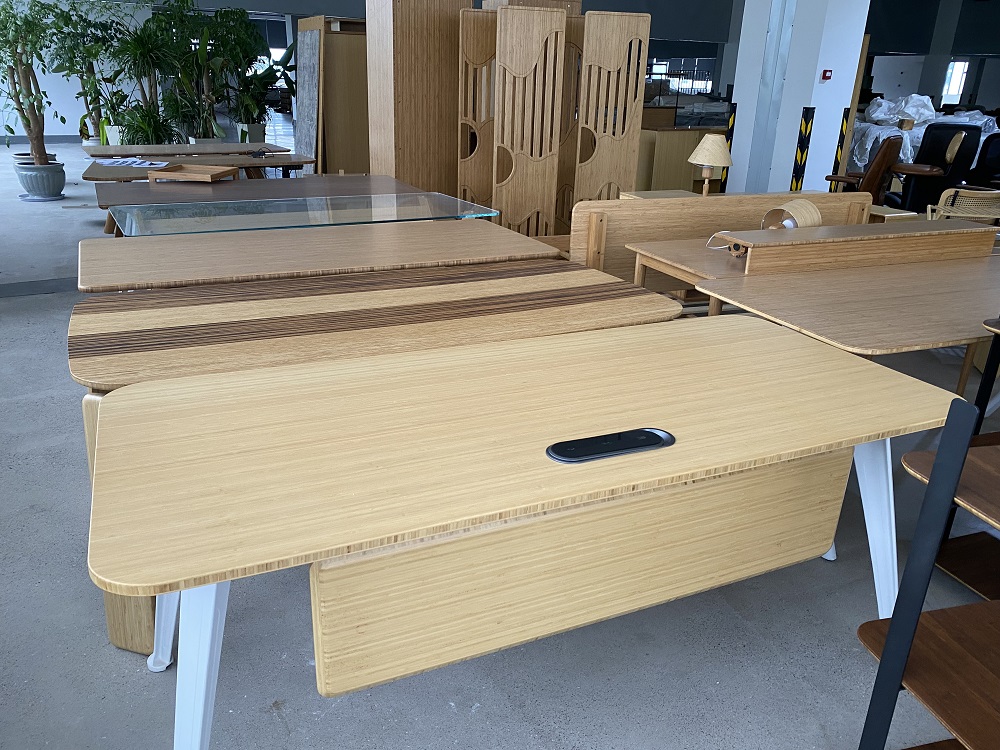
Adding accessory mounts further expands the functional utility of the workstation. Under-desk CPU holders keep the computer tower attached directly to the frame, reducing the length of monitor cords required. Flush-mounted grommet holes or edge-mounted pop-up power modules built into the bamboo surface provide easy access to USB charging ports and AC outlets without cluttering the main work area.
Combining a spacious, warm bamboo surface with a completely concealed cable system results in a minimalist, architectural home office aesthetic that feels organized, inviting, and conducive to deep focus.
Long-Term Health, Productivity, and Financial Value
Determining whether an eco bamboo standing desk is worth the investment ultimately requires weighing the upfront purchase price against the long-term returns in health, comfort, and productivity.
From a financial standpoint, a commercial-grade sit-stand desk featuring a solid bamboo top and a heavy-duty dual-motor steel frame costs more than basic static office furniture. However, viewing the purchase as a long-term tool for occupational health paints a different picture.
Reducing physical discomfort directly improves daily focus, working endurance, and task efficiency. Professionals who transition between sitting and standing report fewer afternoon fatigue slumps, less chronic neck and upper back tightness, and improved energy levels throughout the workweek. Preventing chronic spinal issues and repetitive strain injuries also reduces potential medical expenses, physical therapy bills, and lost working hours over time.
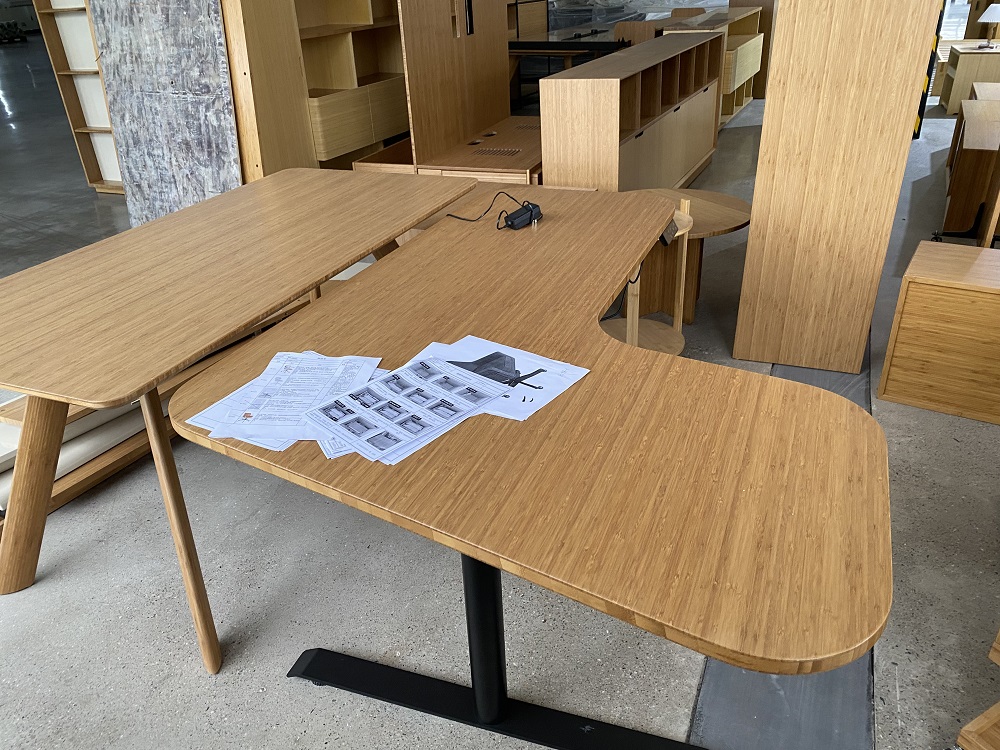
Furthermore, the physical durability of solid bamboo ensures that the desk top remains in excellent condition across years of constant use. Unlike cheap paper-laminate desks that require replacement every few seasons due to chipping, peeling, or sagging, a well-cured bamboo desk provides decades of dependable service.
When evaluating material longevity, ergonomic performance, motor reliability, and sustainable manufacturing, an eco bamboo standing desk represents one of the most practical and rewarding upgrades a remote professional or business can make to their working environment.