Bamboo Plywood Is the Preferred Choice for Laser Cutting Professionals and Craftsmen


Precision fabrication relies heavily on the physical characteristics of the substrate being processed. Whether using CO2 laser tubes, fiber laser systems, or high-powered diode lasers, makers and industrial fabricators constantly test materials for edge quality, structural stability, cut speed, and visual appeal. For decades, cabinet-grade birch plywood, Baltic birch, and cast acrylic dominated the laser workshop. However, a significant shift has occurred across digital fabrication spaces, architectural model shops, and custom sign-making studios. Experienced operators are turning to multi-layer bamboo plywood as their primary sheet material for demanding vector cutting and raster engraving projects.
The preference for multi-layer bamboo is not merely an aesthetic trend. It stems from the unique structural makeup of engineered bamboo, the mechanics of thermo-mechanical processing, and how laser energy interacts with dense lignocellulosic fibers. Understanding why laser professionals favor multi-layer bamboo plywood requires examining material behavior, edge response, structural integrity under high heat, and long-term performance in finished products.
The Physics of Laser Cutting Laminated Bamboo
Laser cutting is fundamentally a thermal ablation process. High-density photon beams focus on a concentrated point, instantly vaporizing material while pressurized air assist sweeps away charred particulates and gases. The clean execution of this process depends on material consistency. If a sheet has internal voids, density variations, or pockets of heavy adhesive, the laser beam encounters varying levels of thermal resistance. This results in incomplete passes, excessive edge charring, or flared undersides.
Traditional softwoods and standard hardwoods present inherent challenges under a laser head. Annual growth rings contain alternating bands of soft springwood and hard summerwood, causing uneven vapor rates. Additionally, softwood knotholes and pitch pockets reflect or absorb heat unpredictably.
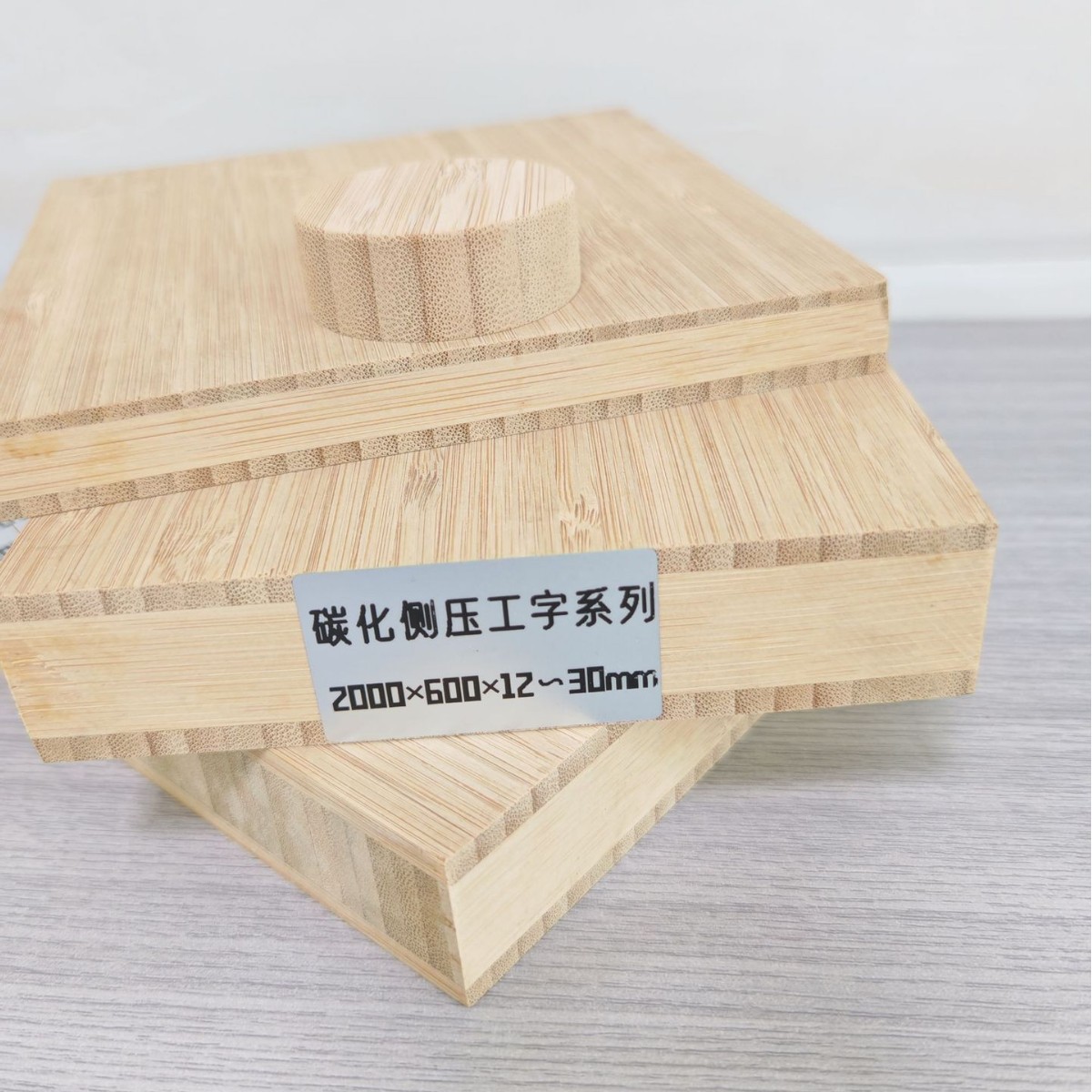
Multi-layer bamboo plywood solves these inconsistencies through its manufacturing architecture. Bamboo is a giant grass composed of long, parallel vascular bundles held together by natural lignin. When processed into thin veneers and stacked in alternating grain directions under intense hydraulic pressure, the resulting sheet exhibits uniform density across every square millimeter. As the laser focal point moves through multi-layer bamboo, the resistance remains constant. This consistency allows laser operators to dial in exact speed, power, frequency, and air assist settings, producing reliable results across entire production runs.
Cross-Lamination and Structural Integrity in Intricate Vectors
One of the most frustrating issues in laser cutting thin sheet materials is heat-induced warping and grain splitting. When a laser cuts intricate patterns, such as delicate mandalas, living hinges, architectural screens, or fine gears, it concentrates high localized heat within tight zones. In single-layer woods or parallel-laminated veneers, this thermal stress releases internal tension, causing delicate features to cup, twist, or snap along the natural grain line.
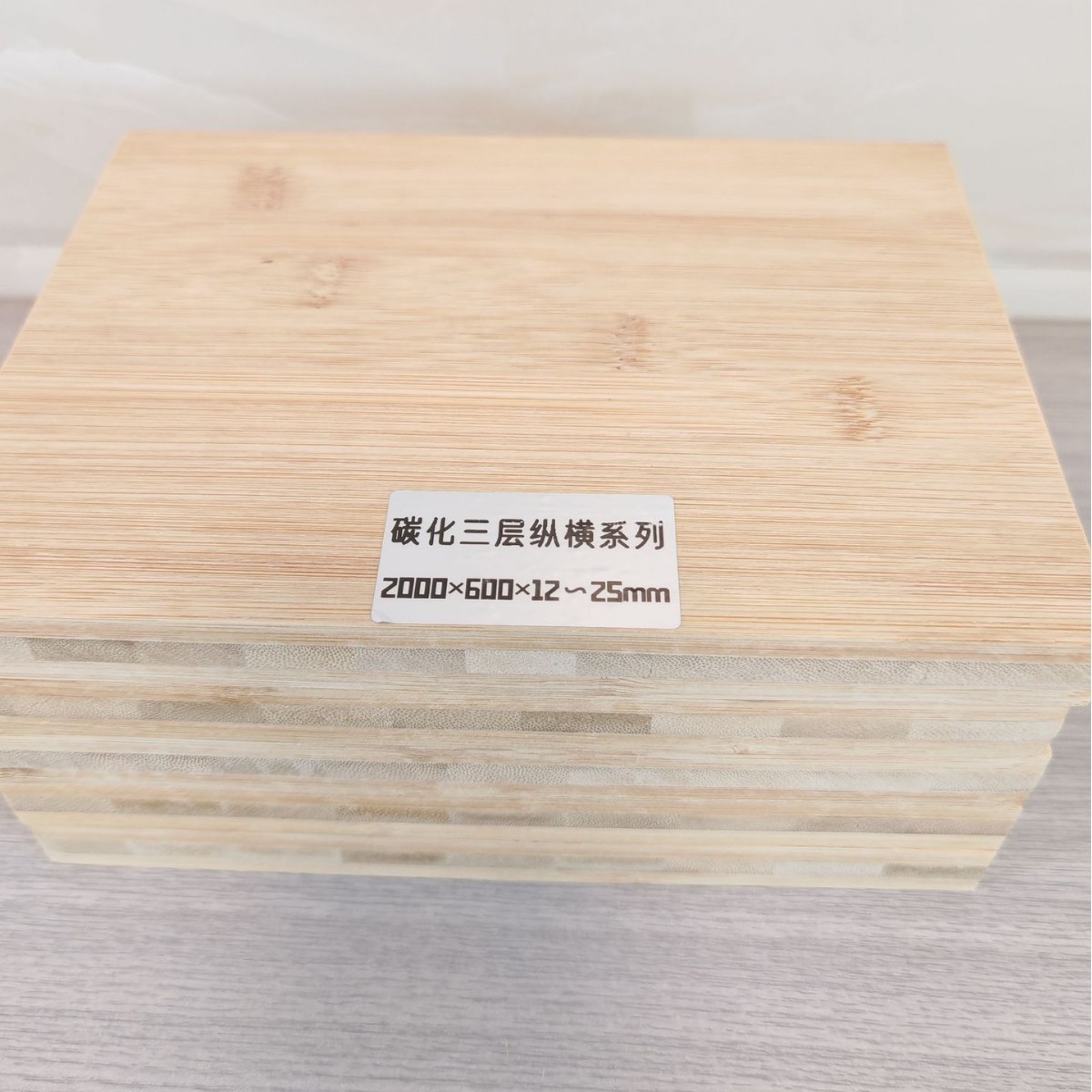
Multi-layer bamboo plywood neutralizes internal stress through cross-lamination. In a typical three-ply or five-ply bamboo sheet, each layer is laid down at a ninety-degree angle relative to the adjacent layer. This cross-grain construction counterbalances expansion and contraction forces.
When the laser beam cuts through a multi-layer stack:
- The perpendicular layers lock the surrounding fibers in place, preventing micro-fractures from traveling down the grain.
- Delicate vector bridges as thin as one millimeter maintain their flat profile without curling upward toward the laser nozzle.
- Living hinges cut into multi-layer bamboo retain flexural strength along the bend axis while resisting lateral tearing, outperforming Baltic birch hinges which often fail along inner veneer flaws.
This dimensional stability allows craftsmen to push vector designs to extreme limits, cutting intricate lace-like geometry that would shatter under mechanical CNC milling or warp severely when cut from standard sheet goods.
Edge Quality, Char Resistance, and Adhesive Composition
Edge finish is a defining factor in professional laser cutting. Dark, soot-heavy edges dirty hands, ruin light-colored surface finishes, and require extensive post-processing like sanding or chemical wiping. The severity of edge charring is directly linked to the moisture content, density, and glue composition within the sheet.
Standard exterior-grade plywoods often use thick, dark phenolic glues that boil and carbonize when struck by a laser, leaving greasy, black residue on the cut line. Multi-layer bamboo plywood engineered for craft and architectural applications uses specialized low-emission aliphatic or melamine-based adhesives applied in ultra-thin, highly controlled layers.
During ablation, these refined adhesives vaporize cleanly alongside the bamboo fibers rather than melting into sticky slag. Additionally, because high-density strand-woven or strip-laminated bamboo contains very little natural sap or pitch compared to pine, fir, or oak, the soot produced during cutting is dry and minimal.
Laser technicians frequently report the following edge characteristics when cutting multi-layer bamboo:
- Clean, rich amber to deep chocolate-brown cut edges rather than crumbly black soot.
- Significantly reduced smoke residue and flashback marks on the underside of the sheet when supported by a honeycomb vector table.
- A smooth, glassy edge feel that requires little to no post-cut hand sanding before assembly or finishing.
Superior Engraving Clarity and Contrast
Beyond vector cutting, raster engraving represents a massive portion of laser customization, from corporate awards and kitchenware to detailed artwork and signage. Multi-layer bamboo provides an exceptional canvas for laser engraving due to its unique natural fiber structure and response to thermal carbonization.
Bamboo fibers contain natural sugars and starch complexes that react readily to heat. When hit by a laser raster beam set to light or medium power, the bamboo surface turns a warm brown color through localized caramelization, without needing deeply burned grooves. This allows operators to achieve crisp vector text, clear barcodes, and subtle photographic gradient shading at shallow engrave depths.
Furthermore, multi-layer bamboo sheets are available in two distinct grain styles, each offering unique visual outcomes:
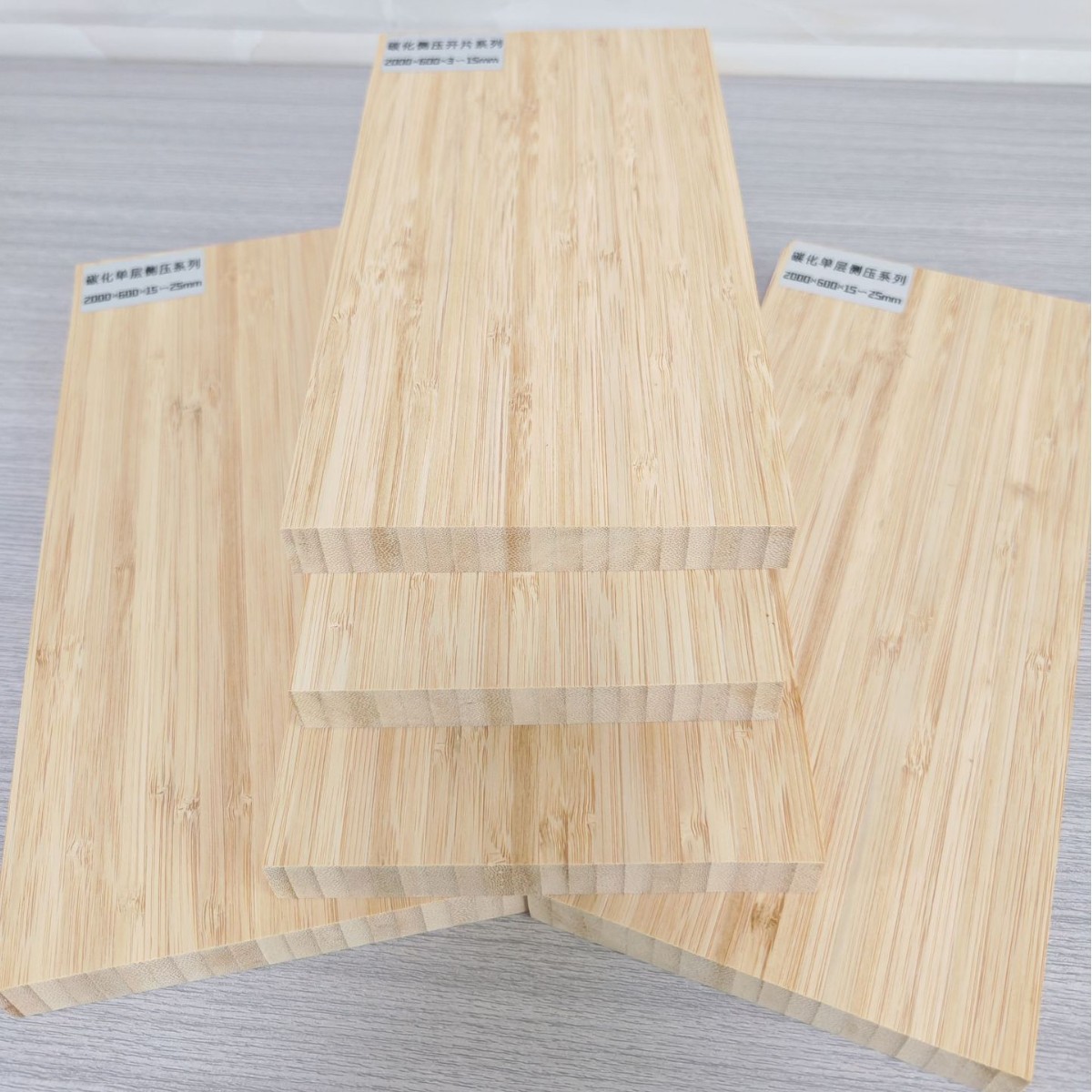
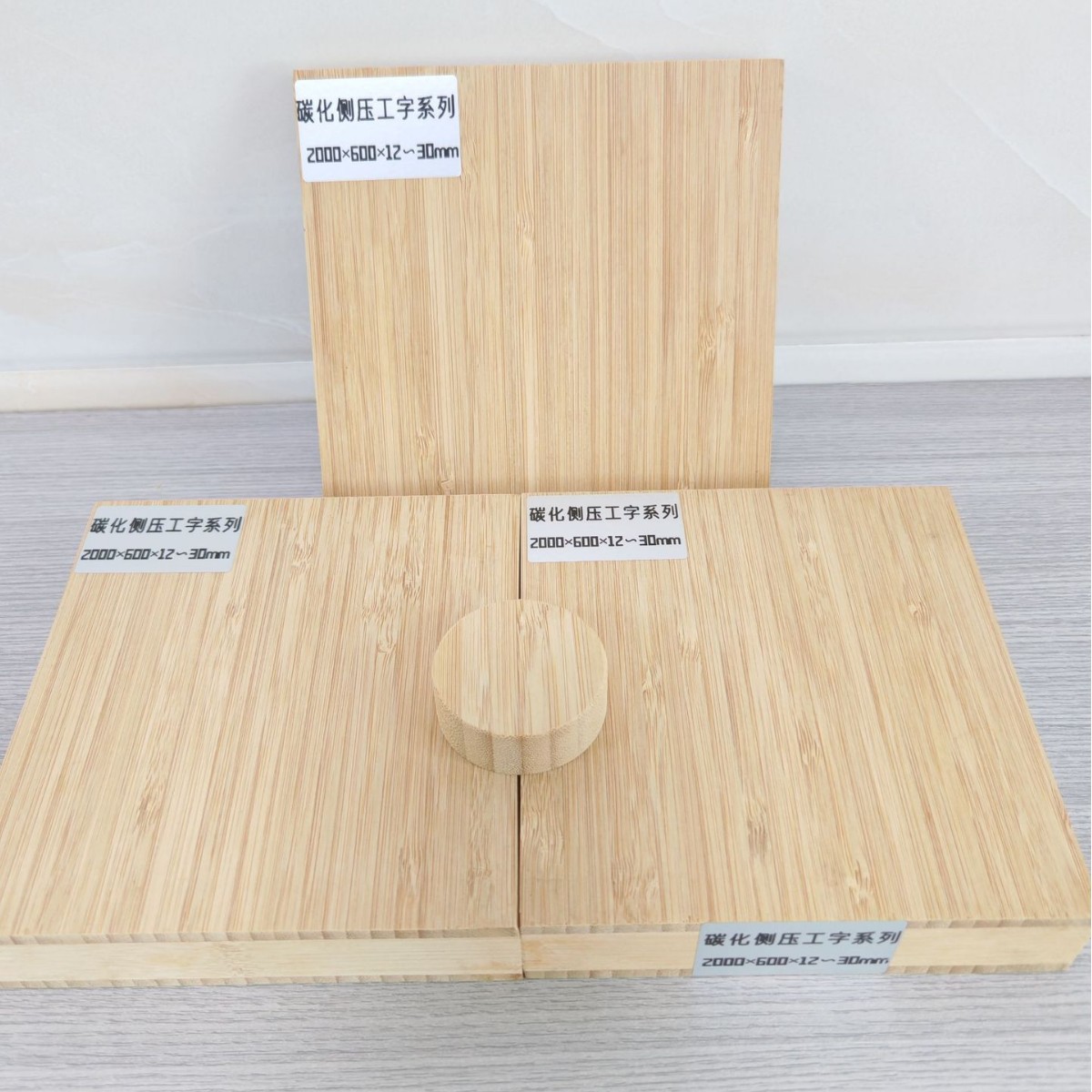
Vertical Grain Bamboo: Composed of narrow bamboo strips glued edge-to-edge, vertical grain creates a subtle, pinstriped background pattern. This uniform grain does not visually compete with detailed photo engravings or small text fonts.
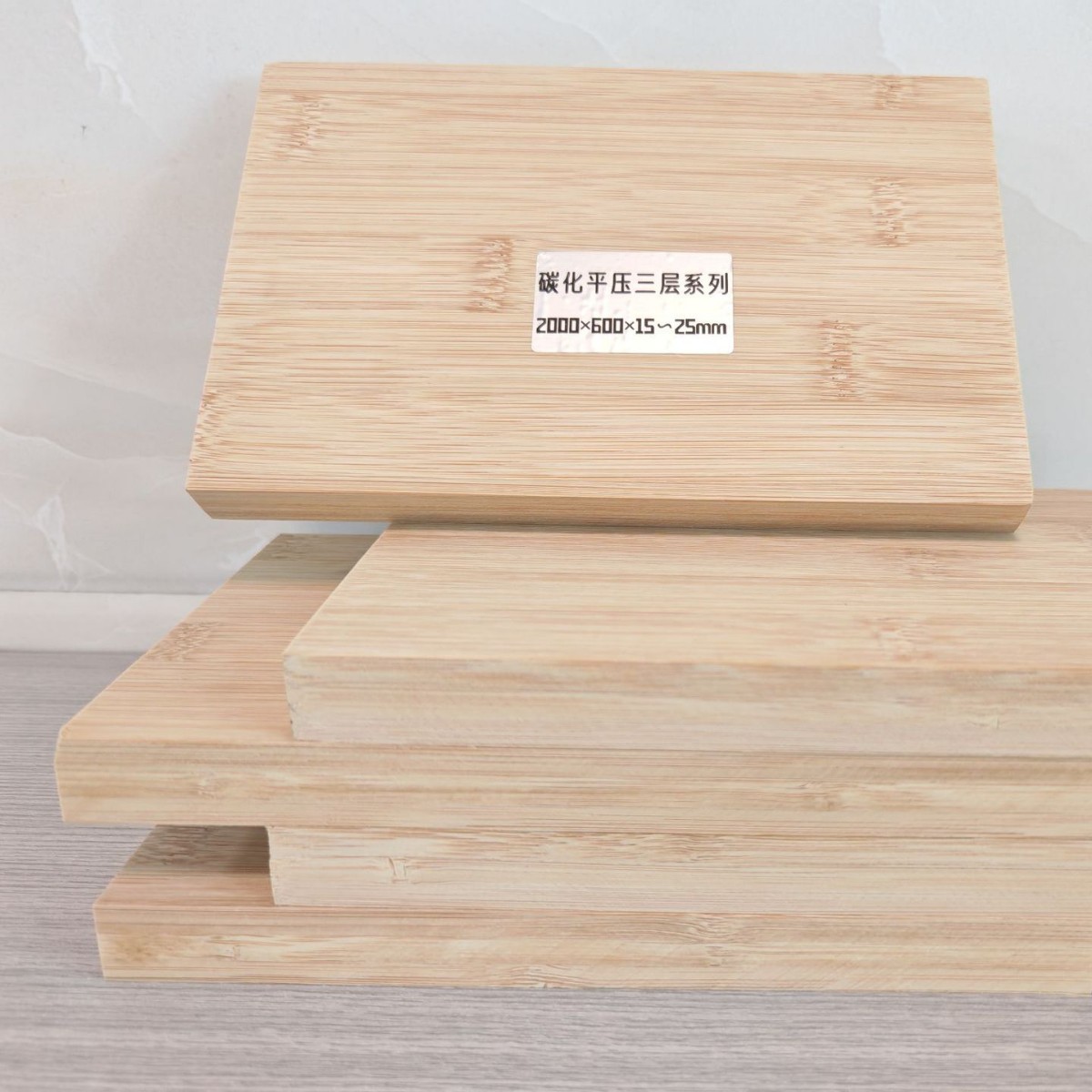
Horizontal Grain Bamboo: Features wide, distinct nodes or knuckles characteristic of the natural bamboo stalk. Engraving across horizontal bamboo creates a high-contrast look that highlights the raw material aesthetic, highly favored for rustic decor, cutting boards, and custom displays.
Because the top face veneer of multi-layer bamboo is factory-sanded to a fine grid before shipping, laser burn depth remains consistent across large surface areas, eliminating light and dark spots caused by uneven thickness.
Kerf Management and Tight Mechanical Tolerances
In precision manufacturing, such as press-fit joinery, interlocking 3D puzzles, or mechanical enclosures, kerf width—the amount of material vaporized by the laser beam—must be precise. Variable kerf leads to loose joints that fall apart or overly tight joints that crack during assembly.
Because multi-layer bamboo maintains consistent physical density and zero internal air pockets, the laser beam maintains a stable kerf angle from top to bottom. In low-density woods, the beam tends to flare outward inside internal voids, creating an hourglass-shaped cut profile. In multi-layer bamboo, the kerf remains tight and linear.
Craftsman designing finger joints, mortise-and-tenons, or box joints can calculate kerf offsets down to fractions of a millimeter. When assembled, the natural spring-like elasticity of dense bamboo fibers creates a firm friction fit that holds tight even before applying wood glue.
Material Efficiency and Sheet Consistency
Production efficiency in a commercial laser shop relies on predictable material behavior across large batches. A major downside of standard wood plywood is hidden internal defects. A machine operator might spend forty minutes laser-cutting an intricate nested layout, only to discover that a hidden glue pocket or internal void halfway through the sheet prevented complete burn-through, ruining the entire piece.
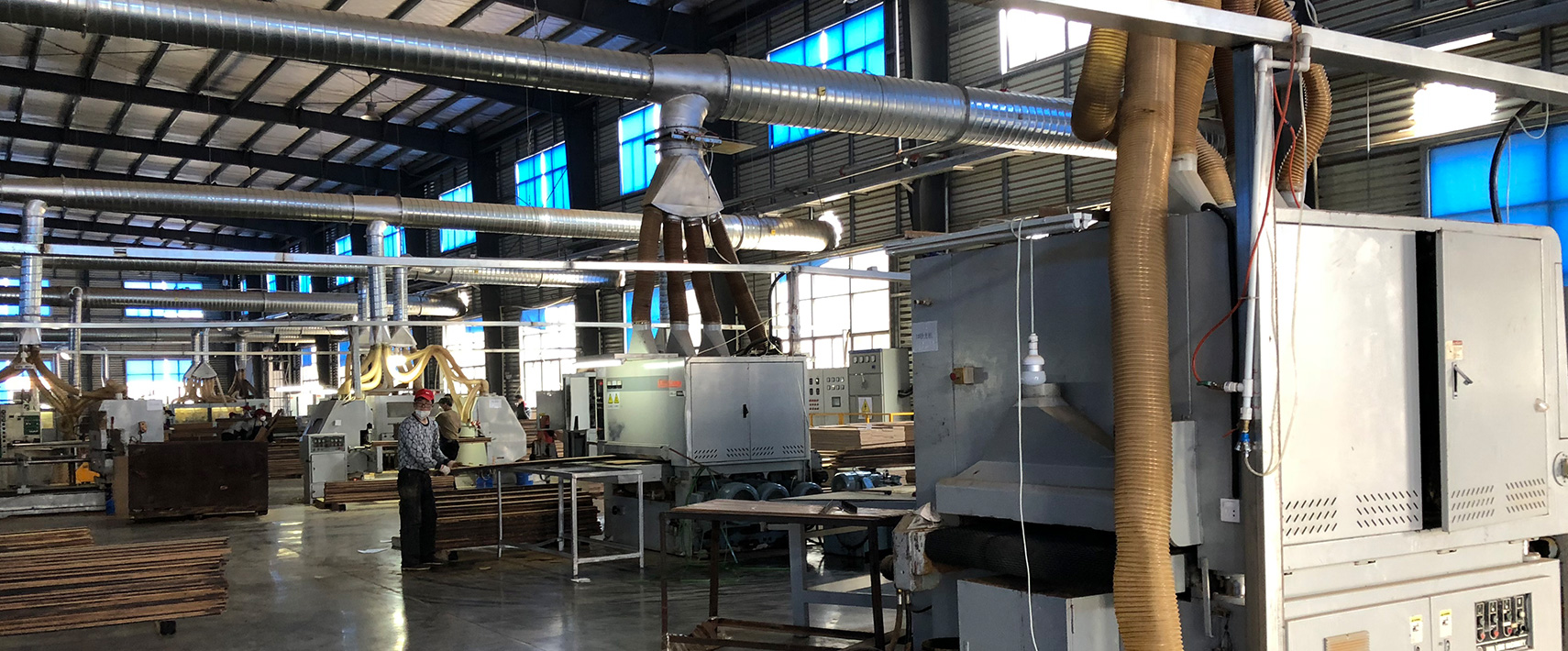
Multi-layer bamboo sheet goods undergo rigorous industrial sorting and pressing operations. The bamboo strips used for each layer are inspectable before lamination, drastically reducing hidden flaws, core gaps, or density drops.
This reliability offers clear practical advantages:
- Minimal material waste due to failed cuts or unburned sections.
- Predictable cutting profiles across different production batches, reducing test-fire setup time.
- Flat, level sheet surfaces that stay within the laser beam’s optimal focal plane without requiring excessive hold-down clamps or vacuum table pressure.
Finishing Flexibility and Post-Processing Efficiency
Once pieces leave the laser bed, multi-layer bamboo takes finishes exceptionally well. Because the surface is dense and pre-sanded, it does not absorb excessive amounts of liquid stain, lacquer, or mineral oil.
For food-safe items like serving boards or coaster sets, a simple coat of food-grade mineral oil or beeswax enhances the natural grain and deepens the laser-engraved contrast instantly. For architectural installations or furniture components, clear polyurethane, spray lacquer, or hard-wax oils seal the edges and face, creating a durable surface that resists moisture and UV fading.
In projects where the laser-cut edge is left visible as an architectural accent, the distinct alternating lines of the cross-ply layers create a striking two-tone stripe effect along the profile. Designers frequently use this exposed multi-layer edge as a decorative feature in modern furniture, lighting fixtures, and retail displays.
Sustainable Fabrication and Environmental Appeal
Modern consumers and commercial clients increasingly demand environmentally responsible materials. Traditional hardwoods like walnut, maple, or cherry take decades to reach harvest maturity, placing heavy demands on forest ecosystems.
Bamboo, technically a fast-growing grass species, reaches full structural maturity in four to five years. It regenerates naturally from its extensive underground root network after harvesting, requiring no replanting, artificial irrigation, or heavy chemical fertilizers.
For commercial laser shops, offering products made from multi-layer bamboo provides a clear competitive edge in eco-conscious markets:
- It provides a sustainable alternative to slow-growing hardwoods without sacrificing density or durability.
- It sequesters carbon rapidly during its growth phase, supporting green building certifications and zero-carbon initiatives.
- It appeals to corporate buyers searching for sustainable promotional products, interior signage, and branded merchandise.
Practical Guidelines for Laser Cutting Multi-Layer Bamboo
To achieve clean, professional results when working with multi-layer bamboo plywood, experienced operators follow several key setup steps:
Air Assist Optimization: Always run high-pressure air assist when vector cutting bamboo. High airflow rapidly cools the cut line, extinguishes localized embers, and blasts vaporized resin away from the top surface, keeping edge discoloration to a minimum.
Focal Length Selection: Use a medium focal length lens, such as a two-inch or two-and-a-half-inch lens, for standard three-millimeter to six-millimeter multi-layer bamboo. This provides a balanced spot size with enough depth of field to keep the cut walls vertical across all internal layers.
Frequency and Pulse Rate: Set the laser pulse frequency high enough to allow overlapping thermal hits without melting the surface adhesive. On CO2 systems, running frequencies between five hundred to one thousand hertz delivers smooth cut faces.
Surface Protection: Apply low-tack painter tape or specialized laser masking paper over the sheet before cutting or engraving. This catches light smoke residue, allowing you to peel away soot marks completely and leave a pristine face finish.
A Versatile Substrate for Modern Digital Craftsmanship
Multi-layer bamboo plywood bridges the gap between raw natural aesthetic and engineered precision. Its high density, structural balance, clean cutting behavior, and environmental benefits make it a superior choice for laser cutting professionals, custom fabricators, and dedicated woodworkers.
By replacing traditional, void-prone plywoods with stable multi-layer bamboo, fabrication shops can reduce material waste, accelerate post-processing, and produce intricate, durable, high-end products that stand out in competitive markets.