Why Builders Choose Bamboo Beams for Lightweight Strength


Modern architectural engineering increasingly demands structural materials that balance high load-bearing capacity with manageable dead weight. For generations, structural frames relied almost exclusively on heavy steel girders, cast-in-place concrete, or large-dimension softwood glulam timbers. However, rising material shipping costs, stringent jobsite safety limits regarding crane usage, and tight project schedules have pushed structural engineers and general contractors to evaluate advanced organic alternatives.
Engineered bamboo beams have moved into primary structural specifications for commercial and residential framing. Manufactured through high-pressure compression and precise resin bonding, glueless or adhesive-bonded bamboo structural members combine remarkable tensile and flexural strength with a lower physical mass than traditional options. Examining fiber mechanics, jobsite assembly efficiency, environmental resilience, and overall cost structures reveals why construction professionals are turning to bamboo framing components.
Understanding Engineered Bamboo Beams
To evaluate structural performance, it helps to distinguish engineered bamboo structural members from round, raw bamboo poles used in traditional vernacular architecture.
Raw bamboo stalks feature hollow internodes and varying wall thicknesses along their length. While round stalks possess exceptional strength along their longitudinal axis, their tapered shape and round cross-section make connection joining and standardized load calculations difficult in code-compliant modern construction.
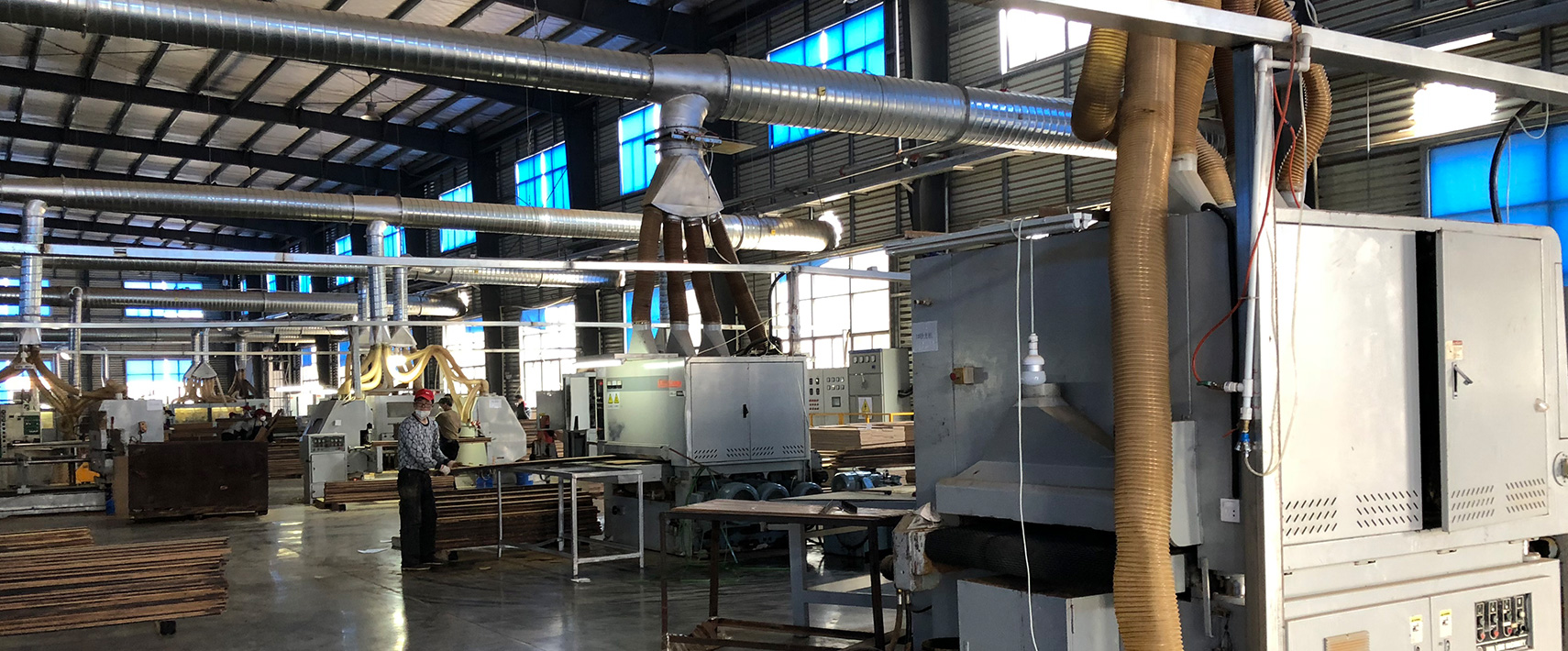
Engineered bamboo beams resolve these structural inconsistencies through industrial manufacturing. Stalks of mature giant bamboo are harvested, split into uniform longitudinal strips, treated against biological degradation, and kiln-dried to uniform moisture levels. These strips are coated with structural exterior-grade adhesives and pressed under high hydraulic pressure into dense, rectangular billets.
The resulting material—frequently referred to as glued-laminated bamboo or strand-woven structural bamboo—presents uniform mechanical properties, predictable load charts, and clean rectangular dimensions matching standard lumber sizes.
The Strength-to-Weight Advantage
The primary technical driver behind specifying bamboo structural members is their strength-to-weight efficiency. Construction teams measure structural materials not merely by peak breaking strength, but by how much self-weight the structural framework adds to the foundation requirements.
Exceptional Tensile Strength
Natural bamboo fibers feature a high concentration of longitudinal vascular bundles. When compressed into structural billets, these dense fiber strands provide tensile strength that rivals structural mild steel along the direction of the grain.
In beam applications, high tensile strength along the bottom tension zone allows bamboo glulam beams to resist mid-span bending under heavy floor or roof loads without requiring excessive vertical depth.
High Modulus of Elasticity
Flexural rigidity determines how much a horizontal support beam deflects under live loads. Engineered bamboo displays a high modulus of elasticity, outperforming conventional Douglas fir and Southern yellow pine glulam members of identical cross-sectional area.
This rigidity allows structural engineers to specify thinner, shallower bamboo beams over long spans where standard timber beams would sag or require intermediate support columns.
Lower Dead Load on Foundations
Despite possessing structural characteristics that approach steel, engineered bamboo maintains a density comparable to dense hardwoods. Substituting heavy steel beams or thick solid-timber headers with bamboo glulams significantly reduces total dead load carried by structural footings and load-bearing walls. Lower dead loads reduce concrete foundation depth requirements, lowering overall site excavation and material costs.
Jobsite Efficiency and Structural Handling
Weight directly impacts labor costs, equipment requirements, and installation safety on active construction jobsites.
Reduced Heavy Equipment Dependence
Heavy steel girders and thick solid oak beams require heavy cranes, boom trucks, and dedicated rigging crews even for modest residential roof installations. Moving multi-ton steel sections into tight urban infill sites or steep mountain plots presents major logistical hurdles.
Bamboo structural beams offer a lighter alternative for equivalent load capacity. Mid-sized bamboo headers and rafters can often be positioned using compact material lifts, telehandlers, or small crew rigging set-ups, eliminating the high daily rental fees and scheduling delays associated with mobile crane dispatch.
On-Site Workability and Fastener Performance
Unlike structural steel, which requires certified on-site welders or complex torch-cutting for unexpected site adjustments, bamboo structural timbers can be worked with standard heavy-duty carpentry tools.
-
Cutting and Trimming: Contractors can cut bamboo glulams to precise length using carbide-tipped framing saws on-site.
-
Drilling and Bolting: Engineered bamboo holds structural bolts, lag screws, and timber rivets securely. The dense, cross-laminated fiber matrix resists splitting when structural fasteners are driven near beam ends, providing high shear capacity at column-to-beam connection points.
-
Custom Notching: Beam ends can be notched or pocketed to fit custom steel connector plates without causing longitudinal splitting along the grain lines.
Environmental Resilience and Fire Resistance
Structural members inside modern building envelopes must withstand moisture fluctuations, seismic movement, and fire risks throughout their intended service lives.
Dimensional Stability against Moisture
Traditional solid timber beams absorb ambient air moisture unevenly, leading to twisting, checking, crowning, and longitudinal splitting as seasons change.
The manufacturing process for strand-woven and laminated bamboo breaks raw stalks down into thin strips, exposing them to high-temperature drying and thermal caramelization. Combined with waterproof structural resins, this process creates a dimensionally stable billet that resists warping, shrinking, and swelling in humid environments.
Natural Seismic Flexibility
Seismic design relies on ductility—the ability of a structural frame to absorb and dissipate energy during ground motion without catastrophic sudden failure.
Bamboo possesses high natural elasticity. When assembled with engineered steel connectors, bamboo beam-and-column frames flex slightly under lateral earthquake forces, absorbing energy and returning to their original alignment with minimal structural fracture.
Predictable Charring Rates during Fire Exposure
Heavy timber and engineered bamboo behave predictably when exposed to fire. Unlike steel, which loses its structural integrity rapidly when temperatures exceed critical thresholds, dense bamboo beams form an outer insulating char layer when exposed to flames.
This slow, predictable charring rate protects the interior uncharred core of the beam, allowing the structural member to maintain its load-bearing capacity for extended periods during evacuation and firefighting operations. Engineered bamboo beams frequently meet strict two-hour fire resistance ratings without requiring thick fireproof chemical sprays.
Economic and Strategic Value for Building Contractors
While raw material purchase prices for engineered bamboo beams may sit above low-grade softwood lumber, evaluating the total installed cost demonstrates clear economic value across the project timeline.
Accelerated Installation Schedules
Lighter beams that are easy to maneuver allow framing crews to complete structural framing phases faster. Reducing structural framing duration lowers total labor hours, minimizes overhead costs for temporary site rentals, and allows interior trades to begin work earlier.
Long-Span Open Floor Concepts
Modern commercial spaces and residential floor plans favor long, open spans uninterrupted by intermediate support posts. Achieving long spans with traditional softwoods requires deep box beams or steel flitch plates. Bamboo beams achieve wide open spans with lower profile depths, maximizing interior ceiling height and architectural design flexibility.
Renewable Supply Chain Stability
Hardwood and softwood timber supplies face supply volatility caused by strict harvest quotas, wildfire impacts, and slow timber maturation cycles.
Giant bamboo species reach full structural maturity within five years and regenerate continuously from living root systems without replanting. This rapid agricultural yield provides a stable, long-term raw material pipeline that protects manufacturers and contractors from volatile structural material shortages.
Key Considerations for Structural Specification
To ensure successful installation, structural engineers and general contractors should follow specific design and handling protocols when specifying bamboo glulam beams:
-
Verify Structural Testing Certificates: Ensure bamboo structural members comply with local building code requirements, such as ICC-ES evaluation reports or equivalent national structural timber testing standards.
-
Protect Material in Transit: While engineered bamboo features high moisture resistance, store beams off the ground on level dunnage and keep them covered with breathable tarps prior to roof installation.
-
Specify Approved Hardware: Use hot-dipped galvanized, stainless steel, or proprietary coated structural fasteners to prevent chemical reactions between wood treatment salts and metallic hardware in exterior exposures.
-
Apply UV Protective Sealers: For beams exposed to direct outdoor sunlight, apply marine-grade UV-blocking finishes to preserve natural fiber color and prevent surface weathering.
Summary
Choosing structural materials requires balancing load-bearing strength, dead weight, jobsite handling, long-term durability, and environmental impact. Engineered bamboo beams provide structural engineers and builders with a high-performance alternative to traditional steel and heavy timber framing.
By combining high tensile strength and rigidity with manageable physical weight, bamboo glulams streamline jobsite installation, lower foundation loading, and expand architectural design options for modern commercial and residential structures.