What is Fossilized Bamboo Flooring? Why It’s the Toughest Eco-Friendly Choice

What is Fossilized Bamboo Flooring? Why It’s the Toughest Eco-Friendly Choice
When property owners look for modern building materials that combine visual warmth with unmatched structural endurance, strand woven fossilized bamboo flooring consistently stands at the top of the list. Building industry specialists, interior designers, and homeowners seeking sustainable renovations often compare traditional hardwoods with alternative materials. While standard bamboo gained popularity decades ago as a green alternative to timber, fossilized bamboo represents a massive technological leap forward. It takes the inherent renewable properties of fast-growing grass and converts them into a dense, rock-hard surface that outlasts almost every traditional hardwood on the market.
Understanding what makes this material so extraordinarily tough requires a close look at how it is made, how it performs under daily stress, where it fits best in modern interiors, and how it compares with other premium flooring choices.
Defining Fossilized Bamboo Flooring
Despite its name, fossilized bamboo does not involve ancient fossils or millions of years buried under geological sediment. Instead, the term describes a high-tech manufacturing method that mimics the intense pressure and density found in petrified natural materials. In simple terms, fossilized bamboo is ultra-dense strand woven bamboo produced under extreme thermal and mechanical compression.
Standard bamboo flooring typically comes in two classic styles: vertical and horizontal. In those traditional styles, raw bamboo stalks are sliced into rectangular strips and glued side-by-side or stacked on top of one another. While attractive and relatively sturdy, traditional bamboo displays a Janka hardness rating between 1,200 and 1,400 pounds-force, which is roughly comparable to standard red oak or carbonized maple.
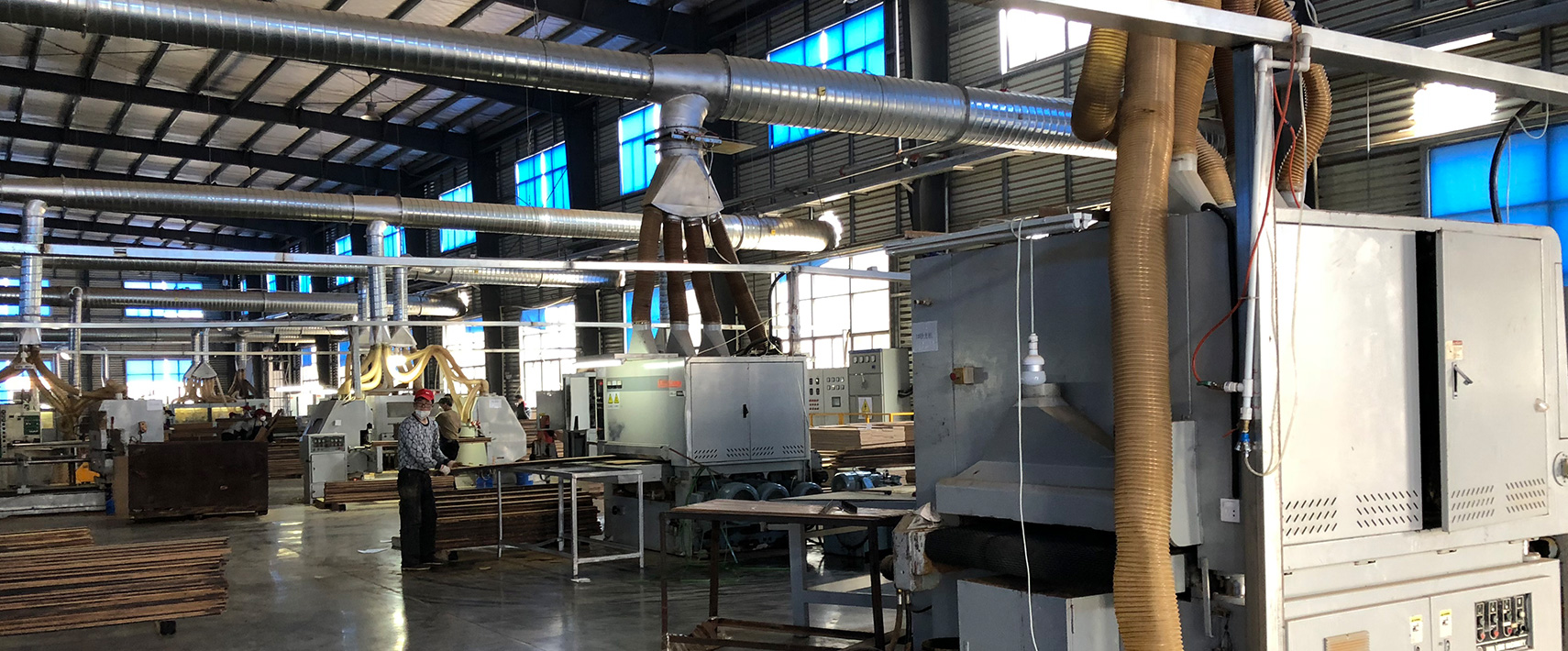
Fossilized strand woven bamboo follows a completely different process. Instead of gluing flat strips together, manufacturers shred mature bamboo stalks into loose, raw cellulose fibers. These long fibers are soaked in eco-friendly adhesives, dried thoroughly, and placed into massive hydraulic heat presses. Under thousands of tons of continuous pressure and controlled heat, the loose fibers fuse together into solid, high-density logs. Once cured, these dense timber blocks are milled into precision floorboards with precise tongue-and-groove or click-lock profiles.
The resulting material achieves a Janka hardness score often exceeding 3,000 to 5,500 pounds-force. That makes fossilized bamboo more than two to three times harder than traditional oak, hickory, or maple, earning it a reputation as one of the toughest flooring choices on earth.
The Engineering Behind Exceptional Hardness
To appreciate why fossilized bamboo handles heavy foot traffic, falling objects, and pet claws with ease, one must look at the natural structure of the raw plant combined with modern strand-weaving techniques.
Moso Bamboo Maturity
The process starts with Moso bamboo harvested between five and seven years of growth. At this stage, the bamboo culm reaches its peak structural density and fiber flexibility. Harvesting bamboo at this age ensures that the cellular walls of the fibers are fully calcified, offering optimal tensile strength before the plant naturally decays.
Fiber Separation and Resin Infusion
Unlike timber milling, which wastes substantial raw wood as sawdust and offcuts, the entire stalk of the bamboo plant is utilized. The outer skin is stripped, and the inner walls are crushed into long, intertwined fiber strands. These strands are submerged in low-VOC resins. Advanced manufacturing uses phenol-formaldehyde resins that bind completely during heat treatment, emitting virtually zero off-gassing once fully cured.
Extreme Thermal Compression
The magic of the fossilization process lies in the hydraulic press. Fiber bundles are compressed under pressures exceeding three thousand tons while subject to high temperatures. This intense heat and pressure cause the resin to bond irreversibly with the bamboo cellulose, crushing all microscopic air pockets, voids, and cellular cavities. The internal structure becomes so compacted that the final product behaves more like dense composite steel or stone than organic vegetation.
Milling and Protective Coatings
After the dense blocks cool and stabilize over several weeks, specialized diamond-tipped saw blades cut the blocks into individual planks. Because the material is so dense, standard woodworking tools would dull almost instantly. The milled planks then receive multiple layers of aluminum oxide finish cured under ultraviolet light, creating a clear scratch-resistant shield across the wear surface.
Environmental Advantages of Strand Woven Bamboo
Sustainability remains one of the chief reasons property owners select fossilized bamboo over exotic hardwoods like Brazilian Cherry, Ipe, or Teak. Exotic hardwoods often require fifty to one hundred years to reach mature harvest age, contributing to deforestation, habitat destruction, and carbon loss in tropical rainforests.
Rapid Renewable Growth Cycle
Bamboo is botanically classified as a giant grass rather than a tree. It holds the world record for the fastest-growing plant on the planet, with certain species growing up to three feet in a single twenty-four-hour period. A Moso bamboo pole reaches full height and structural strength in five to seven years. When harvested, the underground root system remains alive and healthy, sprouting new shoots immediately without requiring replanting, soil tilling, or chemical fertilization.
Carbon Sequestration and Soil Protection
Active bamboo groves absorb significantly more carbon dioxide and release up to thirty-five percent more oxygen than an equivalent stand of hardwood trees. Because the root system stays intact during harvest, topsoil erosion is completely prevented, maintaining groundwater quality and surrounding ecosystem stability.
Indoor Air Quality Standards
Modern high-end fossilized bamboo manufacturers prioritize healthy indoor living environments. Look for products certified under recognized clean air standards, such as FloorScore or GREENGUARD Gold. These certifications confirm that the adhesives and finishes used during the thermal fusion process do not leach harmful volatile organic compounds into your living space.
Practical Benefits for Residential and Commercial Spaces
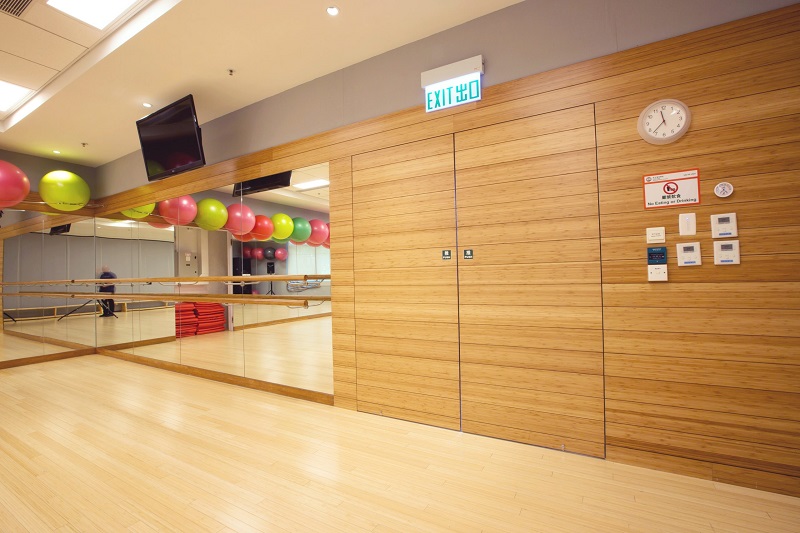
Investing in fossilized bamboo flooring yields long-term functional advantages that go far beyond surface beauty. Whether installed in a high-traffic urban coffee shop, a busy suburban family kitchen, or a minimalist office design, the material stands up to demanding environments.
Unmatched Resistance to Scratches and Dents
Household hazards like high heels, active large dogs, dragged furniture, and dropped kitchen pots leave permanent gouges in standard pine, oak, or walnut floors. The extreme density of fossilized bamboo absorbs heavy impact without indenting. While microscopic scratches in the top protective polyurethane layer can occur over decades of use, the structural core underneath remains unharmed.
Superior Dimensional Stability
Wood naturally expands and contracts when relative humidity shifts throughout changing seasons. This movement often causes gaps, cupping, or squeaking in traditional hardwood planks. Because fossilized bamboo fibers are crushed and reassembled in multi-directional patterns bound by resin, moisture penetration is drastically slowed down. Planks maintain their shape far better than standard solid hardwood, making them suitable for installation across wide temperature shifts.
Aesthetic Versatility and Natural Grain Patterns
Strand woven processes create striking, organic visual textures. Rather than traditional wood grain lines, fossilized bamboo displays flowing, marble-like patterns with subtle color variations. It is available in light natural tones, rich honey ambers, deep roasted carameled browns, and striking antiqued gray finishes. The color in darker shades is achieved through thermal carbonization—baking the raw bamboo to caramelize natural sugars throughout the fiber—meaning the color runs deep through the board rather than sitting merely on the surface.
Allergy-Friendly and Easy Maintenance
Dust mites, pet dander, pollen, and chemical residue cannot penetrate the non-porous finish of fossilized bamboo. Sweeping with a soft microfiber broom and occasional damp mopping with a neutral pH cleaner is all that is required to maintain its original lustre.
Comparing Fossilized Bamboo to Alternative Flooring Options
Evaluating how fossilized bamboo stacks up against other popular floor coverings helps highlight its specific strengths.
Fossilized Bamboo vs. Traditional Solid Hardwood
Solid hardwoods like red oak, white oak, and maple offer timeless charm, but they carry lower resistance to impact and wear. Red oak scores approximately 1,290 on the Janka hardness scale, whereas fossilized bamboo averages between 3,000 and 5,000. In high-traffic environments, oak will show heel marks and pet claw depressions significantly faster. Additionally, exotic hardwoods like Santos Mahogany or Ipe offer comparable hardness to fossilized bamboo, but they carry a much higher ecological footprint and a far steeper price point.
Fossilized Bamboo vs. Luxury Vinyl Plank
Luxury vinyl plank flooring has become popular due to its complete waterproof nature and budget-friendly pricing. However, vinyl plank is made from synthetic petroleum-based polyvinyl chloride, which does not offer the premium tactile feel, authentic warmth, or structural value of real plant fiber. Furthermore, vinyl cannot be sanded down or refinished down the road. Fossilized bamboo provides a genuine natural material that adds permanent equity to residential property while maintaining incredible toughness.
Fossilized Bamboo vs. Porcelain Tile
Porcelain tile is extraordinarily durable and completely impervious to water, but it creates a hard, cold surface underfoot that can amplify room acoustics and cause leg fatigue. Fossilized bamboo offers high strength while retaining the natural thermal insulation and comfortable underfoot resilience characteristic of organic fiber materials.
Essential Guidelines for Installation and Maintenance
Proper preparation and installation techniques ensure that a fossilized bamboo floor remains flawless for decades.
Subfloor Preparation and Moisture Testing
Before laying a single plank, the subfloor must be thoroughly inspected, cleaned, leveled, and dried. Concrete slabs must undergo relative humidity testing using embedded probes or calcium chloride kits to confirm moisture levels comply with manufacturer limits. For wood subfloors, moisture content differences between the subfloor plywood and the bamboo planks must stay within tight margins before installation begins.
Acclimation is Critical
Even though strand woven bamboo is dense, it still responds to ambient room humidity. Planks must sit inside the climate-controlled installation space for a minimum of five to seven days prior to fitting. Unbox the packages and stack the planks loosely to allow air to circulate around all sides. The home heating and cooling system should run at normal operating temperatures during this period.
Choosing the Right Installation Method
Fossilized bamboo is available in engineered profiles or solid profiles, offering flexible installation choices:
- Floating Click-Lock Method: Ideal for DIY projects and quick installations. Planks interlock along the edges without glue or nails, resting over an approved acoustic underlayment with a built-in moisture barrier.
- Direct Glue-Down Method: Preferred for high-end commercial spaces or installations over radiant heating systems. Using specialized moisture-curing urethane adhesives secures the planks directly to concrete subfloors, creating a solid sound underfoot.
- Nail or Staple Down Method: Used over wooden subfloors using heavy-duty pneumatic flooring nailers equipped with specific cleats designed for ultra-dense materials. Standard hardwood staplers will bend or split the tongue due to the immense density of fossilized bamboo.
Daily Care and Long-Term Preservation
Maintaining the floor’s original brilliance requires simple daily habits:
- Place high-quality non-rubber entry mats at outside doors to catch sand, grit, and moisture before foot traffic reaches the floor.
- Attach thick felt protector pads under all furniture legs to avoid scratches when moving chairs or tables.
- Clean up liquid spills promptly to prevent standing water from seeping into tongue-and-groove joints.
- Avoid using steam mops, harsh bleach, abrasive scouring powders, or wax-based polishes that leave dull residues on the polyurethane surface.
Long-Term Cost Value and Investment Appeal
While initial material costs for premium fossilized bamboo sit higher than basic laminates or low-grade traditional bamboo, the long-term return on investment is exceptional. Because the floor resists heavy wear without requiring frequent refinishing or early replacement, maintenance expenses over a twenty-year span stay remarkably low. Furthermore, homebuyers increasingly prioritize eco-conscious materials, making high-durability strand woven floors a strong selling point in modern real estate markets.
Selecting fossilized bamboo means embracing a material engineered to handle demanding residential and commercial life while respecting global forest resources. Its combination of natural elegance, rock-solid endurance, and rapid renewable sourcing makes it one of the most compelling choices for any forward-thinking building project.