Uplift Bamboo Desktop Workspaces: Ergo Meets Eco for the Greenest Home Office

Creating a modern home workspace involves making deliberate choices about comfort, health, and environmental impact. Setting up an ergonomic office desk requires looking beyond simple aesthetic appeal or basic height adjustments. Material selection plays a massive role in how a desk performs over years of daily use, how it affects indoor air quality, and how heavily it weighs on the environment. Combining ergonomic design with ecological responsibility has led many professionals to choose bamboo surfaces over traditional hardwoods or synthetic alternatives.
Bamboo stands out as a unique material in furniture manufacturing. Botanically classified as a fast-growing grass rather than a hardwood tree, bamboo possesses rapid renewal rates that traditional timber cannot match. When paired with high-performance adjustable standing desk frames, a well-crafted bamboo desktop creates an ideal balance between bodily support and environmental stewardship.
The Ecological Advantage of Bamboo Harvesting
Traditional hardwood furniture relies on trees such as oak, walnut, or maple, which can take anywhere from forty to eighty years to mature before harvesting. Once a timber tree is felled, the entire plant dies, leaving the surrounding root structure to decay and exposing topsoil to erosion. Forest regeneration after clear-cutting or selective logging requires decades to restore original biodiversity and canopy cover.
Bamboo operates under an entirely different growth cycle. Species like Moso bamboo reach full structural maturity within four to five years. The underground rhizome system remains intact and alive when individual culms are harvested. This root network continues to absorb nutrients and shoots up new stalks every spring without requiring replanting, synthetic fertilizers, or agricultural pesticides.
Continuous growth and harvesting cycles give bamboo extraordinary carbon sequestration capabilities. A healthy bamboo grove absorbs up to four times more carbon dioxide and releases thirty-five percent more oxygen than an equivalent stand of hardwood trees. Harvesting mature culms actually stimulates growth, encouraging the root system to generate new shoots and sequester carbon at an accelerated rate throughout its lifecycle.
Engineering Strength and Structural Integrity
A common misconception is that grass-derived materials lack the structural rigidity required for heavy office equipment. Raw bamboo culms are naturally hollow, but advanced manufacturing techniques convert raw bamboo stalks into solid, high-density furniture panels that rival or exceed the strength of traditional hardwoods.
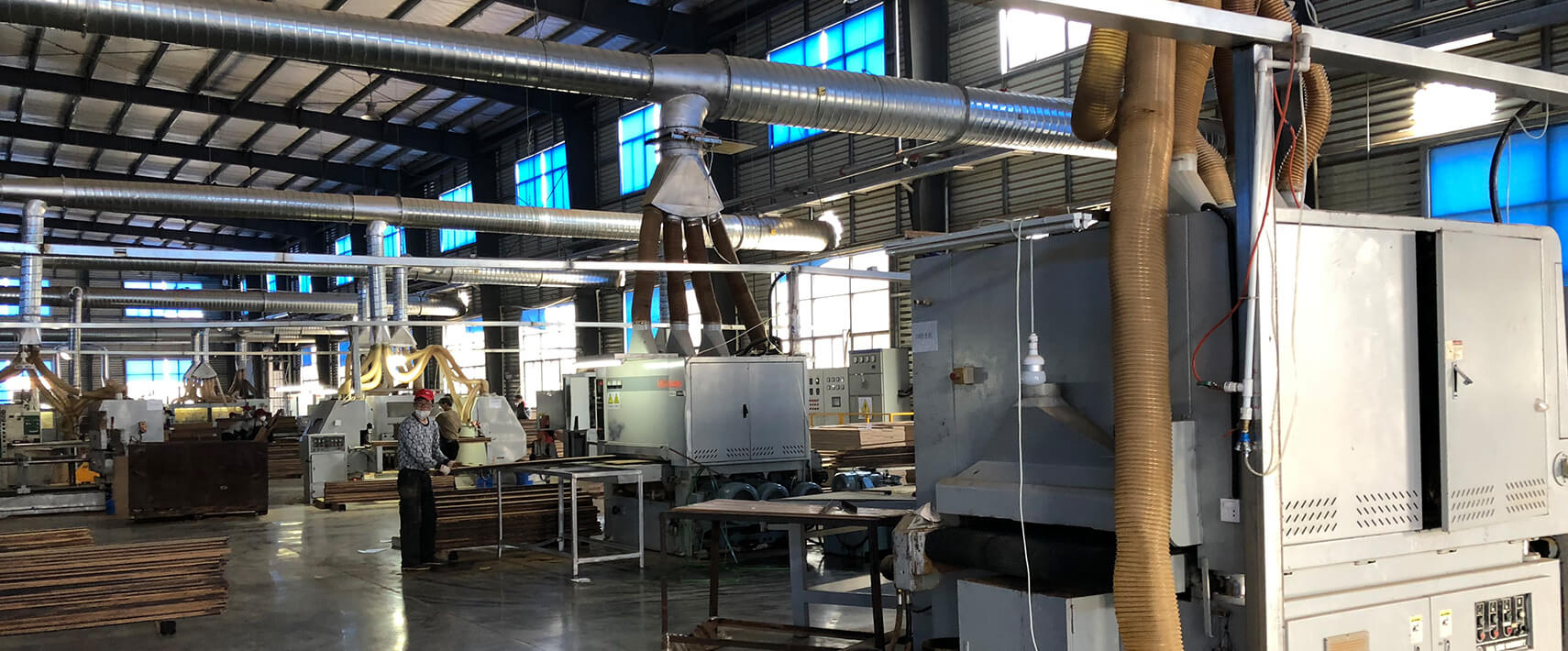
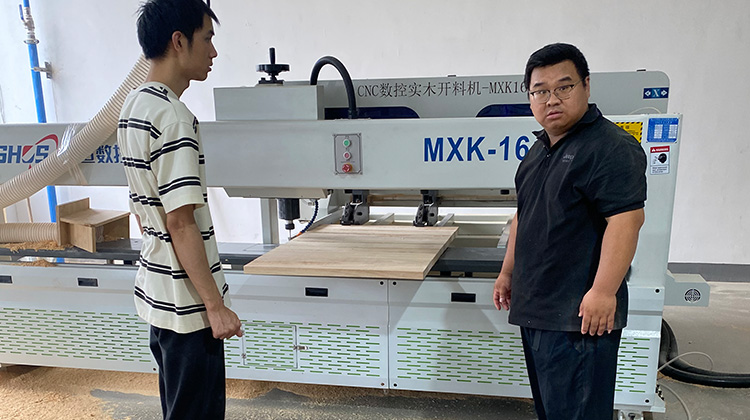
The transformation process begins by harvesting mature bamboo stalks, splitting them into vertical strips, and removing the outer green skin and inner nodes. These strips undergo pressure treatment and kiln drying to eliminate natural sugars and moisture. Removing sugars prevents future pest infestations and fungal decay, while controlling moisture content prevents warping, splitting, or shrinking in fluctuating humidity levels.
Engineers assemble the treated bamboo strips into multi-ply layers using heat and high-pressure pressing. In vertical grain configurations, strips are aligned side-by-side to show narrow, uniform lines across the surface. Horizontal grain configurations lay strips flat, showcasing the natural nodes and characteristic rings of the bamboo plant. Multi-ply construction distributes structural stress evenly, giving the finished desktop exceptional tensile strength, load-bearing capacity, and dimensional stability. A solid bamboo desktop comfortably supports heavy multi-monitor setups, desktop computers, monitor arms, and heavy office peripherals without sagging over time.
Surface Hardness and Everyday Wear Resistance
Workspace surfaces endure constant contact with computer mice, keyboards, hot coffee mugs, writing utensils, and equipment movements. Softwoods or low-grade particle boards dent and scratch easily under daily pressure, leading to premature wear and early replacement.
Solid bamboo desktops offer impressive surface hardness. On the Janka hardness scale—a standard test measuring a wood species’ resistance to denting and wear—carbonized bamboo registers around 1200 to 1400 lbf, making it comparable to solid red oak. Natural, uncarbonized bamboo achieves even higher hardness ratings, often exceeding 1600 lbf, which rivals hard maple.
This natural density resists impact marks, surface compression, and light abrasions. Manufacturers apply durable, low-emission UV-cured polyurethane coatings or natural protective sealants to shield the natural fibers from liquid spills, moisture absorption, and surface staining. The protective finish ensures that damp cleaning cloths or occasional drink spills will not damage or swell the desktop surface.
Comparing Bamboo to Traditional Desk Substrates
Selecting furniture materials often involves weighing environmental impact, longevity, and indoor safety against cost. Comparing bamboo to alternative desktop options reveals why it remains a superior green choice.
Solid hardwoods like oak, walnut, and cherry offer strength and beauty, but their long growth cycles and high harvesting impact present environmental concerns. Sourcing true sustainably managed hardwood can be difficult, and logging operations frequently disturb old-growth ecosystems and forest biodiversity. High transport weights further inflate the carbon footprint of hardwood manufacturing.
Medium-density fiberboard (MDF) and particle board coated with wood veneers or plastic laminates are widespread in low-cost office furniture. These engineered wood products utilize wood scraps, dust, and recycled fibers bound together with synthetic resins and glues. While resource-efficient on paper, standard particle boards often rely on urea-formaldehyde adhesives that off-gas toxic volatile organic compounds (VOCs) into indoor living spaces for months or years after manufacture. Furthermore, laminate surfaces chip, peel, and delaminate along edges when exposed to moisture or impact, making repair difficult and sending discarded furniture to landfills prematurely.
Bamboo bridges the gap between solid natural wood and engineered stability. It delivers the solid tactile feel, natural warmth, and longevity of real hardwood while maintaining a renewable harvesting timeline superior to fast-turnover synthetic boards. High-quality bamboo desktops use advanced low-VOC or formaldehyde-free adhesives during lamination, ensuring the final product meets strict indoor air quality standards like GREENGUARD Gold.
Ergonomic Harmony in the Workspace
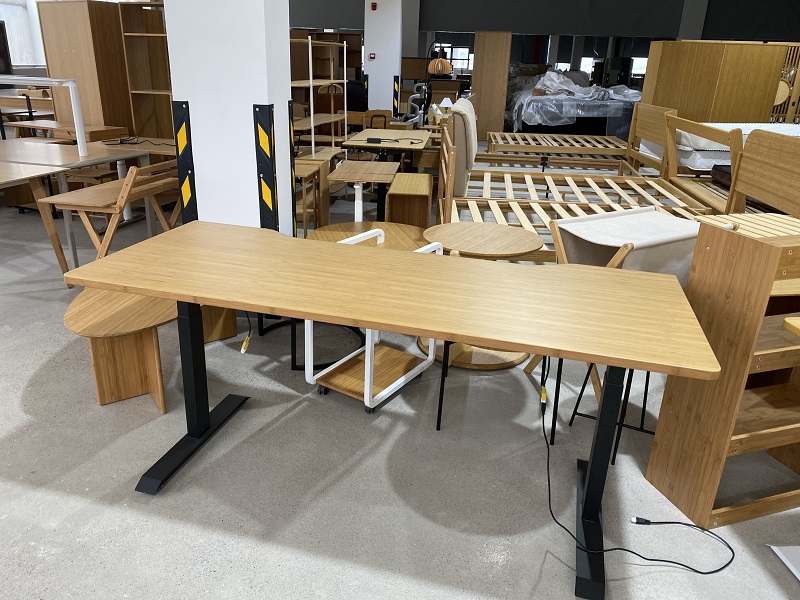
Ergonomics focuses on designing environments that adapt to human anatomy and natural movement patterns, reducing physical strain, fatigue, and long-term musculoskeletal discomfort. An adjustable standing desk frame allows users to alternate seamlessly between sitting and standing throughout the workday, promoting blood circulation and reducing lumbar pressure.
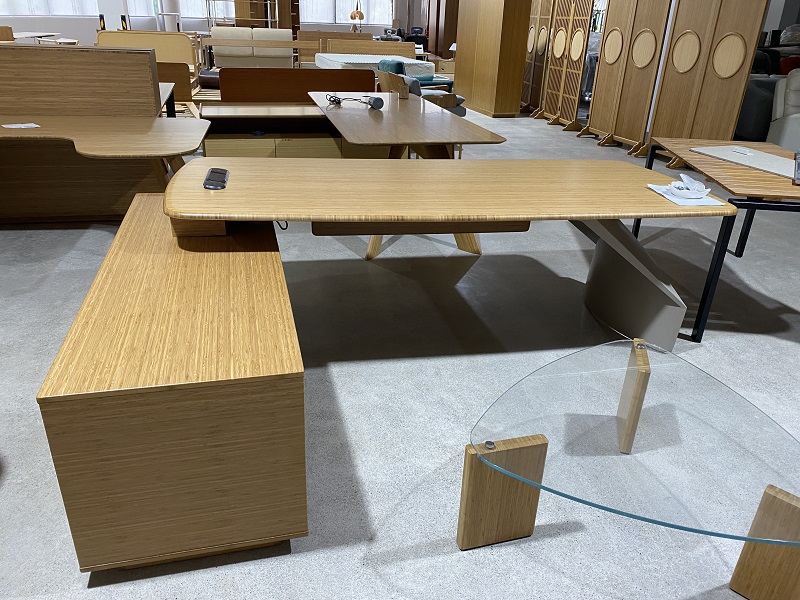
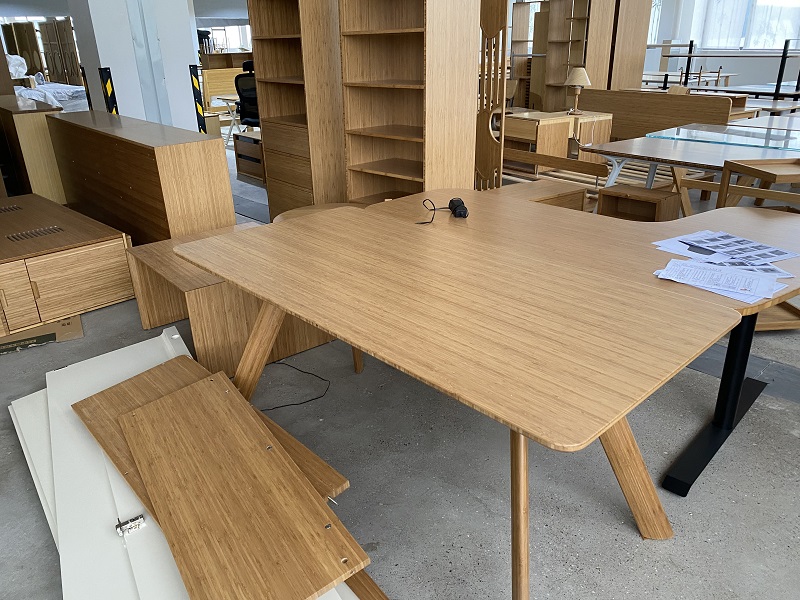
The desktop surface forms the primary physical touchpoint in any desk setup. Bamboo provides a warm, tactile feel that remains comfortable against forearms and hands during long typing sessions. Unlike cold glass or synthetic plastic laminates, natural wood and bamboo surfaces maintain a neutral, comfortable surface temperature that reduces localized contact stress.
Beveled, rounded, or contoured desktop edges prevent sharp pressure points against wrists and forearms. Softened edge profiles reduce compression on sensitive nerves and blood vessels in the wrists, supporting healthy typing postures and lowering the risk of repetitive strain injuries.
Natural visual textures also play a subtle role in mental focus and fatigue reduction. Clean, linear grain patterns and soft amber or natural straw tones create a calm visual environment. Biophilic design principles suggest that incorporating natural materials into indoor workspaces lowers stress levels, improves cognitive focus, and boosts overall well-being during demanding work hours.
Carbon Footprint and End-of-Life Sustainability
Evaluating the true environmental impact of a home office product requires assessing its entire lifecycle, from resource extraction through manufacturing, shipping, and eventual disposal.
During growth, bamboo absorbs substantial carbon dioxide from the atmosphere, locking that carbon into organic plant matter. When converted into durable furniture, that captured carbon remains sequestered within the solid desktop for decades, preventing it from returning to the carbon cycle.
Manufacturing bamboo panels requires precise processing, but modern facilities increasingly run on renewable energy and utilize manufacturing waste—such as sawdust and unused bamboo trimmings—to fuel processing kilns or create secondary composite products. Minimal material goes to waste during processing.
At the end of its useful service life, a solid bamboo desktop presents far fewer disposal hazards than plastic-laminated particle boards. Synthetic laminates and heavy resin binders make particle boards non-biodegradable and difficult to recycle, often leaving landfilled material to leach chemicals into soil over time. Solid bamboo coated with environmentally responsible finishes breaks down naturally or can be repurposed into secondary wood projects without releasing toxic synthetic residues.
Maintaining Your Bamboo Desktop for Long-Term Durability
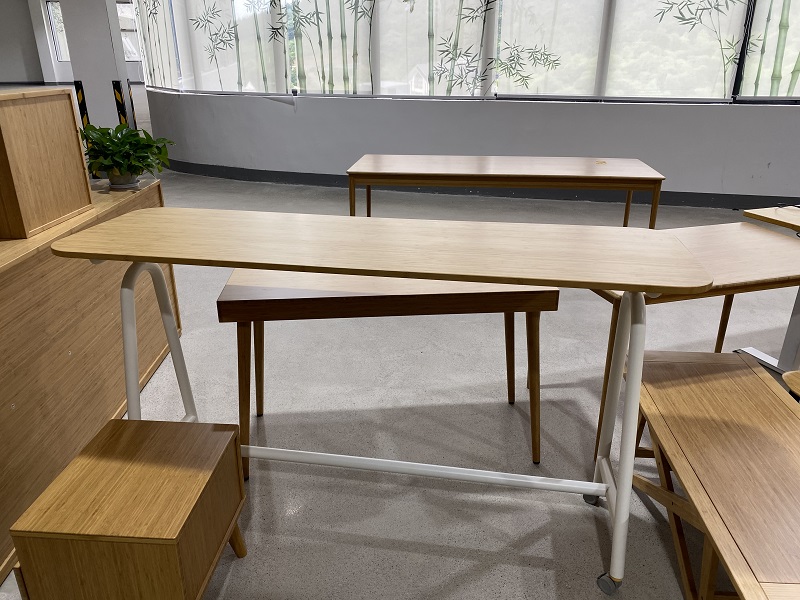
Maintaining a bamboo desktop in prime condition requires minimal effort, ensuring decades of reliable service without complex chemical treatments.
Daily cleaning involves wiping the surface with a soft microfiber cloth slightly dampened with water or a mild, neutral dish soap solution. Avoid harsh chemical cleaners, abrasive scouring pads, ammonia-based solutions, or bleach, as these can strip protective topcoats and dull the natural luster over time.
Control indoor humidity levels where possible. While multi-ply bamboo resists warping better than solid wood planks, extreme dry spells or prolonged high humidity can stress natural wood fibers. Keeping ambient humidity between thirty and fifty percent helps maintain dimensional stability across changing seasons.
Direct, prolonged exposure to intense sunlight can alter natural wood tones over time. Positioning the desk away from direct UV rays or using window blinds helps preserve uniform surface color. For minor scratches that occur over years of use, natural bamboo surfaces can be lightly sanded and refinished with wood-safe oils or polyurethane, restoring the original factory finish and extending product life indefinitely.
Making an Informed Workspace Decision
Investing in a home workspace setup involves balancing practical needs, daily comfort, and environmental responsibility. An Uplift bamboo desktop offers an outstanding combination of natural beauty, surface hardness, ergonomic comfort, and genuine sustainability.
By choosing a rapidly renewable material over slow-growing hardwoods or chemical-heavy synthetic boards, you reduce forest depletion and promote sustainable land stewardship. High structural density ensures that your workspace easily withstands daily professional demands, providing a stable, healthy, and eco-friendly foundation for your everyday routine.
Control indoor humidity levels where possible. While multi-ply bamboo resists warping better than solid wood planks, extreme dry spells or prolonged high humidity can stress natural wood fibers. Keeping ambient humidity between thirty and fifty percent helps maintain dimensional stability across changing seasons.
Direct, prolonged exposure to intense sunlight can alter natural wood tones over time. Positioning the desk away from direct UV rays or using window blinds helps preserve uniform surface color. For minor scratches that occur over years of use, natural bamboo surfaces can be lightly sanded and refinished with wood-safe oils or polyurethane, restoring the original factory finish and extending product life indefinitely.
Making an Informed Workspace Decision
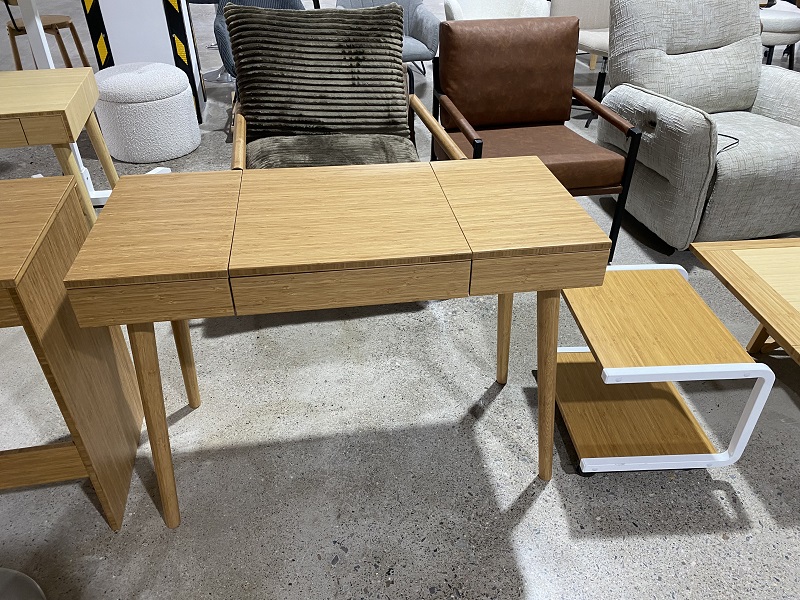
Investing in a home workspace setup involves balancing practical needs, daily comfort, and environmental responsibility. An Uplift bamboo desktop offers an outstanding combination of natural beauty, surface hardness, ergonomic comfort, and genuine sustainability.
By choosing a rapidly renewable material over slow-growing hardwoods or chemical-heavy synthetic boards, you reduce forest depletion and promote sustainable land stewardship. High structural density ensures that your workspace easily withstands daily professional demands, providing a stable, healthy, and eco-friendly foundation for your everyday routine.