UAE Dubai Bamboo Flooring and Decking Reviews: Real Performance in Gulf Heat

Bamboo has a reputation for toughness that travel sells. The question buyers in Dubai, Abu Dhabi, and Sharjah keep asking is whether that reputation survives a climate that pushes materials harder than almost anywhere else — summer surface temperatures that can cook an egg, coastal humidity that swings between soaked and parched, fine sand that works into every joint and grain line. The short answer, gathered from installations across the Emirates and the installers who maintain them: strand-woven bamboo performs well indoors in the UAE when the specification and installation are right, and it performs outdoors with real caveats that any honest review should put on the table. This article breaks down both sides of that experience, what owners consistently praise, what they complain about, and what to check before committing.
What the Gulf Climate Does to Bamboo
Any review of bamboo in the UAE has to start with the environment, because the same product that thrives in Europe or East Asia behaves differently here. Three forces do most of the damage.
Heat and UV Load
Direct summer sun in the Emirates pushes unshaded surfaces far past comfortable, and ultraviolet exposure stays intense year-round. UV is what fades finishes and greys unprotected fibres, while heat drives the moisture out of materials. An outdoor deck facing west in August lives in conditions no showroom floor ever sees. Indoor bamboo largely escapes the UV side of the equation but still deals with heat cycling near large glazing, where floor temperatures climb every afternoon and cool every night.
Humidity Swings
Coastal apartments in Dubai Marina and Abu Dhabi corniche buildings run humid air through open balconies, while the interiors sit under air conditioning set to cool-dry for eight months a year. Bamboo is a hygroscopic material: it absorbs and releases moisture, swelling and shrinking as it goes. The strain shows up at joints, at end matches, and at fixings — not as a defect, but as movement that a tight installation turns into gaps or cupping.
Sand and Salt
Fine desert dust is mildly abrasive and settles into every seam. Outdoors it combines with coastal salt spray to accelerate surface wear and dull finishes faster than a temperate climate would. Neither is fatal, but both shorten the interval between maintenance compared with, say, a villa in Fujairah’s green hills or an indoor villa majlis that gets daily vacuuming.
Indoor Bamboo Flooring Reviews
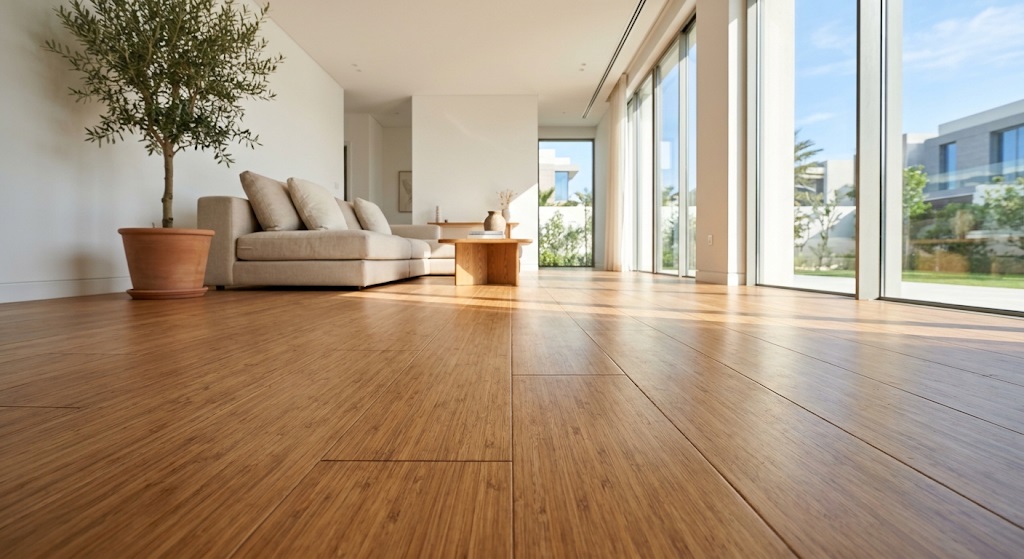
The bulk of UAE bamboo use is indoors, and this is where the reviews run strongest. Strand-woven bamboo, made by compressing shredded fibre bundles under heat and pressure into a plank harder than most hardwoods, has been installed across villas in Arabian Ranches, apartments in JVC, and hotel fit-outs where foot traffic is measured in the thousands per day.
Strand-Woven Durability
Owners and flooring contractors report the same pattern: properly specified strand-woven bamboo holds up against the two things that wreck softer floors in Emirati homes — heavy furniture and constant cleaning. Solid strand-woven products rate around the top of the hardness scales used across the industry, and that density is what keeps sofa legs, majlis seating, and wheeled cleaning equipment from leaving dents. Reviews from households with children frequently mention the floor still looking new after several years of daily mopping, which is the strongest endorsement a floor in this region gets.
Where indoor reviews sour, the cause is almost always specification, not the material. Cheap carbonised bamboo — the darker, softer variant — and thin laminated products sold at souk prices fail exactly the way reviewers worldwide describe: denting, edge chipping, and surface wear within a couple of years. The lesson repeated across UAE buyer feedback is that strand-woven construction from a mill with proper quality control is the only version worth buying here.
Installation and Acclimatisation
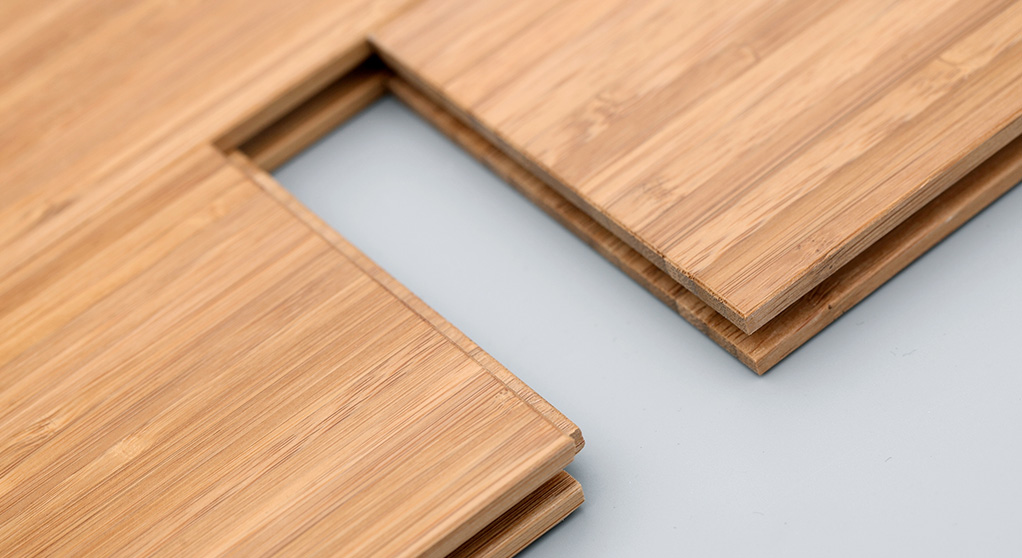
The single most common complaint in negative UAE bamboo reviews traces back to installation, not flooring. Bamboo arrives from mills at a controlled moisture level and needs acclimatisation on site — days flat-stacked in the actual room with the AC running, letting the planks settle to local equilibrium before a single board goes down. Installers who skip this to finish the job faster produce floors that gap within one summer. Reviews consistently praise contractors who acclimatise properly and complain about floating floors installed over unlevelled screed, where the hollow spots telegraph through and click underfoot.
For villas with polished concrete subfloors, glue-down installation over a moisture barrier gets the better reviews. For apartments where drilling into slab is restricted, floating click systems with a quality underlay perform well provided the subfloor is levelled first.
Cooling Bills and Comfort
A recurring point in positive reviews that surprises first-time buyers: bamboo feels noticeably cooler underfoot than expected in an air-conditioned room. The dense structure conducts heat away from bare feet, which in UAE conditions reads as comfort. Villagers who lived with ceramic tile previously mention the trade honestly — tile stays colder in summer, bamboo stays warmer in the brief winter, and bamboo never feels like stepping onto a griddle the way dark tile near a window can.
Outdoor Bamboo Decking Reviews
Outdoor bamboo in the Emirates is a more mixed story, and the honest reviews say so. Thermally treated and high-density strand-woven decking boards are the versions used here, and their performance splits along three lines.
Heat Retention Reality
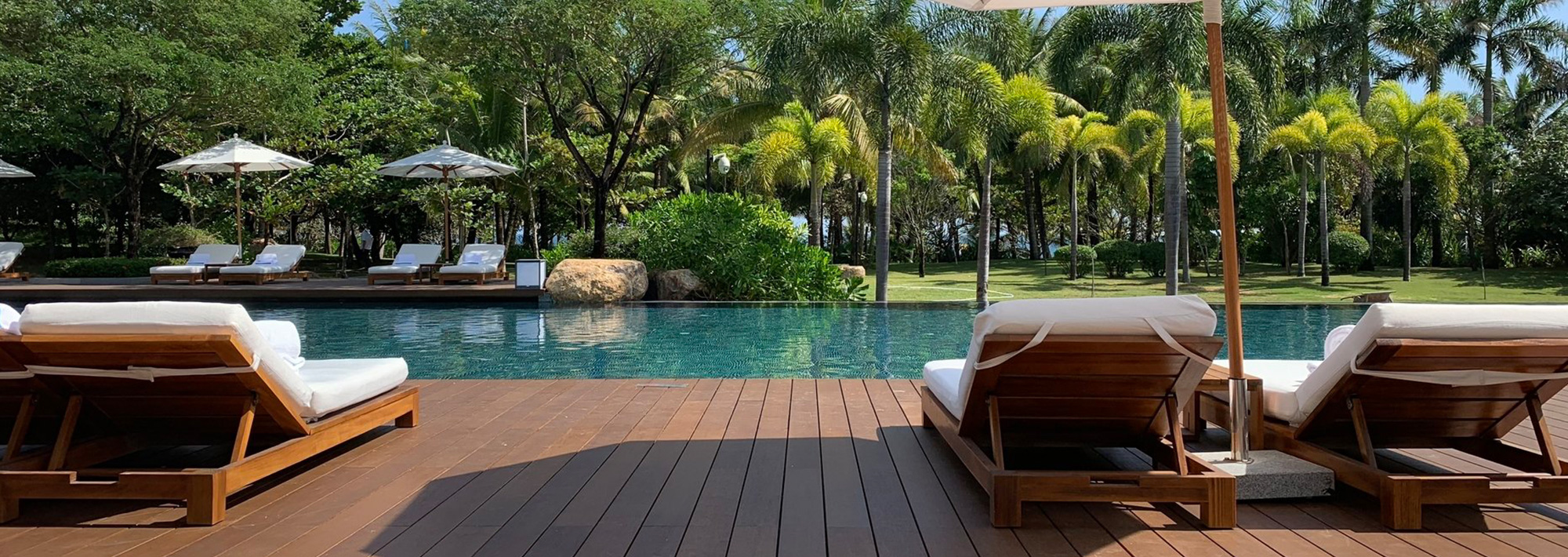
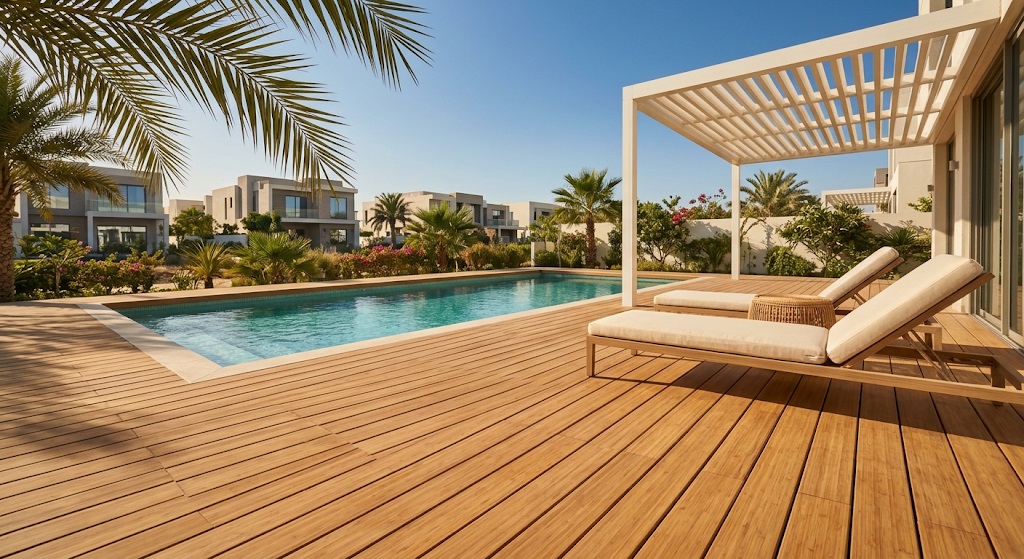
The biggest complaint in Gulf decking reviews, regardless of material, is surface temperature. Dark bamboo decking in full summer sun gets seriously hot — hot enough that midday barefoot use is off the table, the same as composite and darker hardwoods. Reviews from pool decks in Arabian Ranches and Al Barsha describe exactly this. Lighter, thermally treated bamboo surfaces stay measurably cooler than dark capped composite on the same afternoon, and every installer interviewed for this review recommends the lightest finish the client will accept, plus shading over seating zones. Afternoon hosing, the oldest trick in the region, drops the surface quickly for evening use.
Fading and Greying
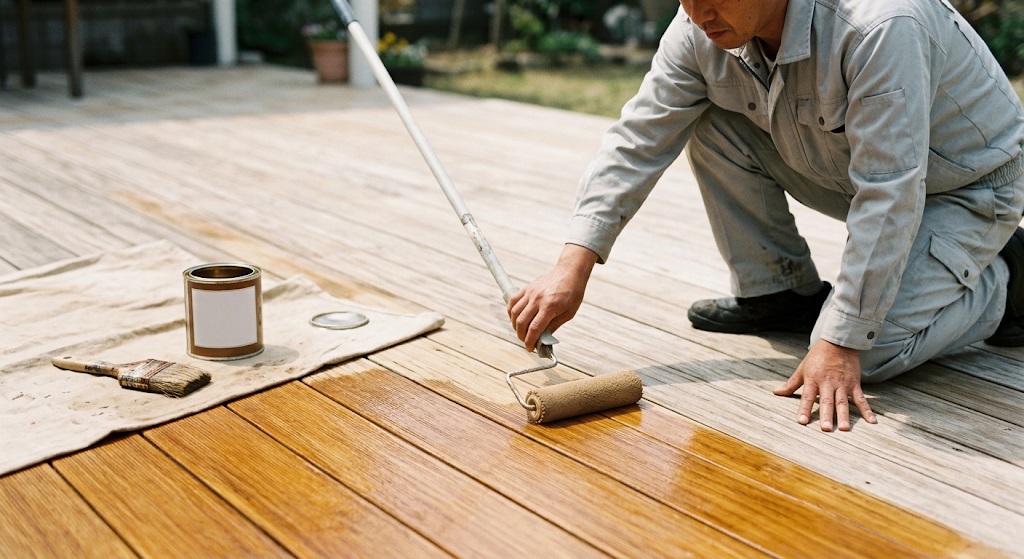
Untreated bamboo decking left bare in UAE sun greys within a year — the same UV-driven silvering you see on any weathered timber, arriving faster under Gulf UV. Reviews that mention ugly grey decks are almost always decks that never received their oil. Well-maintained bamboo decking, re-oiled on schedule, holds rich colour for years. The maintenance cycle most Gulf installers recommend is annual oiling, stretched to 18 months on shaded decks and shortened to twice a year on full-sun west-facing ones. That is real work and real cost, and an honest review puts it in the price of ownership.
Coastal Corrosion and Fixings
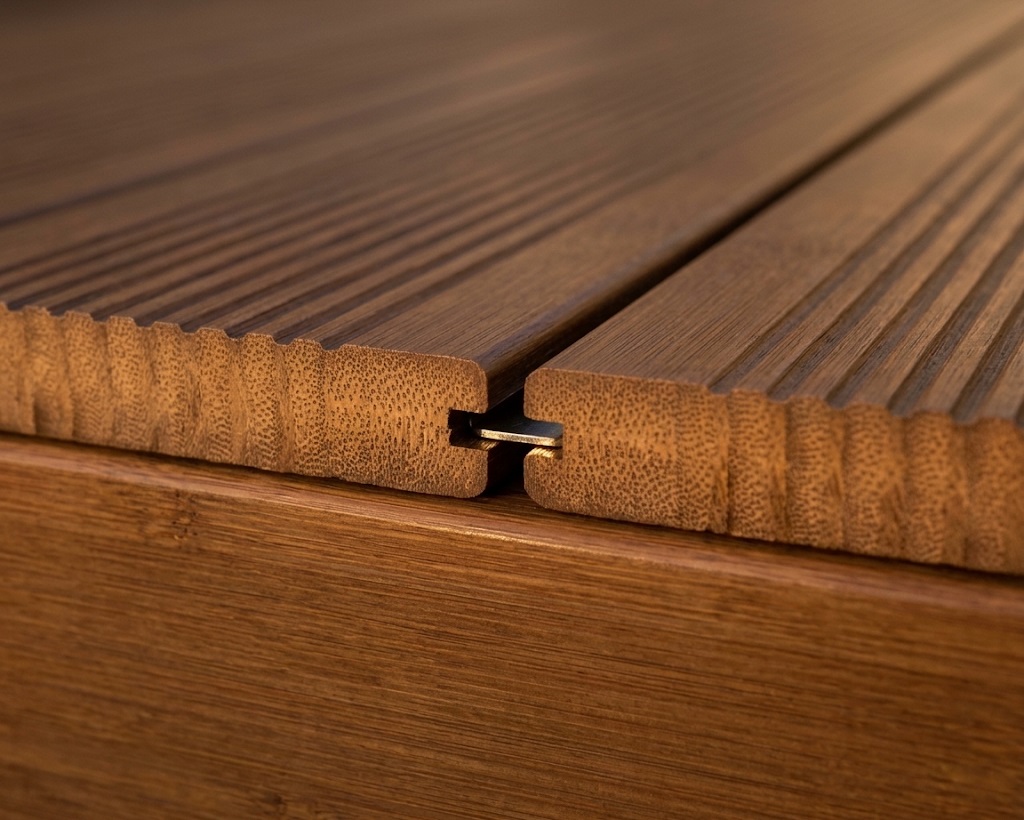
The reviews from beachfront properties — Palm Jumeirah, Saadiyat, Al Hamra — highlight the fixings more than the boards. Cheap fasteners corrode in salt air within a season and stain the timber around them with dark streaks. Quality decking installed with stainless steel fixings and hidden clips earns consistently good coastal reviews. The boards themselves, thermally treated and dense, resist salt spray well when the oil coating is kept intact.
What UAE Buyers Consistently Praise
Across hundreds of reviews and project references, four themes repeat. Density and dent resistance, which is the strand-woven signature. The look — warm, contemporary, and distinct from the marble-and-tile default of regional construction. Sustainability credentials, which matter to the growing green-building segment as Estidama and LEED targets spread through UAE developments. And the price-to-hardness ratio, which beats comparable hardwood imports.
What to Check Before Buying
The UAE market imports everything, and quality varies wildly behind similar-sounding descriptions. Reviews repeatedly flag the same checkpoints. Buy strand-woven, not carbonised or laminated. Ask for the actual hardness rating and the formaldehyde emission class rather than accepting “eco” on faith. Confirm the outdoor boards are thermally treated for exterior use — indoor bamboo installed outside is a documented failure pattern here. Check the warranty terms for humidity and temperature ranges that actually match Gulf conditions, since some international warranties quietly exclude them. And favour suppliers who name their mill and can show UAE project references, because the local track record is the closest thing to a climate test.
Maintenance Costs in Context
Indoor bamboo in a typical UAE home costs very little to own: regular vacuuming, a barely damp mop, and pH-neutral cleaner. The one regional twist is that AC-dried air can pull indoor humidity down sharply, and very dry boards shrink at joints — a small humidifier in the main living space in peak summer costs pennies to run and protects both the floor and the people. Outdoor bamboo needs the annual oil, a stiff-bristle wash between coats, and prompt re-fixing of any loose board. Budgeted honestly, outdoor maintenance lands well below the cost of replacing a failed cheap composite, which is the comparison Gulf reviewers most often make after five years.
Where This Leaves UAE Buyers
The reviews support a clear split. Indoors, strand-woven bamboo from a reputable mill, installed by a contractor who acclimatises the stock and levels the subfloor, is one of the best-performing hard floors available in the Emirates — praised for hardness, comfort, and appearance, with failures traced almost entirely to cheap product or rushed fitting. Outdoors, dense thermally treated bamboo works on shaded and partially shaded terraces, pool surrounds with sensible finishes, and coastal decks with stainless fixings, provided the owner commits to the oiling cycle. Full-sun, unshaded, dark-finish installations are where complaints cluster, for bamboo as for every alternative material in this climate. Buy the right grade, install it properly, maintain it honestly, and the bamboo holds up in the UAE — which is more than many competitors can claim after a Gulf summer.