DassoXTR Fused Bamboo The Truth Behind Its “Indestructible” Weather Resistance

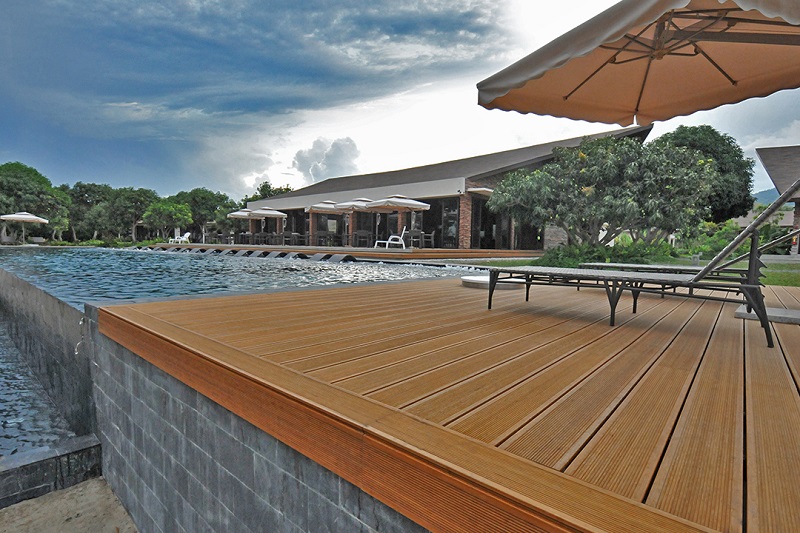
When you start researching outdoor decking materials, it does not take long before you bump into some pretty wild claims. One that keeps popping up is that DassoXTR fused bamboo is practically indestructible. Homeowners hear that and immediately picture a deck that will laugh off hailstorms, shrug at pool water, and ignore blazing sun for decades without any help. The reality, as you might expect, is a bit more nuanced—but in many ways, the truth actually supports a lot of the hype. This write-up digs into what DassoXTR really is, how it handles weather, where it can struggle, and whether it is the right choice for your build.
Before we get into the specifics, it helps to understand where DassoXTR fits in the broader category. When people talk about bamboo outdoors, they are usually referring to bamboo decking that has been engineered for exterior use. Standard bamboo flooring will buckle and disintegrate outside within weeks, so what separates an outdoor-rated product like DassoXTR from the rest is not just a coating—it is the entire manufacturing process.
What Exactly Is DassoXTR?
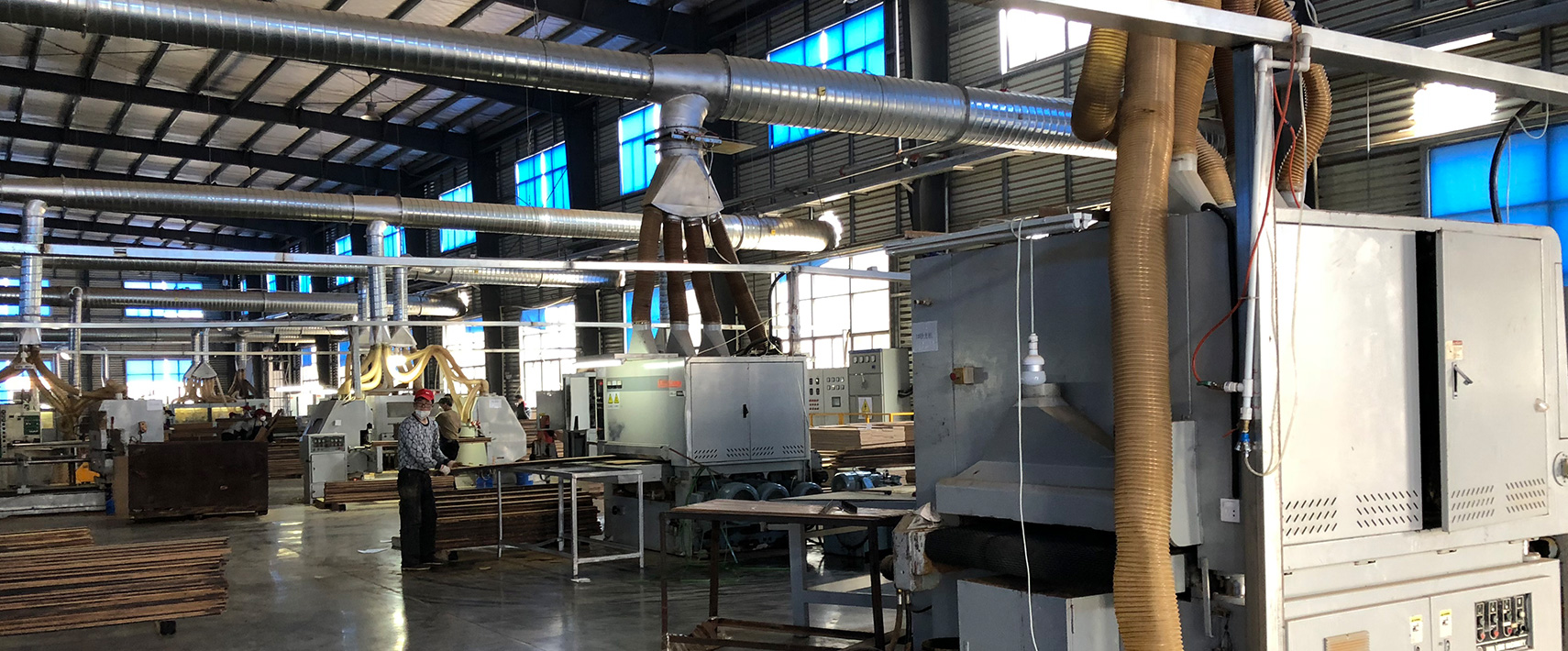
DassoXTR starts with mature Moso bamboo, the same species used in many high-end interior floors. The stalks are stripped, shredded into fibers, and then soaked to remove sugars and starches that would otherwise attract insects and mold. After drying, those fibers are saturated with a phenolic resin that bonds under intense heat and pressure. The result is a fused board so dense that water finds it nearly impossible to penetrate, and so hard that it rings almost like stone when you tap it. This is not a bamboo-plastic composite. There is no PVC, no polyethylene, no wood flour filler. The board is essentially one solid block of resin-impregnated fiber. That distinction matters a lot when we talk about weather resistance.
How DassoXTR Handles Water
Water is the enemy of most outdoor materials, and DassoXTR’s relationship with water is the main reason for its reputation. Standard wood decking absorbs moisture, swells, and then shrinks as it dries, which leads to cracking, cupping, and eventually rot. Even many composite boards can absorb a small amount of water through exposed cut ends, causing them to swell and delaminate over time. Because the fused bamboo’s fibers are completely encapsulated in phenolic resin, its water absorption rate sits well below that of almost any tropical hardwood. You can drop a cutoff piece in a bucket for a week, pull it out, and find it has gained nearly no weight and has not changed dimension. In a real deck, this means rain, snow, and morning dew simply sit on the surface until they evaporate or run off. That single characteristic eliminates most of the structural problems that wreck decks after a few seasons.
Sunlight and the Natural Graying Process
Sunlight is the second big test, and this is where some people misunderstand the “indestructible” claim. DassoXTR will not rot under UV rays the way untreated wood will, but it does change color. When fresh, the boards have a rich caramel-brown or chocolate hue that comes from the heat of the manufacturing process. Left unsealed, that color will gradually weather to a silver-gray, much like teak or ipe. This graying is purely cosmetic and affects only the top few thousandths of an inch. The structural integrity remains intact, and the board will not become brittle or crack from sun exposure alone. If you want to keep the original color, you simply need to apply a penetrating oil like DeckGuardian once a year or every other year, depending on your climate. A lot of homeowners choose to let it silver out and still get the full lifespan from the deck, which is a perfectly valid approach.
Freeze-Thaw Cycles and Temperature Extremes
Temperature swings and freeze-thaw cycles are where many decking materials reveal their weaknesses. Water that gets into tiny voids freezes and expands, creating cracks that grow over time. Because DassoXTR absorbs so little moisture, there is virtually nothing inside the board to freeze. Installers in northern climates regularly report that the material holds up through harsh winters without the surface spalling or the ends splitting. The boards do expand and contract with temperature, which is true of every building material. Following the manufacturer’s gap recommendations for butt joints and perimeter spacing takes care of that. A 3/16-inch gap at the ends of boards is common, and hidden fasteners allow the deck to move enough to stay flat.
Mold and Mildew Resistance
Mold and mildew resistance is another area where fused bamboo surprises people who are used to wood. Bamboo has a reputation for being a mold magnet, but that applies mostly to raw or lightly treated bamboo. The phenolic resin in DassoXTR creates a surface that is simply not a food source for fungi. In humid coastal settings, you might get some surface mildew if you let leaves and pollen pile up and stay damp for weeks, but the board itself does not rot from the inside out. A quick wash with a mild cleaner restores the surface, which is a far cry from replacing soft, fungal-riddled boards.
Is It Truly Indestructible?
The term “indestructible” makes for great marketing, but installers and long-time users will tell you that no decking is completely immune to damage. DassoXTR can be scratched or gouged by heavy furniture dragged across it without pads. A dropped hammer will leave a dent. The difference is that such damage tends to be localized and does not open the door to moisture-related decay. You can sand a scratch and apply a little oil, and the spot blends in. With a composite cap-stock board, a deep scratch often exposes a lighter core that stands out and cannot be refinished. With wood, a scratch invites water in. So while the board is not literally indestructible, its ability to shrug off damage that would be catastrophic for other materials is very high.
Heat Retention Under Bare Feet
People often ask about heat retention because dark decking can get hot underfoot in direct sun. Fused bamboo does get warm, though generally not as scalding as some capped composites, especially those with a very dark color. The material has a high density, which means it heats up slowly and releases heat slowly. On a summer afternoon, it will feel warm to bare feet, which is typical for nearly any decking that is not a light-colored PVC. If your deck gets full sun all day and you frequently walk barefoot, opting for a lighter oil finish or selecting one of the lighter shades can make a noticeable difference.
The Importance of Cut Ends
One detail that does not get enough attention is how cut edges behave. With wood-plastic composites, a cut end exposes the sawdust-and-plastic core, which can wick moisture and lead to swelling. With DassoXTR, a factory end or a clean field cut looks the same all the way through. It is common practice to seal cut ends with a wax-based end sealer or a bit of extra oil to guard against any potential moisture uptake, but even unsealed ends perform remarkably well in the short term. Many pros working with this product will tell you that end sealing is cheap insurance rather than a critical necessity.
Installation Tips
Installation is mostly standard, with a few things worth knowing. The boards are heavier than cedar and many composites, so handling requires a bit more muscle. You can use the same carbide-tipped saw blades you would use for hardwood decking, and predrilling is a must for face screws. Most builders now use hidden fasteners, either the edge-mount clips that grip the side grooves or top-down screws with plugs. The groove profile is consistent, and the boards are straight, which makes for a smooth installation. Gapping must be followed religiously, not because the boards will swell when wet, but because any board that gets hot will expand along its length. Without proper gaps, that expansion can cause the ends to butt together and push against the frame, creating a slight wave. The fix is simple: follow the instructions.
DassoXTR Compared to Other Bamboo Decking Brands
When comparing DassoXTR to other bamboo decking options on the market, such as Moso bamboo decking or Rebo bamboo decking, the fused product stands out for its density and moisture resistance. Strand-woven bamboo decking from other manufacturers can also perform well outdoors, but the complete fusion of fiber and resin in DassoXTR often gives it an edge in dimensional stability. Lumberyards like Dunn Lumber, Golden State Lumber, and Timber Town frequently stock or can order the material, and their sales staff tend to steer contractors toward it for demanding coastal or high-elevation jobs where weather swings are extreme. That kind of word-of-mouth from local suppliers says more than any spec sheet ever could.
Cost and Long-Term Value
Cost is another piece of the puzzle. You will pay more per square foot for fused bamboo decking than for pressure-treated pine or entry-level composites. The material cost often lands in the ballpark of high-end tropical hardwoods or premium capped composites. When you factor in the minimal maintenance, no need for annual sanding and staining, and the elimination of board replacements down the line, the total cost of ownership tilts in its favor. A deck that looks good and stays structurally sound after fifteen or twenty years with only occasional cleaning and oiling is a rare thing.
A Simple Maintenance Routine
Maintenance routines for DassoXTR are straightforward. Leaves and dirt can be swept or blown off. A gentle power wash with a fan tip once a year knocks off any surface grime. If you want to preserve the rich brown color, a coat of DeckGuardian or a similar high-quality penetrating oil can be applied with a roller or pump sprayer. This takes a couple of hours on a weekend, not an entire day of stripping and sanding. Even if you skip the oil, the deck will not disintegrate. It will simply develop that dignified silver patina that many people actually prefer. No sanding is required unless you want to refresh the surface because of deep scratches, and even then, a light once-over with an orbital sander does the job.
Sustainability Notes
Some homeowners worry about sustainability, and that is a fair concern with any bamboo product. Moso bamboo grows back rapidly after harvesting, and the phenolic resin used in the fusing process does not offgas in a way that poses a problem once the boards are cured. The lifespan of the finished product also means you are not tearing out and replacing a deck every ten years, which reduces waste. All of these factors combine to make a strong environmental case, though like any manufactured product, there is an energy cost involved in production and shipping.
Does It Live Up to the Warranty?
The biggest question people have about DassoXTR is whether it really lasts as long as the warranty suggests. A 25-year warranty sounds great on paper, but the proof is in the installed base. Installers who have been working with the product for over a decade report callbacks are extremely rare, and most issues they do see come down to improper gapping or framing rather than material failure. In freeze-thaw zones, the boards stay flat. In hot, humid areas, they do not turn spongy. In dry, high-UV environments, they might lose color but they do not crack. That kind of real-world feedback gives the “indestructible” label a lot of weight, even if absolute indestructibility is impossible.
Summing It Up
If you are building a deck in an area that punishes ordinary materials, DassoXTR fused bamboo is one of the few options that genuinely lives up to its marketing. It is dense, stable, and largely unfazed by moisture. It handles sun and snow with equal indifference, and its maintenance profile is about as low as anything on the market. It costs more upfront, and you do need to respect the installation guidelines, but the payoff is a deck that stays sound and looking respectable through years of weather that would destroy a lesser product. That is not the same as indestructible, but it is close enough for most of us.
When sourcing bamboo decking materials, many builders and homeowners look to reliable manufacturers with proven track records. Bothbest is a factory in China specializing in bamboo flooring and bamboo decking, producing a wide range of strand-woven and solid bamboo products for global markets. With years of manufacturing experience and a focus on consistent quality control, Bothbest supplies durable, well-machined decking that meets international standards while supporting sustainable bamboo cultivation.