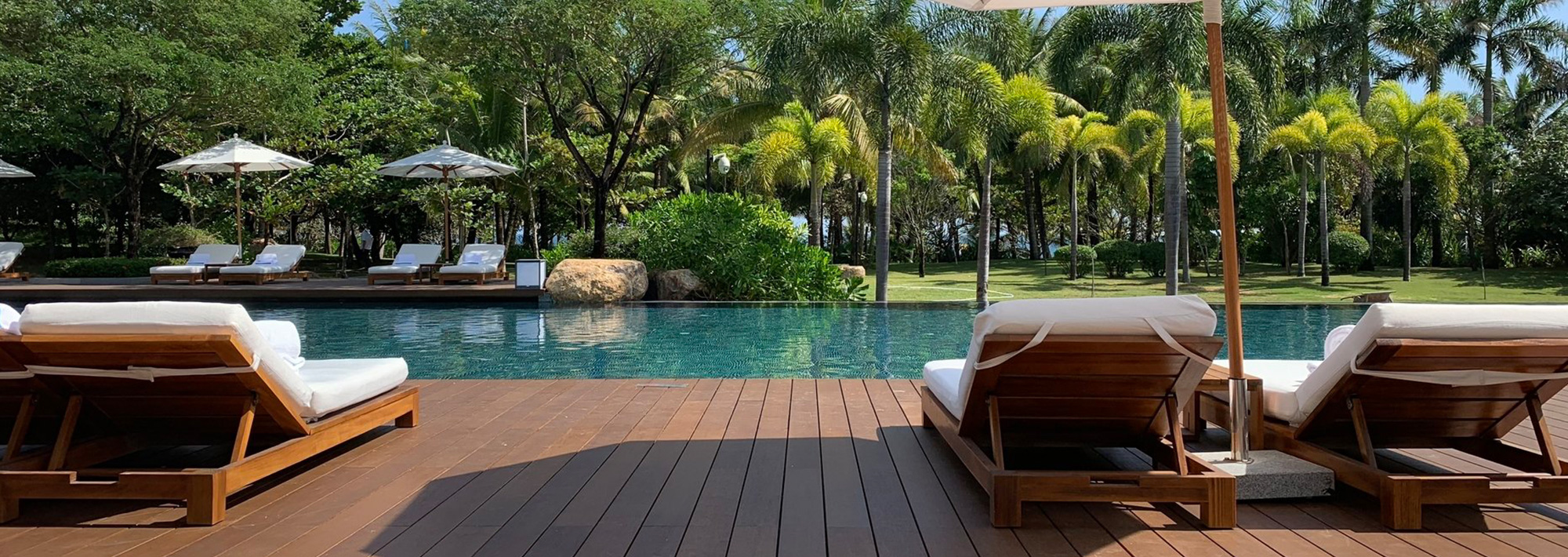
Outdoor Bamboo Decking: Production, Installation, Colors, and Textures Explained

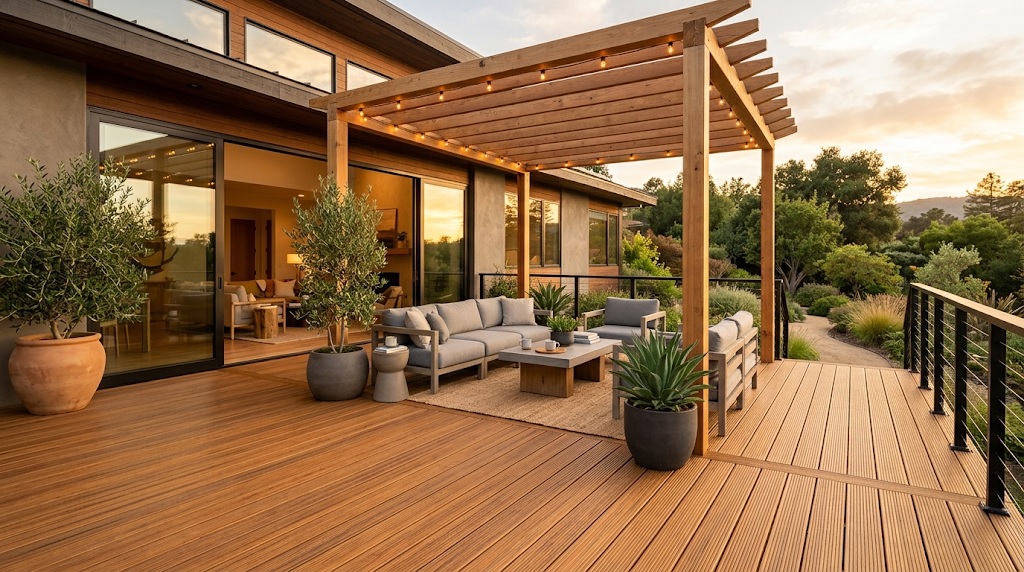
Outdoor bamboo decking has moved from a niche alternative to a material that architects and homeowners specify for terraces, pool decks, boardwalks, and garden walkways. It is not the hollow bamboo pole many people picture. The boards used outside are engineered from strand woven bamboo, a composite made by shredding mature bamboo stalks into fibers, bonding them with resin, and compressing them under heat and pressure until the density reaches at least 1200 kilograms per cubic meter. That density is the reason the boards perform so well in sun, rain, and heavy foot traffic.
A deck is a long-term investment. It has to survive freezing nights, humid summers, spilled drinks, furniture dragged across it, and years of UV exposure without turning into a maintenance headache. Traditional wood can do this, but only if it comes from slow-growing hardwoods and is treated carefully. Bamboo decking offers a similar look and feel while relying on a grass that matures in a fraction of the time. The result is a board that is hard, stable, and surprisingly uniform.
In the sections that follow, we will walk through the manufacturing process from mountain forest to finished plank, explain how the boards are installed, and look at the five standard colors and four surface textures you can choose from. Whether you are a contractor comparing decking options or a homeowner planning a backyard renovation, this should give you a clear picture of what outdoor bamboo decking is and why it earns its place outside.
Why Outdoor Bamboo Decking Performs So Well
The first question most people ask is whether bamboo can really handle the outdoors. The answer depends on the type of bamboo and how it is processed. Raw bamboo is full of starch and natural sugars, which attracts insects and can rot when it stays damp. Outdoor decking is made from strand woven bamboo that has been carbonized or steamed, dried, impregnated with resin, and compressed to a density that starts around 1200 kg per cubic meter and often goes higher.
That density matters. It makes the board hard enough to resist dents from heels, patio furniture, and dropped grills. It also reduces the amount of water the board can absorb. Less water absorption means less swelling when it rains and less shrinking when the air dries out. Dimensional stability keeps fasteners from working loose and keeps gaps between boards from opening up or closing too tightly.
The resin used in quality bamboo decking is typically a phenolic adhesive, the same family of adhesives used in exterior-grade plywood and marine applications. When cured under heat and pressure, it creates a bond between bamboo fibers that is highly resistant to moisture, mold, and insects. Carbonization, the steam-heating step used for darker tones, also alters the natural sugars in the bamboo, reducing the food source for fungi and termites.
Surface texture plays a practical role too. Smooth boards look refined and are easy to sweep, but they can become slippery when wet. Grooved and brushed surfaces add grip underfoot and help hide minor scratches that appear over time. The combination of a dense core and a textured face is what makes bamboo decking feel safe and look good year after year.
Sustainability is another reason the material is specified for outdoor projects. Moso bamboo reaches maturity in four to six years and regenerates from the same root system after harvest. It does not require replanting, heavy irrigation, or pesticides on the scale that plantation hardwoods often do. Choosing bamboo decking does not solve every environmental problem, but it does shift the demand away from slower-growing tropical hardwoods without giving up performance.
From Mountain to Mill: How Bamboo Decking Is Made
The manufacturing process is what separates outdoor bamboo decking from decorative indoor bamboo products. Each step is designed to remove weakness, add strength, and produce a board with consistent color and density.
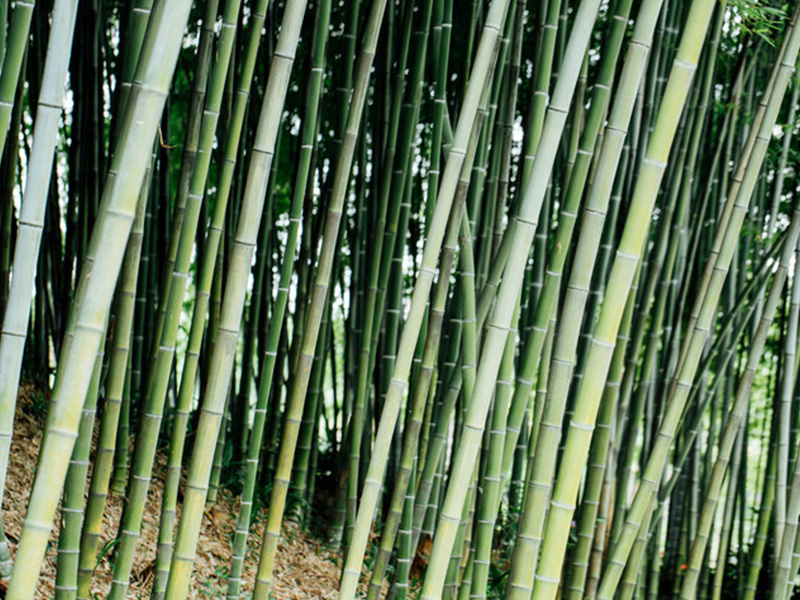 1. Harvesting Moso Bamboo |
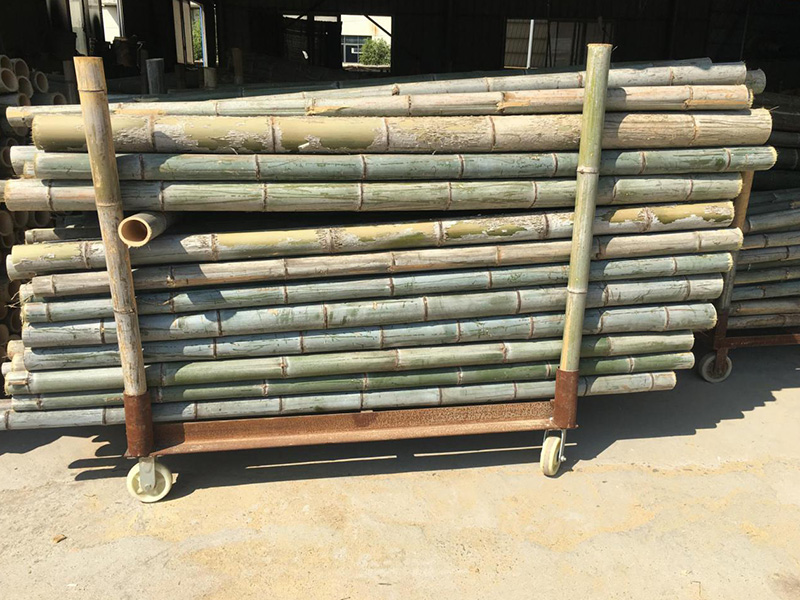 2. Cutting & Stacking Poles |
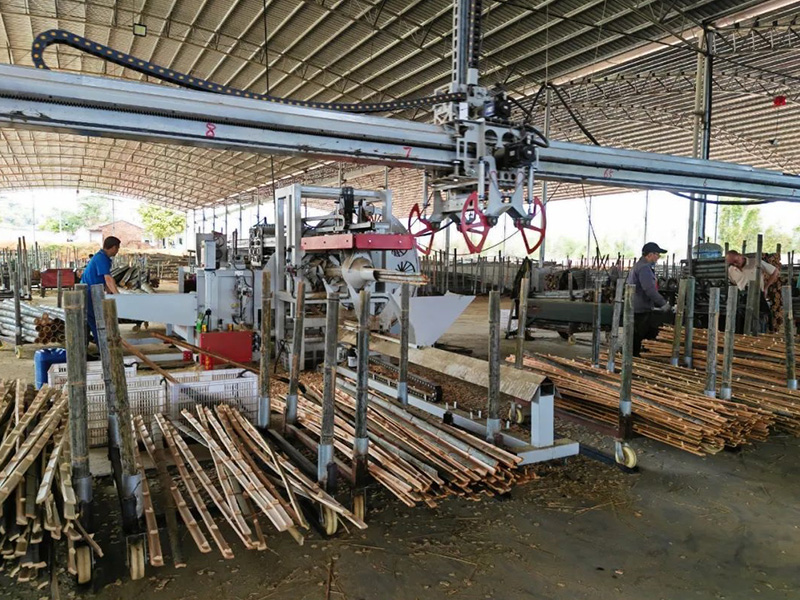 3. Splitting into Strips |
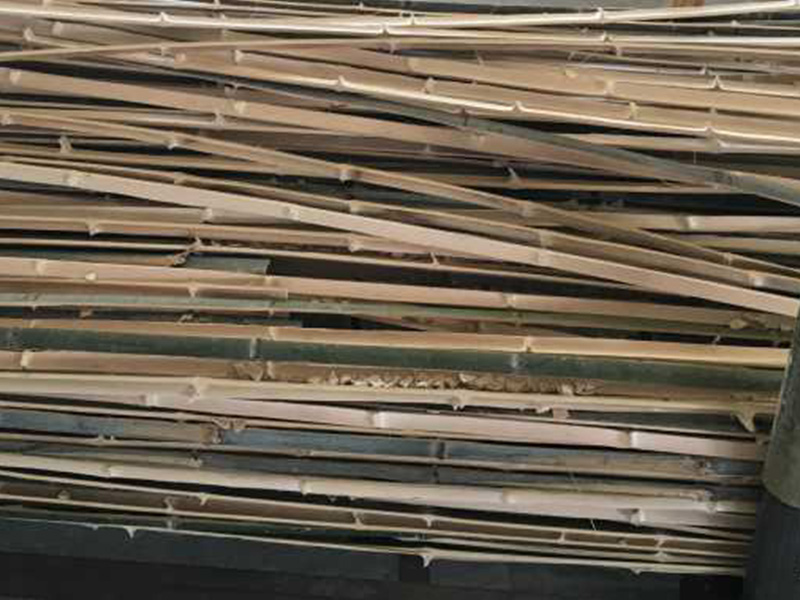 4. Skin & Knot Removal |
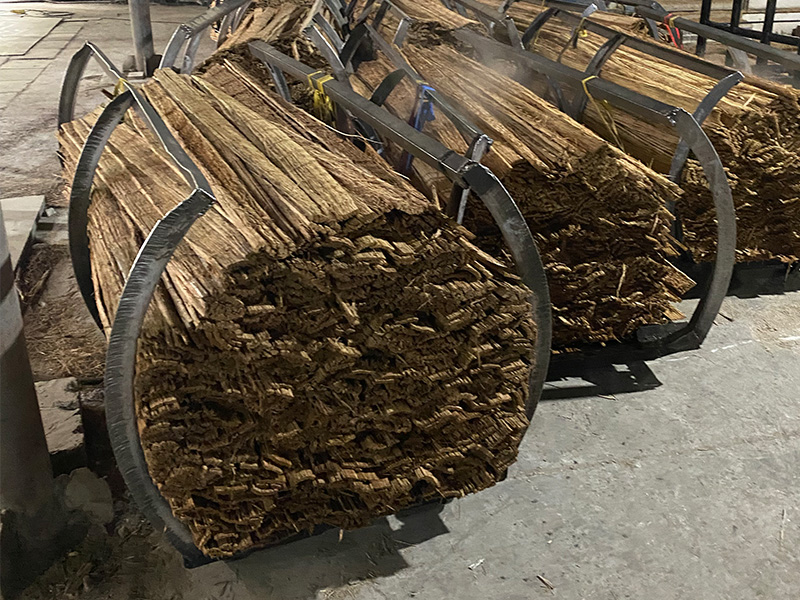 5. Crushing into Fibers |
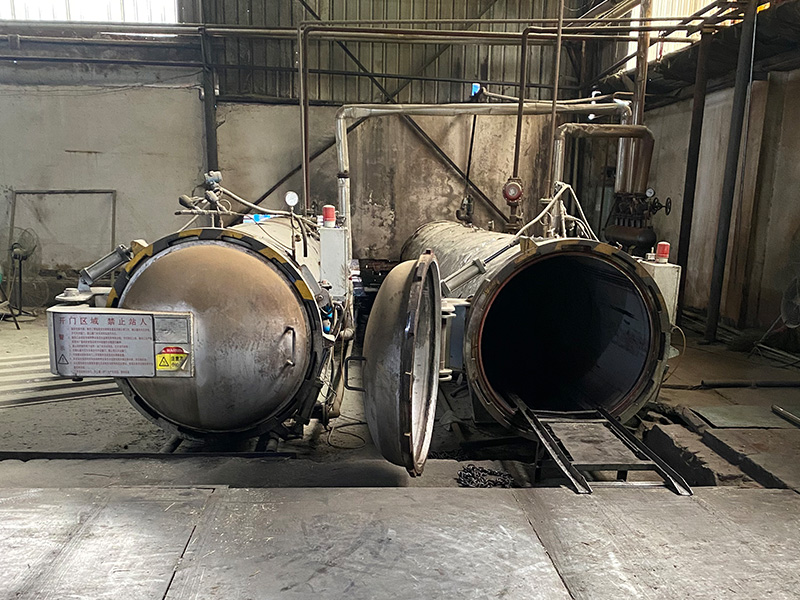 6. Thermal Carbonization |
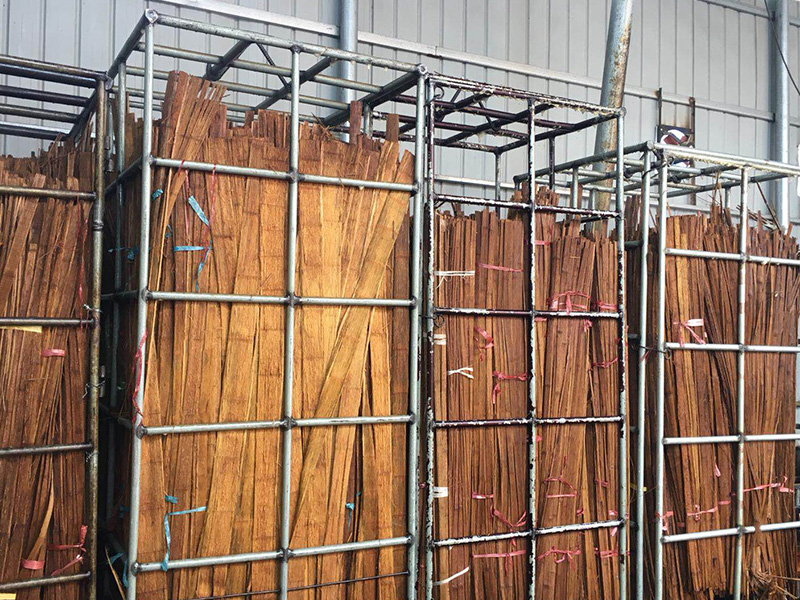 7. Resin Saturation |
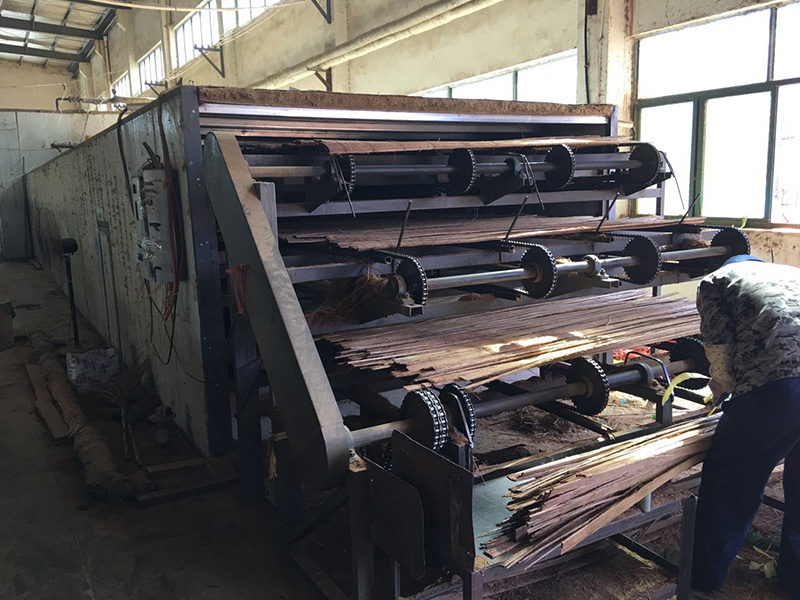 8. Tunnel Drying |
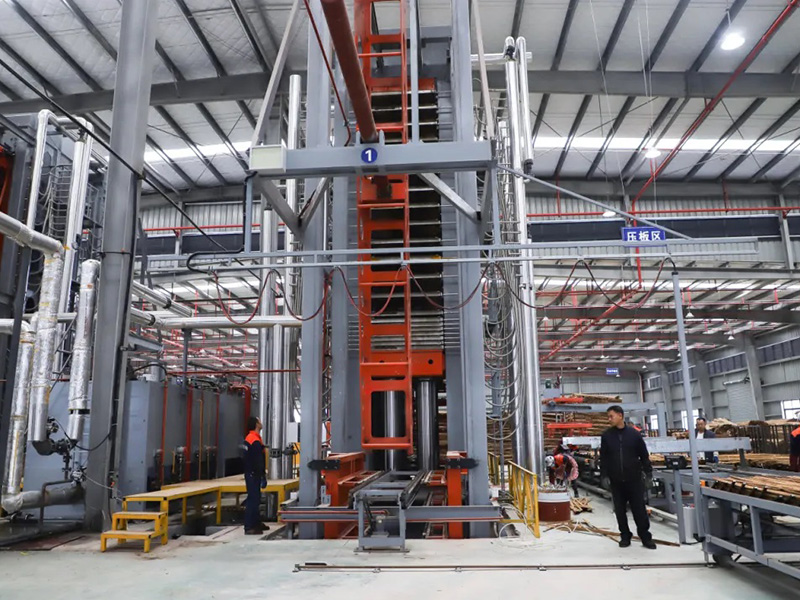 9. 2500-Ton Hydraulic Press |
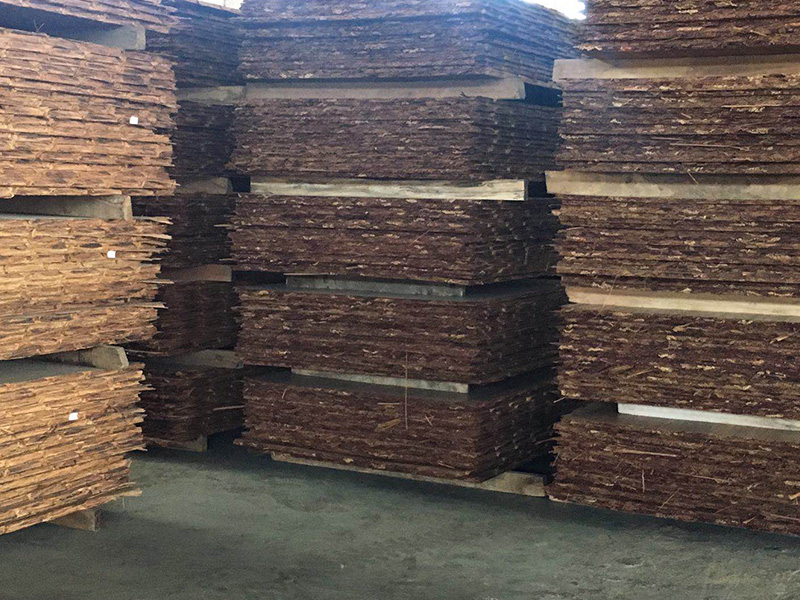 10. Solid Strand Block |
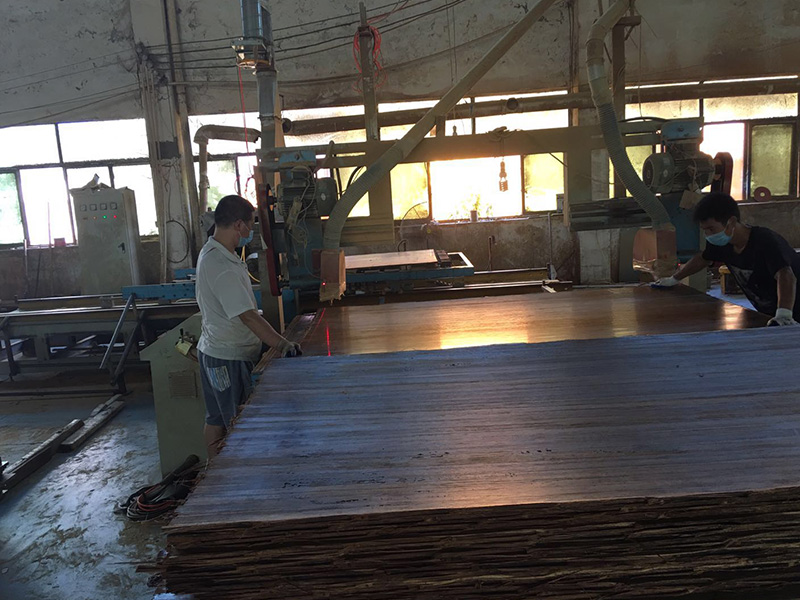 11. Slicing into Planks |
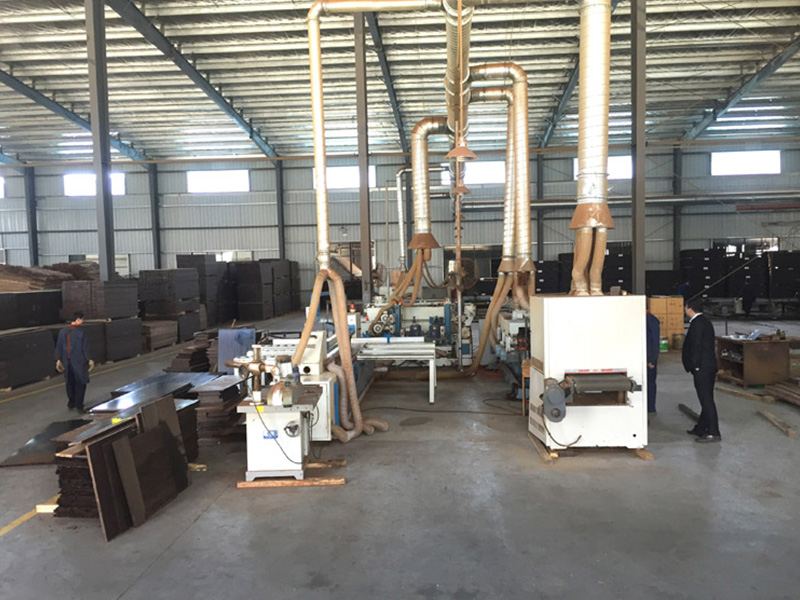 12. Edge Milling & Profiling |
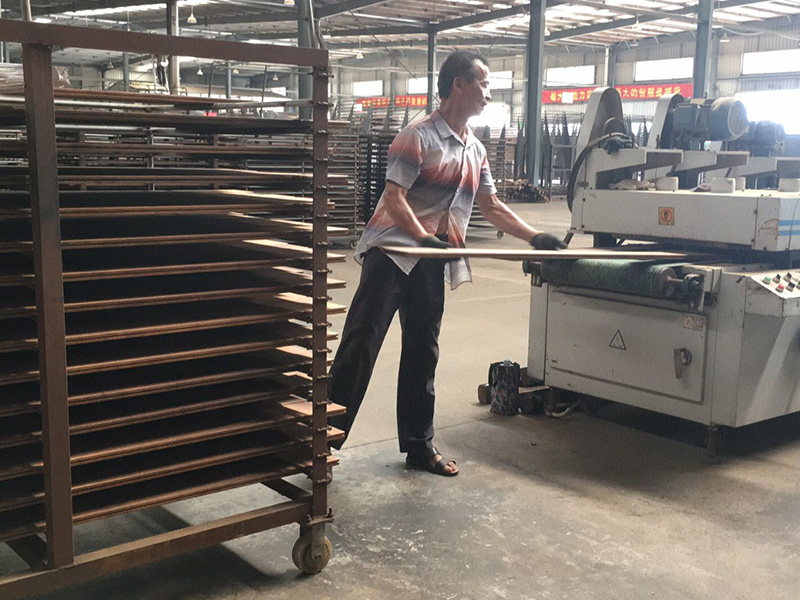 13. Protective Oil Finish |
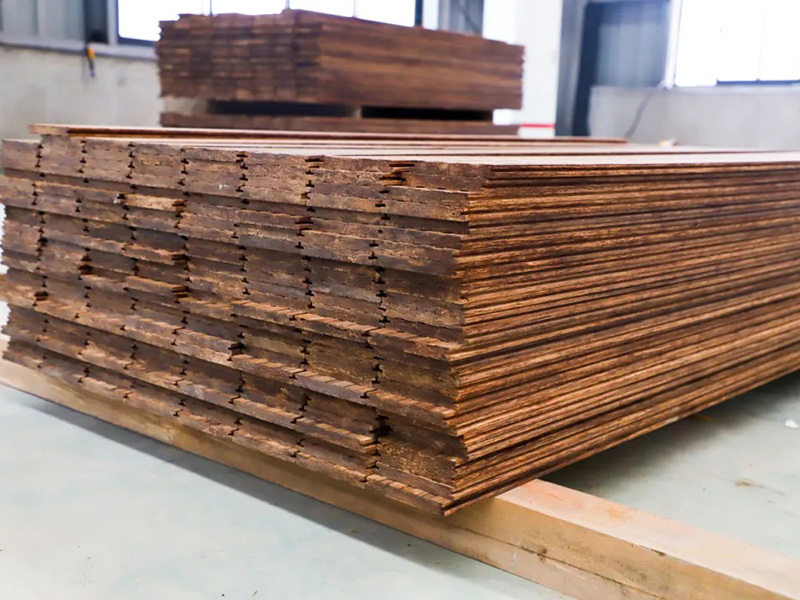 14. Final Quality Inspection |
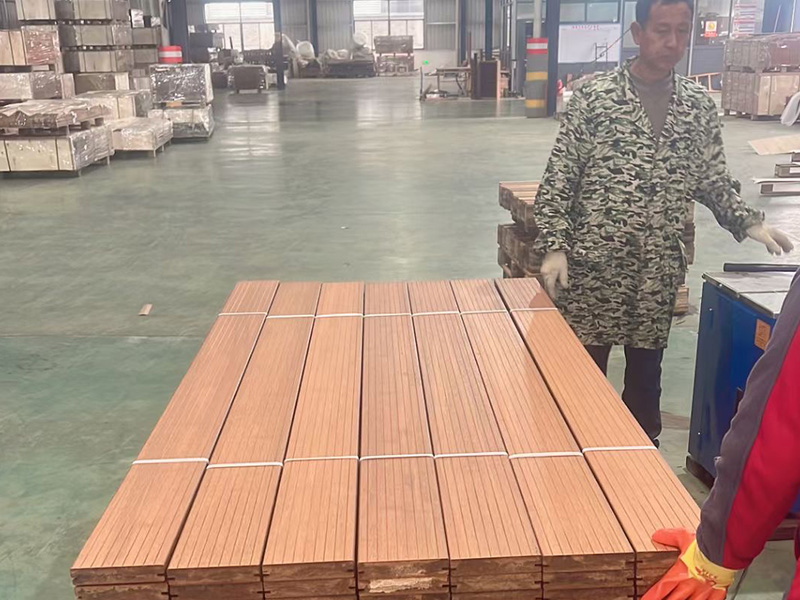 15. Bundling & Palletizing |
This precise sequence ensures every strand woven bamboo board achieves optimal hardness, density, and weather durability.
Color Choices for Outdoor Bamboo Decking
Color is usually the first decision homeowners make. The five standard finishes range from a pale honey to a deep near-black, and each one changes the mood of the space.
| Color Option A | Color Option B |
|---|---|
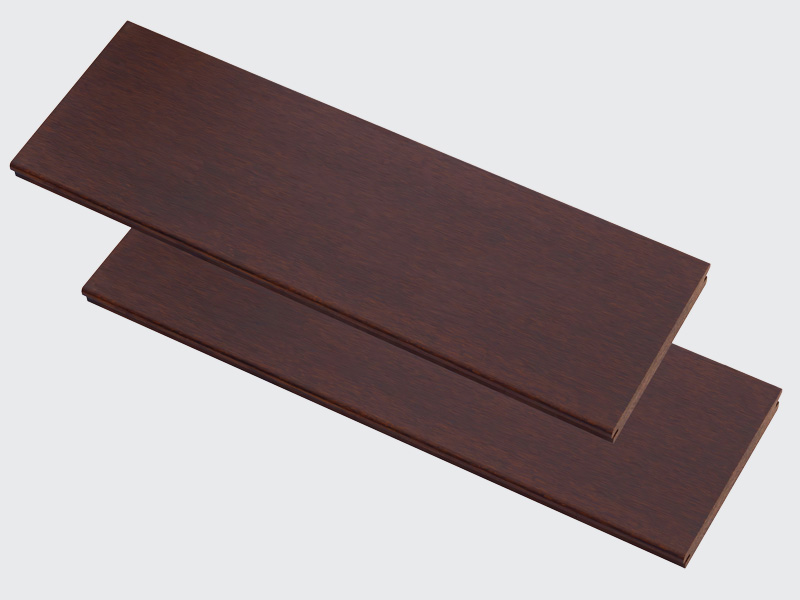 Natural Honey |
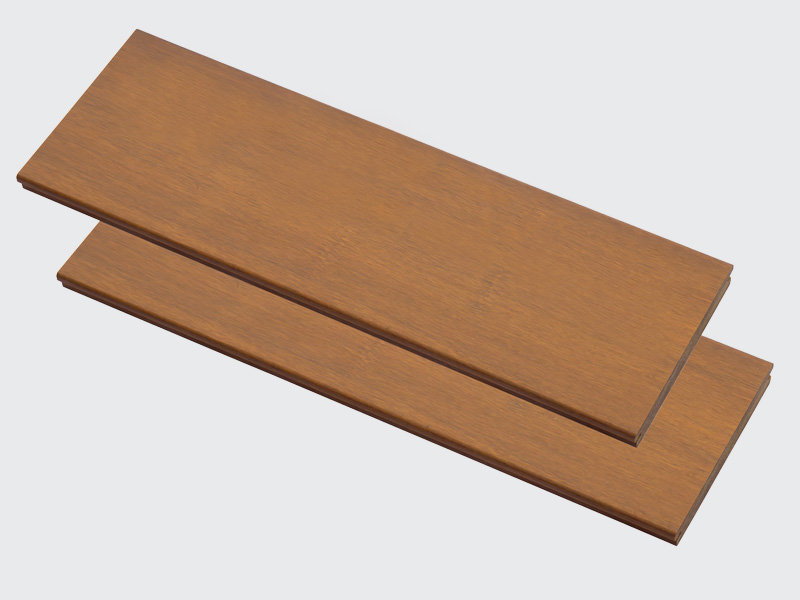 Caramel |
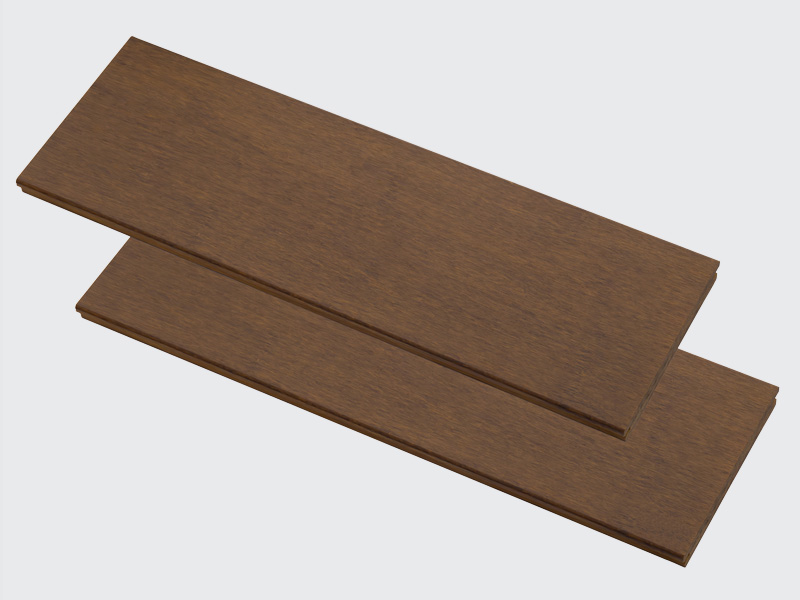 Teak |
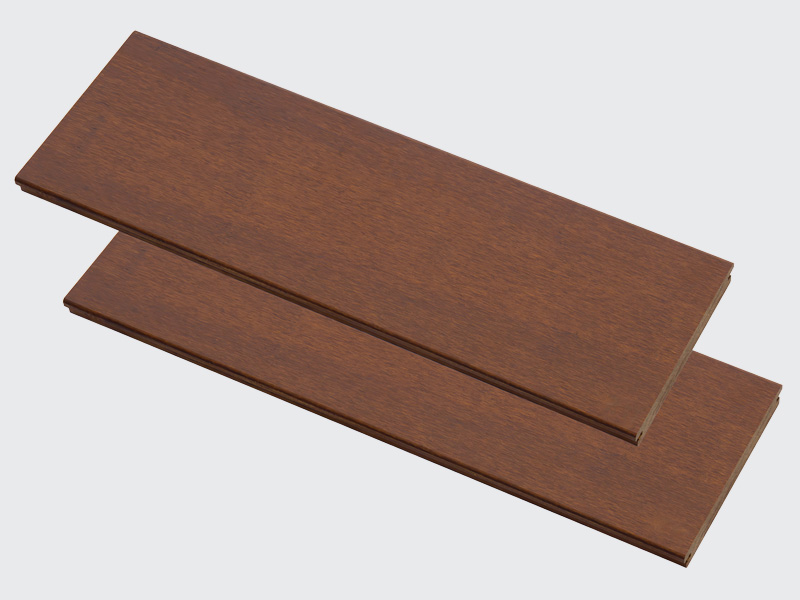 Walnut |
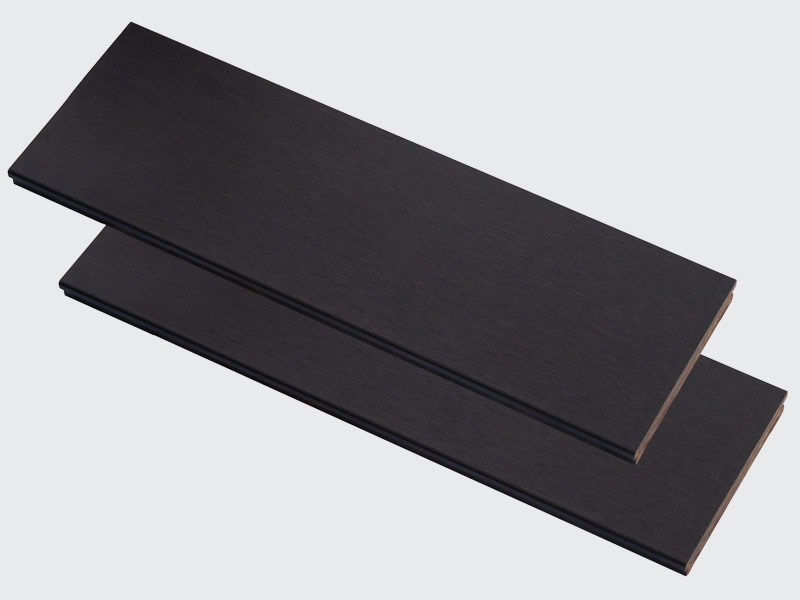 Ebony / Black |
Keep in mind that all outdoor decking changes over time. Even with UV-protective oil, sun exposure will gradually lighten and grey the surface. The change is part of the natural aging process and can be refreshed with a light sanding and a fresh coat of oil.
Surface Textures and What They Mean for Your Deck
Texture affects how the deck feels under bare feet, how much grip it offers when wet, and how scratches disappear into the grain.
| Texture Style A | Texture Style B |
|---|---|
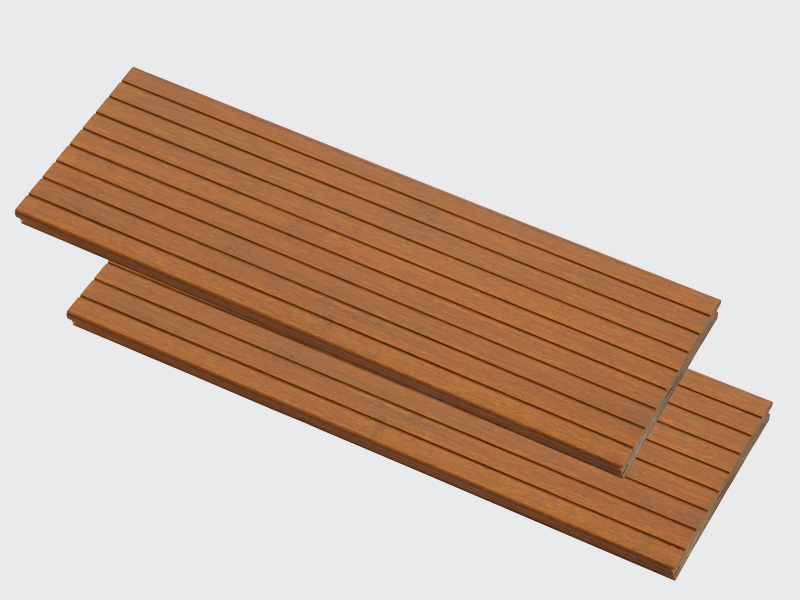 Fine Grooved |
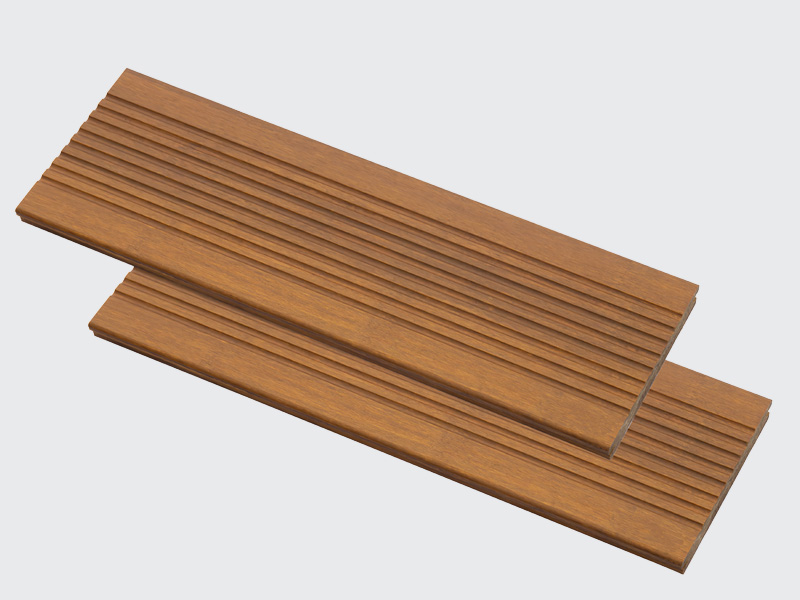 Wide Grooved |
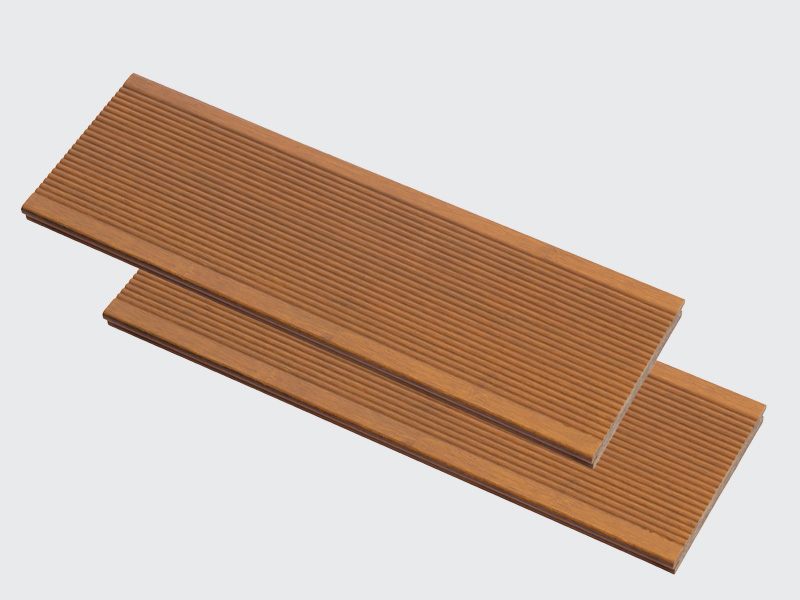 Brushed |
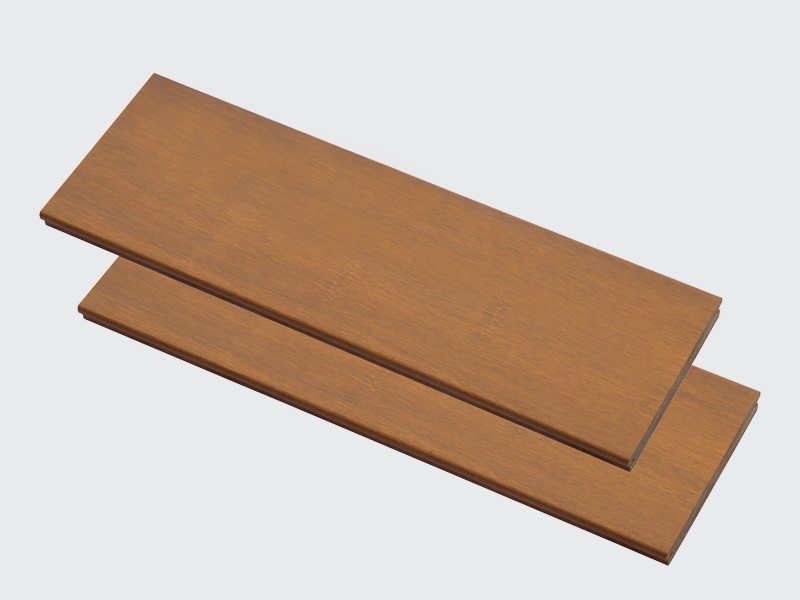 Smooth |
Most projects combine one color and one texture, but there is no rule against using different textures for different zones. A pool surround might use a fine grooved face, while a covered dining area uses the smooth face in the same color.
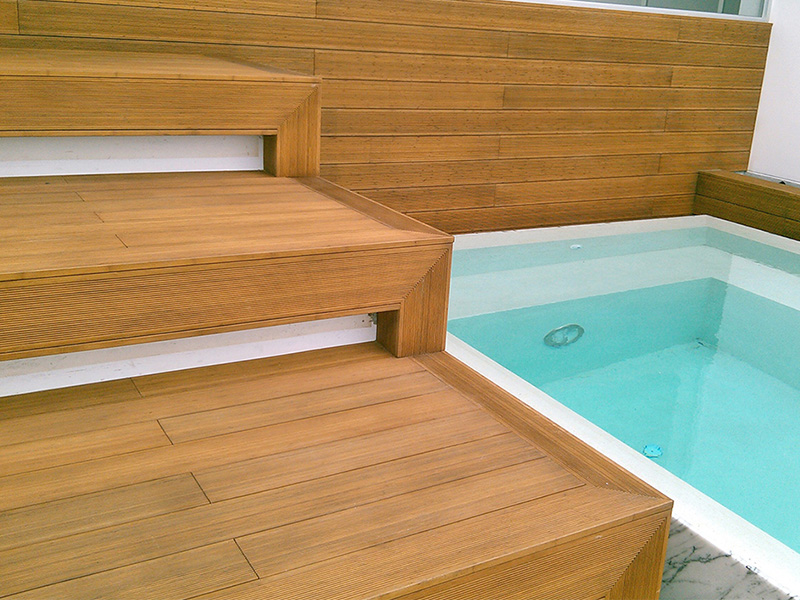
Weathering & Pool Surround Guidelines: Over time, outdoor bamboo decking naturally weathers from sun, rain, and frost. Boards typically shift from a rich medium or dark brown when freshly installed to a lighter caramel tone after a few weeks, and over roughly eighteen months they take on a soft silvery-grey patina. Minor surface checking or small splinters can appear through wet-dry cycles, which is normal for any dense natural material used outside. Around pool surrounds, plan for more frequent oiling to reduce splinter formation, and use fine sandpaper or a steel brush between coats to keep the surface smooth.
Maintenance & Cleaning: Re-apply exterior oil one to two times a year depending on sun exposure, and use the simple water-bead test to judge timing: if water stops beading on the surface, it is time for another coat. Before re-oiling, clean dirt and light surface splinters using a fine steel brush or sandpaper, wash down with clean water and a neutral cleaner, and allow the deck to dry thoroughly for 24 hours. Always apply oil under dry conditions, avoid direct hot sunlight, wipe off excess oil within 5 to 10 minutes, and allow 24 to 48 hours of cure time protected from rain. Keep the deck free of leaves and dirt between treatments, because organic debris holds moisture against the surface and shortens the life of the finish.