Bamboo Harvesting and Forest Conservation: The Green Truth About How Bamboo Helps Save the World's Forests

Bamboo is often described as one of the most promising renewable materials on the planet. That description is attractive, but it needs a closer look. Bamboo does not automatically protect forests simply because it grows quickly. Its real environmental value depends on where it is grown, how it is harvested, how the land is managed, what materials it replaces, and how long the finished product remains in use.
When those conditions are handled responsibly, bamboo harvesting can help reduce pressure on natural forests. It can supply material for flooring, panels, furniture, packaging, household products, construction components, and commercial interiors without requiring the same harvesting cycle as many slow-growing timber species. Because many bamboo plants regenerate from an established underground rhizome system, harvesting mature culms does not require clearing the entire stand and planting a new crop each year.
That difference creates an important conservation opportunity. A well-managed bamboo plantation or community forest can provide a recurring source of income and material while leaving the soil, root network, and surrounding vegetation in place. The goal is not to claim that bamboo replaces every forest product. The goal is to understand where bamboo can carry part of the demand that would otherwise fall on natural timber resources.
The Short Answer: How Can Bamboo Help Protect Forests?
Responsible bamboo harvesting can help protect forests by providing a rapidly renewable material, creating income from managed land, supporting local livelihoods, reducing demand for selected timber products, and encouraging productive use of degraded or underused areas.
The strongest benefits appear when bamboo is harvested from suitable land, the stand is maintained without damaging soil and waterways, native ecosystems are protected, and finished products are durable enough to remain in service for many years. Poorly managed bamboo production can create its own problems, including invasive spread, habitat loss, excessive chemical use, weak labor practices, and long-distance transport impacts.
The green truth is therefore more useful than a simple slogan: bamboo is a conservation tool when management is responsible and the full supply chain is transparent.
Why the Source of Bamboo Matters
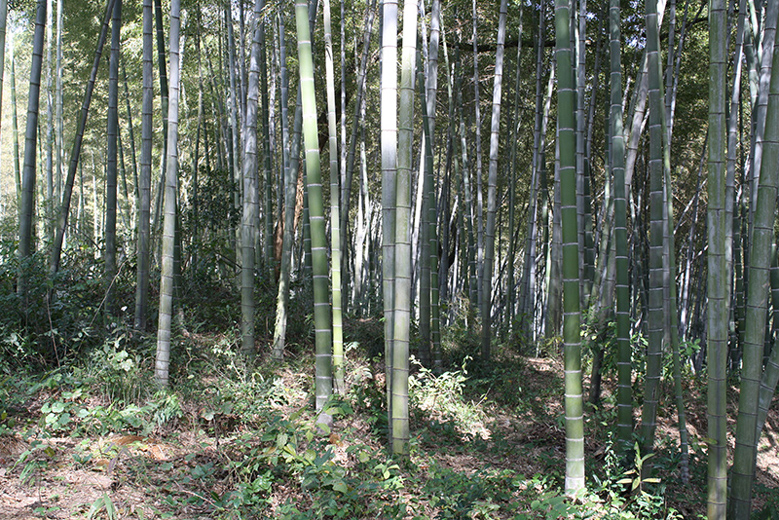
The word bamboo describes a large group of grasses with different growth habits, climates, sizes, and ecological roles. Some species grow in compact clumps, while others spread through underground rhizomes. Some are naturally found in forest margins and valleys, while others are cultivated in managed plantations or agricultural landscapes.
This variation matters because the environmental result depends on the original land use. Bamboo grown on previously cleared farmland is different from bamboo planted after natural forest has been removed. Bamboo harvested from a community-managed stand is different from material taken without a long-term regeneration plan.
A responsible supplier should be able to explain the general source region, species or material type, harvesting method, processing location, and chain of custody. Buyers do not always need a complicated document package for every small purchase, but commercial projects should be able to verify that the material is not linked to illegal clearing or destructive land conversion.
Source transparency also helps manufacturers plan quality. Bamboo maturity, moisture content, culm diameter, fiber density, and harvest season all affect the performance of flooring, panels, furniture boards, and other products. Environmental responsibility and product reliability often begin with the same question: where did the raw material come from?
Bamboo Regrows Differently from Trees
A tree is usually harvested by cutting through the main trunk. A new tree must then grow from a seed, a planted sapling, or a remaining root system. The time required to produce usable timber varies widely by species and growing conditions.
Many bamboo species work differently. The visible culms rise from an underground rhizome network. Once a mature culm is harvested, the rhizome can continue producing new shoots when the stand has enough water, nutrients, and space. The remaining root system helps hold the soil and supports future growth.
This does not mean bamboo can be cut without limits. A stand needs mature culms to maintain structure and productivity. Harvesting too aggressively can weaken the stand, reduce future yields, disturb wildlife, and create management costs. Responsible harvesting usually removes selected mature culms while leaving younger growth in place.
The regrowth pattern gives bamboo a useful advantage as a managed material. It can produce repeated harvests from the same land without the need to clear and replant after each cycle. The environmental benefit becomes stronger when harvesting is combined with soil care, water protection, and a realistic rotation plan.
How Bamboo Can Reduce Pressure on Timber Forests
Forests supply more than building material. They provide habitat, store carbon, regulate water, protect soil, and support communities. When demand for timber rises, natural forests can face increasing pressure, especially where management systems are weak or illegal harvesting is difficult to control.
Bamboo can absorb part of the demand for products that do not require a specific hardwood species. Flooring, wall panels, worktops, furniture components, room dividers, serving products, packaging, and many household items can be produced from engineered bamboo. In these applications, the material can offer a warm appearance, useful strength, and consistent processing characteristics.
A bamboo product does not automatically represent a direct one-to-one replacement for a tree-based product. The choice depends on design, engineering, availability, price, performance, and customer expectations. Even so, a larger market for durable bamboo products creates more opportunities to use bamboo where an imported or slow-growing timber species might otherwise be selected.
Substitution works best when the finished product performs well. A short-lived bamboo item that needs early replacement may create more material demand than a durable product that remains in use for decades. Product design, surface protection, repairability, and maintenance are therefore part of the forest conservation discussion.
Bamboo Farming and Rural Livelihoods
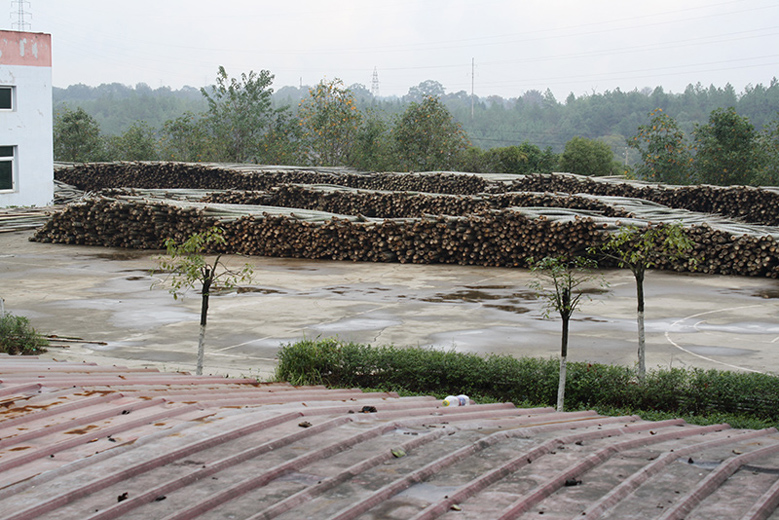
Bamboo can create economic value in rural regions where farming income is limited or seasonal. A managed bamboo stand may provide culms for local construction, food products from selected shoots, handicrafts, furniture, flooring, panels, and other industries. Processing facilities can create additional employment near the growing area.
Stable income can reduce pressure on natural forests when communities have legal and profitable alternatives to uncontrolled timber extraction. Farmers and land managers are more likely to maintain a productive stand when they can see a reliable return from it. Local processing can also keep more value in the producing region rather than sending raw material away with limited benefit to local workers.
The social side must be handled carefully. A responsible bamboo supply chain should consider land rights, worker safety, fair compensation, community access, and the interests of people who depend on the land for food, water, grazing, or cultural use. A project cannot be called sustainable if its material is renewable but its labor and land practices are harmful.
For manufacturers, long-term supplier relationships can support better harvesting standards. Predictable orders allow growers to plan maintenance and harvesting instead of cutting only when urgent cash is needed. Consistent purchasing can also support training, equipment upgrades, and local quality control.
Bamboo on Degraded and Underused Land
Bamboo may be suitable for certain degraded, eroded, or underused areas, provided the species and planting method match local conditions. Its root network can help stabilize soil, reduce erosion, and improve ground cover. This can be useful near slopes, abandoned farmland, river margins, and areas affected by previous land use.
Site selection remains essential. Planting bamboo in the wrong location can disrupt grasslands, wetlands, open habitats, or native plant communities. Some spreading species may move beyond the original planting area if they are not managed. A project should assess water availability, soil condition, nearby ecosystems, fire risk, and the behavior of the selected species.
The strongest land restoration projects use bamboo as one part of a broader ecological plan rather than as a universal answer. Mixed planting, native vegetation, buffer zones, and long-term monitoring can help protect biodiversity while still producing useful material.
Bamboo and Carbon Storage
Growing plants remove carbon dioxide from the atmosphere through photosynthesis. Bamboo stands store carbon in above-ground culms, leaves, roots, rhizomes, and soil. Harvested bamboo products can continue to hold part of that carbon while they remain in service.
The climate value depends on the full life cycle. Transport, drying, adhesive production, surface coatings, factory energy, packaging, and disposal all contribute to the product’s overall footprint. A locally processed, durable bamboo panel may have a different profile from a low-cost disposable product shipped across multiple continents.
Long-lived products generally provide a stronger material benefit than items designed for a short use period. Flooring, wall panels, structural components, furniture, and durable household goods can keep bamboo in service for many years. At the end of use, recovery, reuse, recycling, or responsible disposal becomes part of the environmental accounting.
Carbon claims should be specific and modest. Bamboo is not a substitute for protecting existing natural forests, restoring native ecosystems, or reducing fossil fuel use. It is one renewable material that can contribute to a broader climate and resource strategy when its supply chain is managed well.
The Difference Between Bamboo Products
Not every bamboo product has the same environmental profile. A solid or laminated bamboo floor, a compressed structural board, a decorative panel, a disposable utensil, and a bamboo-fiber composite item use different processing methods and additives.
Engineered bamboo products often rely on adhesives to hold strips or fibers together. The adhesive system affects indoor air quality, durability, processing emissions, and end-of-life options. Buyers should review formaldehyde emissions, volatile organic compound requirements, surface coatings, and the intended application.
Bamboo-fiber composites may include resins or polymers that improve strength and molding performance. They can be useful for particular designs, but the presence of a binder affects recyclability and compostability. Clear product labeling helps buyers understand what they are purchasing instead of assuming that every item labeled bamboo is made in the same way.
A responsible manufacturer should explain the material structure, not just promote the raw material story. Product performance and environmental communication become more credible when the construction is easy to understand.
Why Product Longevity Matters More Than Material Slogans
Replacing a short-lived product several times can require more raw material, energy, packaging, and shipping than using one well-made product for a long period. This is why durability is part of sustainability.
Bamboo flooring that withstands regular foot traffic, bamboo panels that remain stable in commercial interiors, and bamboo furniture that can be repaired all provide greater value than products that look natural but fail early. The finish, edge construction, fasteners, moisture control, and maintenance instructions all influence service life.
Manufacturers can support longer use by offering replacement parts, repair guidance, compatible finishes, and clear care information. Designers can support longer use by specifying products for the actual environment rather than choosing a material only for a visual sample. Owners can support longer use by following maintenance instructions and repairing small issues before they spread.
A durable product keeps material in circulation and reduces the need for frequent replacement. That practical benefit often matters more than a broad environmental claim printed on the packaging.
Responsible Bamboo Harvesting Practices
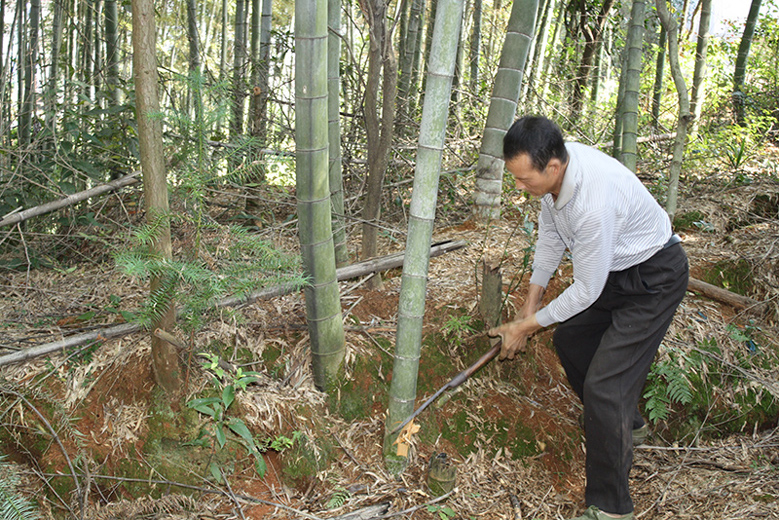
Responsible harvesting begins with a management plan. The plan should identify mature culms, protect young growth, maintain stand density, and prevent unnecessary damage to the rhizome system. Workers need safe access, suitable tools, and training in selective cutting.
Harvesting should avoid damaging stream banks, steep slopes, nesting areas, and sensitive vegetation. Access routes should be planned to reduce soil compaction and erosion. After harvest, the stand should be inspected for disease, overcrowding, storm damage, and areas that need maintenance.
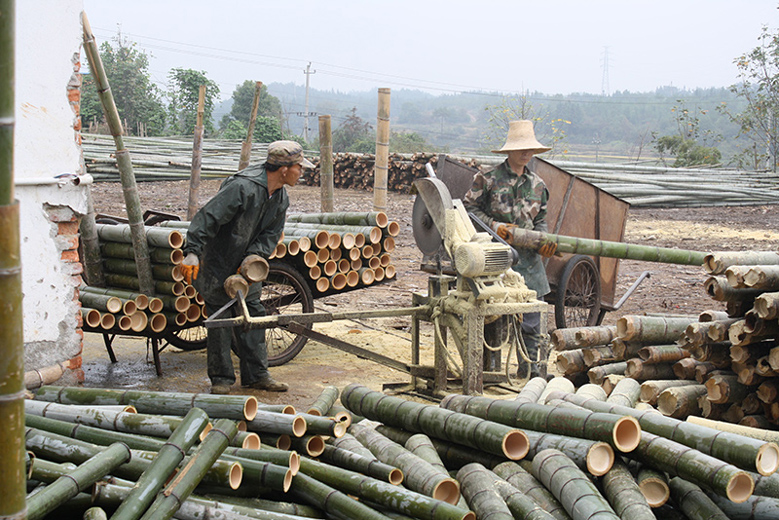
The timing of harvest can affect material quality. Mature culms generally provide better fiber development and more stable material than very young culms. Proper storage and rapid movement to the processing facility help reduce staining, insect damage, and moisture problems.
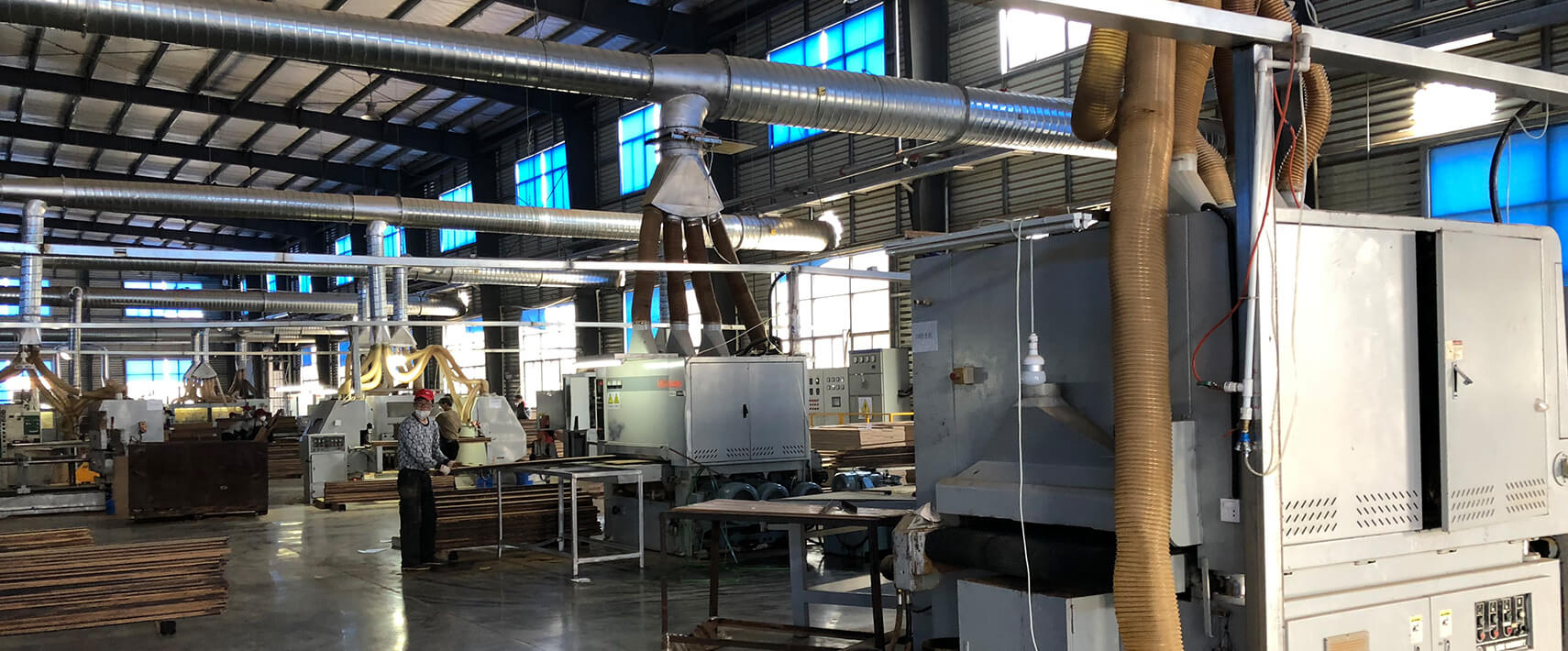
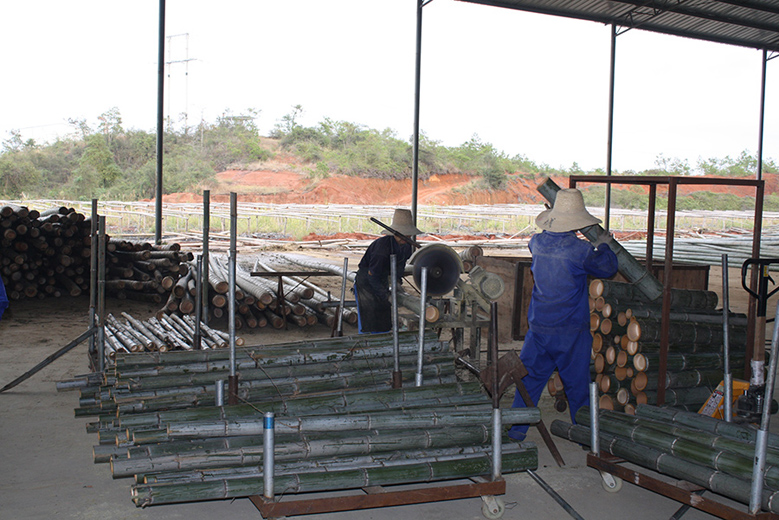
Processing facilities also influence the environmental result. Efficient drying, responsible adhesive use, optimized cutting, reduced waste, and proper handling of dust and wastewater can improve the overall performance of the supply chain. Bamboo offcuts may be used for smaller products, fuel, particleboard, or other applications instead of being discarded.
Certifications and Supply Chain Transparency
Certifications can help buyers evaluate claims, but a certificate is only one part of due diligence. The relevant program depends on the market, product type, material source, and customer requirements. Some buyers may request chain-of-custody documentation, environmental management information, social compliance records, or product emissions testing.
A transparent manufacturer should be able to explain which documents apply to the product and which claims the documents support. Buyers should be cautious when a supplier uses broad environmental language without describing the source, material construction, or production process.
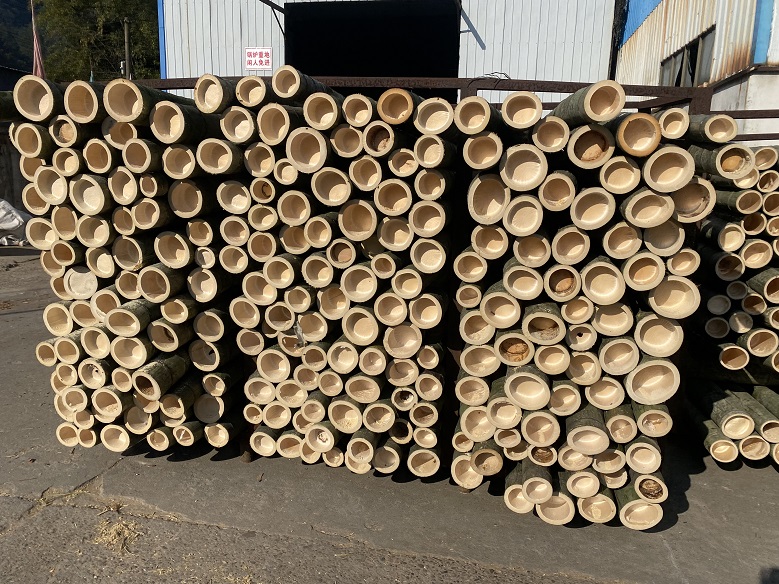
Traceability is especially important for large projects. Flooring, wall panels, furniture boards, and construction materials may be purchased in substantial quantities, and the project team may need to confirm consistency across batches. Clear labeling and retained production records make quality control and future replacement easier.
The best communication avoids exaggerated promises. Responsible bamboo is a strong story on its own when the company can explain the origin, process, performance, and limits of the product.
What Buyers Should Ask a Bamboo Supplier
A professional buyer can begin with a practical set of questions:
Where is the bamboo grown, and what type of land is used?
How old are the culms when they are harvested?
Is the material selectively harvested or cleared in large areas?
How are the bamboo strips or fibers dried and treated?
What adhesives, coatings, and preservatives are used?
What is the expected service life in the intended application?
Can the product be repaired, refinished, reused, or responsibly disposed of?
What testing and quality documents are available?
How are workers, communities, soil, waterways, and nearby habitats protected?
These questions do not need to turn every purchase into a lengthy audit. They create a useful standard for comparing suppliers and separating specific information from generic green marketing.
Where Bamboo Fits in Forest Conservation
Bamboo should not be presented as a replacement for natural forests. Natural forests contain complex communities of trees, plants, fungi, animals, and microorganisms that a commercial bamboo stand cannot reproduce. Protecting those forests remains a separate and essential responsibility.
Bamboo fits into forest conservation as a renewable material and a land-management opportunity. It can help meet demand for selected products, support rural income, stabilize suitable land, and create a reason to manage productive landscapes over long periods. Those benefits are strongest when bamboo production avoids forest clearance and respects local ecosystems.
The material also encourages a broader conversation about consumption. If buyers choose durable products, maintain them properly, and replace only when necessary, the demand for raw materials can be managed more effectively. Bamboo becomes most useful when it is part of a circular approach that values long service life, repair, efficient processing, and responsible end-of-life handling.
Frequently Asked Questions About Bamboo and Forests
Does harvesting bamboo kill the plant?
Selective harvesting usually removes mature culms while leaving the underground rhizome system and younger growth in place. The stand can produce new shoots when it is managed within its ecological limits.
Is bamboo automatically more sustainable than wood?
No. Bamboo can be a highly renewable material, but sustainability depends on land conversion, harvesting, processing, transport, additives, product life, and end-of-life handling. Responsible wood from well-managed forests can also be a sound choice.
Can bamboo plantations replace natural forests?
No. Plantations and natural forests provide different ecological functions. Bamboo production should avoid clearing native forests and should be planned around soil, water, biodiversity, and community needs.
Does bamboo help reduce deforestation?
It can reduce pressure on selected timber resources when durable bamboo products replace some products that would otherwise require timber. The effect depends on the market, the source, and whether the bamboo supply chain is genuinely responsible.
Is bamboo suitable for long-lasting products?
Yes. Properly engineered and finished bamboo can be used for flooring, wall panels, furniture, stair components, structural boards, and other durable products. The design must match the intended environment and maintenance conditions.
The Green Truth About Bamboo Harvesting
Bamboo harvesting can support forest conservation, but the benefit is not created by the word bamboo alone. It comes from a connected set of decisions: protecting natural forests, selecting suitable land, harvesting mature culms carefully, maintaining the stand, respecting local communities, processing efficiently, and manufacturing products that remain useful for many years.
A responsible bamboo industry gives growers an income without requiring repeated clearing, gives manufacturers a renewable material with broad applications, and gives buyers an alternative to selected timber products. It also creates a reason to discuss material origins, product durability, and supply chain accountability more honestly.
The strongest bamboo products are not marketed as magic solutions. They are made with clear sourcing information, practical performance data, careful manufacturing, and realistic environmental claims. When these standards are followed, harvesting bamboo can become part of a wider effort to reduce pressure on the world’s forests while supporting durable design and responsible resource use.