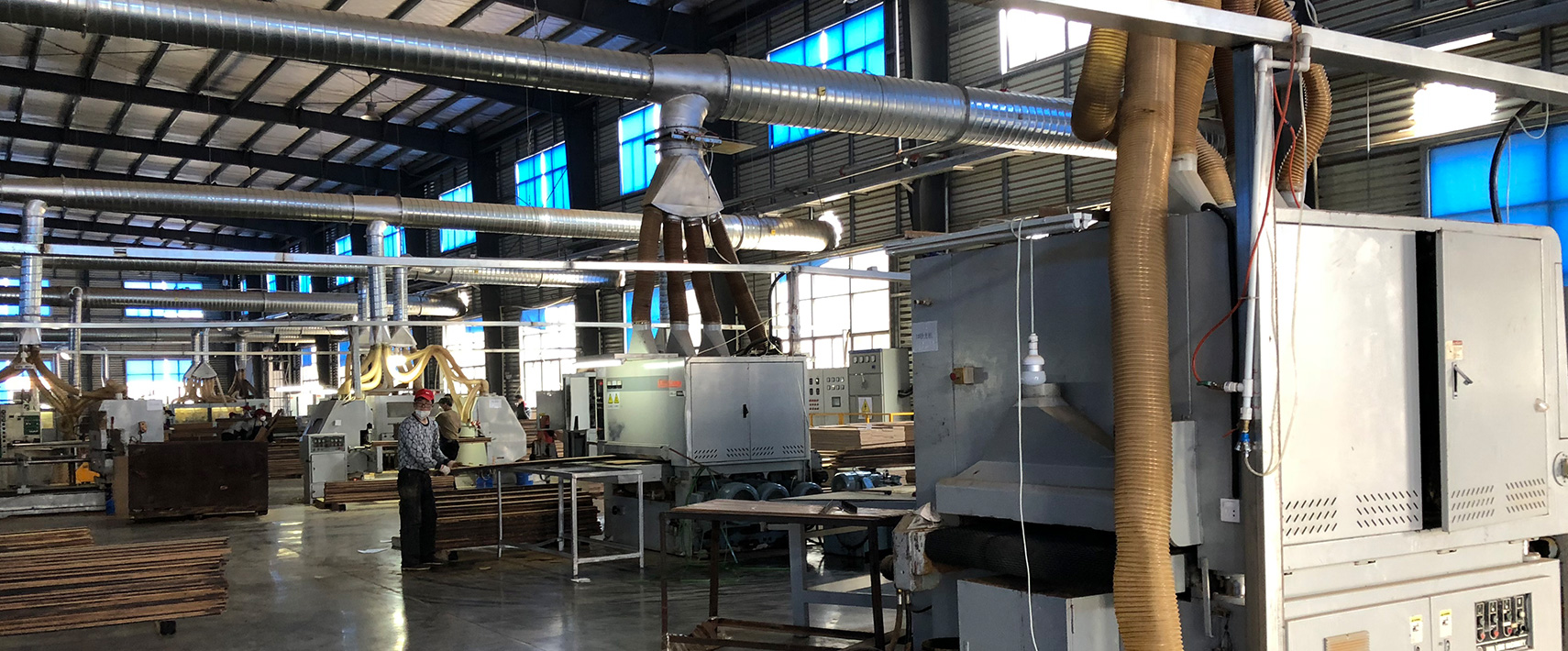
5 Stunning Outdoor Living Trends Featuring Fused Bamboo Decking

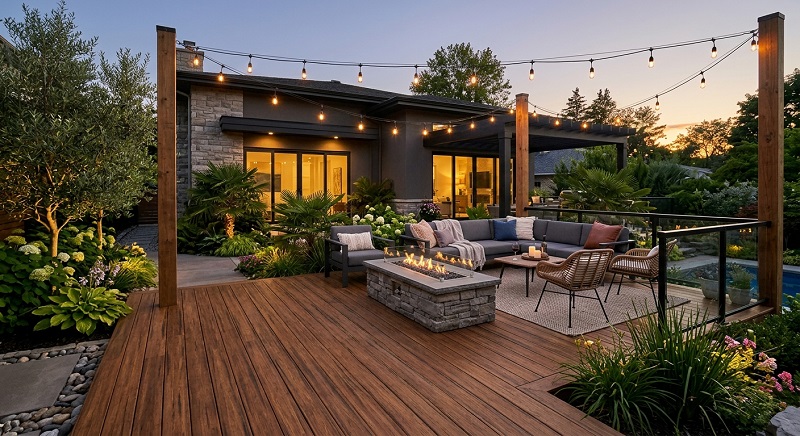
Homeowners and landscape designers are rethinking how exterior spaces should look, feel, and perform. Backyard design has shifted away from basic concrete slabs and high-maintenance softwoods toward refined, resilient materials that hold up against harsh weather while providing a warm, organic aesthetic. Among these materials, fused bamboo decking has emerged as a premier choice for contemporary builds and traditional renovations alike.
Through a specialized thermal condensation and intense compression process, raw bamboo fibers are converted into a dense, highly durable plank that rivals tropical hardwoods in strength, fire resistance, and dimensional stability. Its natural deep tones, consistent grain structure, and long-lasting performance make it an ideal foundation for modern outdoor living concepts.
Here are five stunning outdoor living trends that highlight the versatility and style of fused bamboo decking.
1. Seamless Indoor-Outdoor Flow
The boundary between indoor living rooms and outdoor patios continues to blur. Architectural designs increasingly prioritize continuous floor levels, wide sliding glass doors, and color-matched materials that allow open-plan interiors to extend directly onto exterior decks.
Fused bamboo decking excels in this application because of its exceptionally low expansion and contraction rates compared to conventional timber or plastic composites. When installed flush with interior hardwood floors, it creates an uninterrupted visual plane that expands the perceived square footage of a home.
Key Elements of the Indoor-Outdoor Transition
- Color Matching: Fused bamboo comes in rich espresso, warm mahogany, and deep caramel tones achieved through natural caramelization rather than topical stains. Finding an interior wood flooring finish that complements these undertones ensures a cohesive visual link.
- Flush Thresholds: Utilizing low-profile drainage channels at door tracks enables zero-step transitions, eliminating trip hazards and reinforcing the illusion of a single continuous space.
- Coordinated Furnishings: Carrying similar furniture silhouettes, textiles, and lighting fixtures from the interior lounge onto the bamboo deck ties the entire floor plan together naturally.
Because fused bamboo does not warp or cup easily when exposed to moisture changes, homeowners maintain flat, stable walkway thresholds for decades with routine maintenance.
2. Multi-Level Structural Zones
Flat, single-level yards can often feel expansive yet underutilized. Multi-level deck architecture solves this by breaking open air areas into distinct structural zones, each serving a clear functional purpose—such as dining, lounging around an open flame, or sunbathing.
Fused bamboo planks offer the structural integrity required for stepped framing, custom stair risers, and built-in perimeter benches. The material’s high density allows crisp, clean edge profiles and sharp miters that give multi-tiered structures a tailored finish.
Designing Effective Zones
- The Upper Deck: Positions immediate transition areas off the main house as primary dining spaces, close to the kitchen for effortless food prep and entertaining.
- Transition Steps: Uses wide, low-profile fused bamboo steps with integrated step lights to guide movement safely down to lower levels.
- The Lower Sanctuary: Features fire pits, sunken seating wells, or hot tubs on lower platforms nestled into surrounding garden landscapes for added privacy.
The structural density of fused bamboo supports heavy furniture loads, built-in planters, and perimeter railings without sagging over wide joist spans.
3. High-Performance Pool Decks and Wet Zones
Poolside environments present extreme challenges for building materials. Constant water exposure, splashing pool chemicals, UV rays, and bare feet require decking material that remains cool, slip-resistant, splice-free, and rot-proof.
Fused bamboo decking meets these demanding conditions exceptionally well. The intense thermal treatment eliminates the sugars and nutrients within natural bamboo that usually attract mold, decay, and insects. Furthermore, fused bamboo achieves high slip resistance ratings even when wet, providing a safe walking surface around pools, spas, and outdoor showers.
Advantages Around Water Features
- Splinter Resistance: Unlike softwoods or traditional composites that can flake, fiber-fused bamboo maintains a smooth surface texture that is gentle on bare feet.
- Dimensional Stability: Minimal moisture absorption means boards will not swell, buckle, or pop fasteners near pool edges.
- Natural Thermal Response: The dense bamboo structure dissipates surface heat efficiently under direct sun compared to dark synthetic composite decks, which often become uncomfortably hot.
Framing pool copings and water feature surrounds with rich dark bamboo creates a resort-style ambience that stands out against bright water tones and stone masonry.
4. Vertical Accents, Privacy Screens, and Cladding
Decking is no longer restricted to horizontal walkways. Designers are extending fused bamboo planks vertically to wrap exterior walls, create custom privacy screens, construct pergolas, and build matching outdoor cabinetry.
Applying the same bamboo material across both horizontal surfaces and vertical features creates unified architectural harmony. Vertical bamboo cladding provides natural warmth against dark metal framing, concrete, or light stucco exteriors.
Creative Vertical Applications
- Privacy Slats: Mounting narrow bamboo boards horizontally with small gaps allows breeze and light to pass through while screening off neighboring views.
- Outdoor Feature Walls: Wrapping a patio wall or outdoor kitchen base in fused bamboo brings depth and rich texture to blank architectural surfaces.
- Integrated Shading Structures: Crafting pergola rafters or privacy louvers from matching bamboo material helps tie overhead shading elements back to the main deck floor below.
The fire-resistant properties of fused bamboo (often achieving Class A fire ratings) make it an ideal choice for vertical cladding on homes located in wildland-urban interface zones or strict building code districts.
5. Low-Maintenance Natural Aesthetics
A growing number of property owners seek natural materials that develop gracefully over time without demanding endless weekend maintenance. Synthetic composite materials can fade unevenly under harsh sunlight and cannot be refinished, while softwoods require frequent sanding, sealing, and painting to prevent decay.
Fused bamboo offers a versatile middle ground. When exposed to weather, untreated fused bamboo gracefully oxidizes into a distinguished silver-gray patina, similar to teak or ipe. If the original deep brown color is preferred, a quick annual application of a penetrating exterior wood oil restores its original warmth effortlessly.
Maintenance Considerations for Longevity
- Patina Option: Allowing the deck to weather naturally yields a soft, low-maintenance silver sheen that requires only periodic washing with water and mild deck cleaner.
- Color Preservation: Applying a UV-inhibiting deck oil once a year locks in the rich dark caramelized tone.
- Easy Care: Routine sweeping to remove leaves and occasional power washing on a low-pressure setting keeps the surface looking fresh and debris-free.
This adaptability allows homeowners to choose the exact aesthetic path that fits their lifestyle and design vision.
Understanding Fused Bamboo Technology
To appreciate why fused bamboo performs so well across these outdoor living trends, it helps to understand how it is manufactured.
Standard raw bamboo is inherently fast-growing and renewable, but in its natural round pole form, it is vulnerable to moisture, fungi, and insect damage. The fusing process alters the material on a cellular level:
- Harvesting: Bamboo culms reach full maturity in five to seven years, ensuring a rapid regeneration cycle compared to decades for hardwood trees.
- Thermal Treatment: The raw bamboo is stripped into thin strands and heated to temperatures exceeding 200 degrees Celsius. This process caramelizes natural sugars, making the fibers completely unpalatable to insects and rot-causing organisms.
- Phenolic Compression: The treated strands are soaked in stable resins and compressed under thousands of tons of pressure into dense block billets.
- Milling: These dense billets are milled into precision deck boards featuring end-matched tongue-and-groove profiles for hidden fastener installations.
The resulting product possesses higher density and hardness ratings than most traditional hardwoods, ensuring high resistance to impacts, heel marks, and heavy furniture movement.
Installation Best Practices for Long-Term Durability
Realizing the full potential of fused bamboo decking requires proper installation techniques that respect airflow and drainage needs.
- Adequate Ventilation: Always maintain proper air circulation underneath the deck frame. A minimum clearance above ground soil prevents moisture trap issues and ensures thermal stability.
- Hidden Fasteners: Utilizing grooved boards alongside stainless steel hidden clip systems creates a clean surface line uninterrupted by exposed screw heads, enhancing safety and aesthetic appeal.
- End Sealing: Any field cuts made to bamboo planks during construction should be treated immediately with an end-grain sealer to prevent localized moisture absorption.
- Proper Pitching: Frame the deck structure with a subtle slope (roughly one-quarter inch per foot away from the main building) to guarantee rainwater drains off efficiently.
Choosing the Right Trend for Your Space
Whether upgrading an urban rooftop terrace, designing a coastal pool surround, or building a multi-tiered backyard retreat, fused bamboo decking delivers structural reliability and timeless appeal. By combining indoor-outdoor continuity, multi-level zoning, water-resistant pool surrounds, vertical cladding details, and adaptable maintenance options, you can create a custom exterior environment tailored to your lifestyle.
Investing in high-performance materials upfront pays off over decades of outdoor enjoyment, minimal repairs, and enduring architectural beauty.